What Are China’s Top Steel Supply Companies?
China’s steel supply industry is vast, competitive, and closely linked to construction, machinery, transport, and energy. A few major producers dominate national output, yet regional suppliers remain important for specialized grades and faster delivery. This article examines leading companies, including China Baowu Steel Group, HBIS Group, Ansteel Group, Shagang Group, and Jianlong Group.
Lakshmi Mittal, chairman of ArcelorMittal, has said, “Steel is the backbone of modern civilisation.” His observation explains why supplier selection requires more than comparing prices. Buyers should assess production capacity, product certification, delivery reliability, technical support, and environmental performance. A large mill may offer stable quality, while a regional distributor may provide shorter delivery times. Both can matter.
No list is perfect. Rankings change.
China’s steel market also includes state-owned enterprises, private mills, trading companies, and service centers. Their strengths are not identical. Baowu is known for its scale and broad product portfolio. Shagang has a strong private-sector presence and substantial long-product production. Ansteel and HBIS serve major industrial regions with diverse steel products. Still, company size does not guarantee the best purchasing result. A buyer ordering bridge plate needs different evidence than one purchasing reinforcing bar.
This guide will compare the main steel supply companies through practical criteria. It will consider product range, production scale, export experience, quality controls, and customer fit. Readers should verify current certifications and delivery terms before signing contracts. Market data can become outdated quickly. That limitation deserves attention, not concealment.
What China’s Steel Supply Companies Do
China’s steel supply companies connect mills, processors, builders, and overseas buyers. Their work starts with sourcing billets, slabs, coils, pipes, and specialty grades. They check chemical composition, dimensions, surface quality, and production certificates before shipment. This matters in a large market. The World Steel Association reported that China produced about 1.019 billion tonnes of crude steel in 2023, representing more than half of global output.
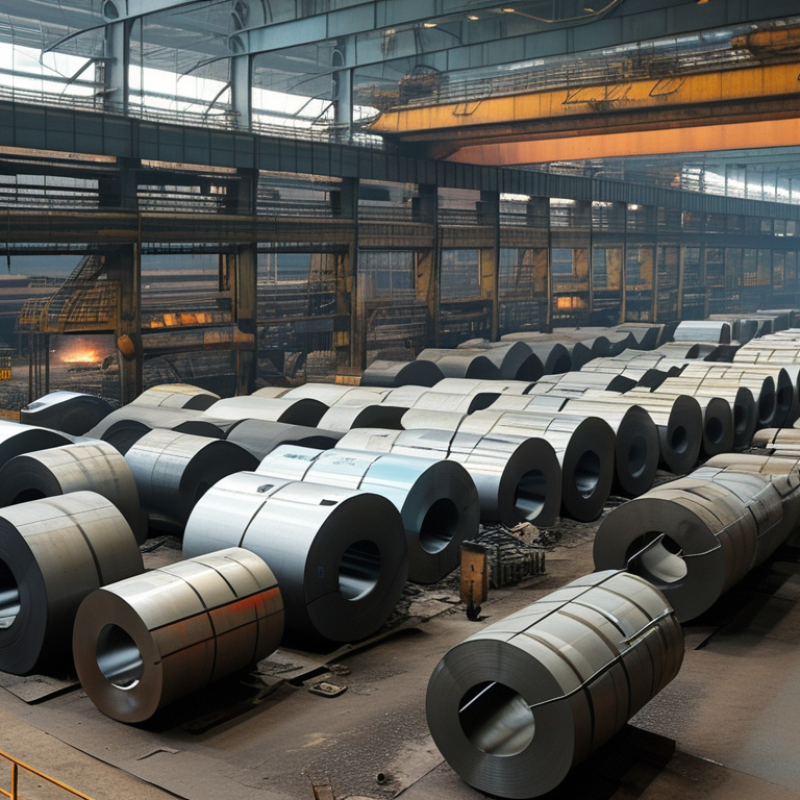
These companies also cut, bend, galvanize, weld, and package steel for specific projects. A warehouse may hold coils under covered storage, while workers measure thickness with digital gauges. Logistics teams arrange containers, port loading, insurance, and customs documents. They may also coordinate mill tests and independent inspections. However, supply chains are not flawless. Delivery delays, inconsistent packaging, and unclear tolerances still create costly disputes. OECD steel industry analysis continues to highlight excess capacity and uneven market conditions, so buyers need more than a low quotation.
Tips: Ask for a mill test certificate, batch number, production date, and dimensional tolerance. Confirm whether the quoted price includes processing, inland transport, packaging, and port charges. Request recent inspection records, but verify them independently. The best supplier is not always the cheapest. A small specification mistake can affect an entire construction schedule.
Sources: World Steel Association, World Steel in Figures 2024; OECD, Steel Market Developments, 2024.
How China’s Steel Supply Chain Is Organized
China’s steel supply chain is organized in layers, not around a single type of supplier. Integrated steel mills convert imported iron ore, domestic limestone, and coking coal into slabs, billets, and finished products. Electric arc furnace producers rely more heavily on recycled steel and regional scrap networks. According to World Steel Association’s World Steel in Figures 2024, China produced about 1.019 billion tonnes of crude steel in 2023, nearly 54% of global output.
Ports form the first major control point.
Bulk carriers unload iron ore, while railways and barges move materials toward inland plants. Large mills often serve construction, machinery, shipbuilding, and automobile manufacturers directly. Trading companies, processing centers, and regional warehouses then supply smaller buyers with cut-to-length plate, rebar, wire rod, and galvanized sheet. This layered structure reduces delivery distances and supports flexible order sizes.
The General Administration of Customs reported China exported about 90.3 million tonnes of steel products in 2023. That volume shows why export distributors remain important. Yet supply is not perfectly smooth. Freight costs, property demand, production controls, and raw-material prices can quickly change margins. The structure looks efficient. It is not flawless. Smaller buyers may still face uneven quality documentation, delayed dispatches, or limited traceability. Industry reports provide scale, but on-site verification remains necessary before selecting a supplier.
Main Types of Steel Suppliers in China
China’s steel supply base is not one market structure. It is a layered industrial network.
Integrated steelworks combine ironmaking, steelmaking, rolling, and finishing on one site. These suppliers suit large, repeat orders with strict grade requirements. World Steel Association data show China produced about 1.005 billion tonnes of crude steel in 2024. That scale supports broad product availability. Yet volume does not automatically prove stable quality.
Electric arc furnace mills form another important group. They melt mainly steel scrap and can respond faster to regional demand. Scrap chemistry matters. Smaller rolling mills buy semi-finished material, then produce rebar, wire rod, pipe, or sections. Specialized mills focus on stainless, alloy, or high-strength products. Trading houses and steel service centers add a different function. They purchase from mills, hold inventory, cut coils, and arrange shipment. China’s 2024 steel exports reached roughly 110.7 million tonnes, according to China Customs data reported by industry analysts. Exports can still hide differences in certification and processing depth.
Tips: Match the supplier type to the purchase. Ask for mill test certificates, heat numbers, production route, and recent inspection records. Check whether certificates cover the exact grade and thickness. An attractive quotation can create costly rework. Request a trial order. Then compare yield, surface finish, packaging, and delivery variance. Published data guide decisions, but shipment-level evidence remains essential.
Key Criteria for Comparing Steel Supply Companies
Comparing steel supply companies requires more than checking the lowest quotation. A reliable supplier should provide clear specifications, realistic lead times, and traceable quality records. Ask for mill certificates, heat numbers, chemical composition, mechanical test results, and dimensional tolerances. These documents should match the actual shipment, not a generic sample. Experience also matters. Suppliers familiar with construction, machinery, or energy projects can identify practical risks before production begins.
Evaluate production capacity, inspection procedures, packaging, and transport planning together. A supplier may offer excellent steel but struggle with repeated orders or urgent adjustments. Check how it handles nonconforming material, delayed shipments, and technical questions. Direct communication with an experienced engineer is often more useful than polished sales language. Independent audits and recognized quality certifications can support trust, but they should not replace your own verification. A perfect scorecard does not exist. I would still question unusually low prices, even when the paperwork looks complete.
Tips: Compare at least three written quotations using the same grade, size, tolerance, quantity, and delivery terms. Request recent test reports and confirm heat-number traceability. Clarify who pays for third-party inspection and how claims are resolved. Keep a simple comparison sheet. It exposes hidden differences. Allow space for uncertainty, because port congestion, raw-material changes, and design revisions can affect delivery. Reliability is measured over repeated orders, not one successful shipment.
What Are China’s Top Steel Supply Companies?
Key Criteria for Comparing Steel Supply Companies
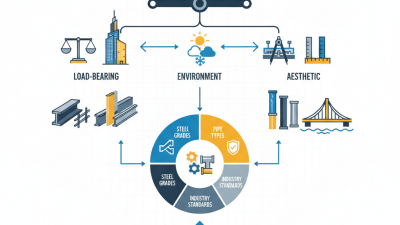
Production scale is an important starting point when evaluating steel supply markets, but buyers should also compare product range, quality certifications, delivery reliability, export capability, logistics coverage, pricing transparency, and after-sales support.
Data source: World Steel Association, 2023 crude steel production statistics. Values are shown in million metric tonnes.
How to Choose a Reliable Chinese Steel Supplier
What Are China’s Top Steel Supply Companies?
China remains central to global steel sourcing. The World Steel Association reported 1,019.1 million tonnes of Chinese crude steel production in 2023. However, production volume does not prove supplier reliability. A dependable Chinese steel supplier should match your required grade, dimensions, standards, and delivery schedule. Large output can still hide weak quality control.
How to Choose a Reliable Chinese Steel Supplier
Start with traceable documents. Request mill test certificates, heat numbers, chemical results, and mechanical test data for every batch. Confirm whether the supplier can meet ASTM, EN, JIS, or other project standards. ISO 9001 certification is useful, but it should not replace factory verification. The OECD’s steel market reports repeatedly highlight excess capacity and changing demand conditions. Therefore, buyers should examine real production capability, not only attractive quotations.
Numbers help. Stay skeptical.
Ask for recent production photos, loading records, and references from similar projects. An independent inspection before shipment can check thickness, surface defects, marking, packing, and quantity. Payment terms also deserve careful review. Extremely low prices may reflect thinner material, unclear specifications, or unstable sourcing. I have found that a detailed contract prevents more disputes than a friendly sales call. Still, no checklist is perfect. Recheck certificates, clarify tolerances, and keep written approval for every specification change. A reliable supplier communicates problems early, even when the news is inconvenient.