Top 10 Quality Metal Suppliers for Global Buyers?
Global buyers need more than a low quotation when choosing a quality metal supplier. They need dependable chemistry, stable dimensions, clear documentation, and predictable delivery. A polished website proves little. Production records matter more.
This guide examines ten quality metal suppliers serving international markets. It considers alloy range, manufacturing capacity, inspection systems, certifications, export experience, and customer support. It also looks at practical details, such as mill test certificates, heat numbers, surface finish, packaging, and shipment tracking. These details become important when a coil arrives with damaged edges or a batch fails hardness testing.
W. Edwards Deming, a leading quality-management expert, stated, “Quality comes not from inspection, but from the improvement of the production process.” His principle remains highly relevant to metal procurement. Strong suppliers control quality during melting, rolling, forming, machining, and final inspection. They do not depend only on sorting defective products later.
Supplier rankings can guide decisions, but they cannot replace due diligence. A buyer should verify certifications directly and request recent test reports. Factory audits may reveal capacity limits that brochures hide. Delivery performance can also change with market conditions, port congestion, or raw-material shortages.
No shortlist is perfect. That deserves honest recognition. A supplier with excellent steel may lack local inventory. Another may offer fast delivery but limited alloy options. The best choice depends on application, volume, tolerance, and risk. This review offers a practical starting point for buyers seeking reliable quality metal partners worldwide.

What Defines a Quality Metal Supplier for Global Buyers
A quality metal supplier gives global buyers more than competitive pricing. It provides repeatable chemistry, verified dimensions, and reliable delivery evidence. The World Steel Association reported approximately 1.88 billion tonnes of crude steel production worldwide in 2024. Such scale makes supplier consistency difficult, especially across different mills, ports, and inspection systems. Buyers should request mill certificates, heat numbers, test methods, and retained samples. ISO 9001 certification can support process control, but it is not proof of every product’s quality.
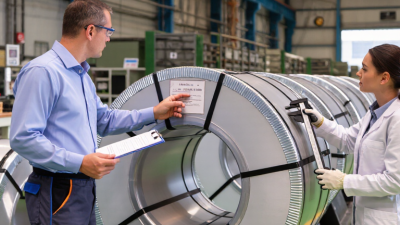
Traceability is equally important. A dependable supplier can connect each coil, plate, bar, or tube to its production batch. Independent inspection should confirm tensile strength, hardness, surface condition, and chemical composition. The OECD’s 2024 steel outlook warned that global excess capacity could exceed 600 million tonnes by 2026. This pressure may encourage aggressive pricing, but unusually low prices deserve careful review. A supplier with clear lead times, realistic tolerances, and documented corrective actions is usually safer than one offering perfect promises.
Tips: Ask for a recent anonymized inspection report. Compare certificate values with independent test results. Check whether packaging protects edges during ocean transport. Confirm the supplier’s response time for nonconforming goods. Also examine payment terms and contingency plans. No supplier is flawless. However, honest limitations are often more reliable than polished claims. Critical buyers should review performance after every shipment, not only during the first order.
Top 10 Quality Metal Suppliers for Global Buyers
What Defines a Quality Metal Supplier for Global Buyers?
This buyer evaluation framework uses a 100-point weighting model. Certification, traceability, product consistency, delivery reliability, and compliance are key indicators to verify when comparing metal suppliers. The scores represent recommended evaluation weights, not company rankings or market-share data.
How the Top 10 Metal Suppliers Are Selected and Evaluated
Selecting the top 10 metal suppliers requires more than comparing annual output. The World Steel Association reported global crude steel production of about 1.89 billion tonnes in 2023. That scale shows market strength, but not dependable service. A serious evaluation combines production capacity, export history, product range, delivery performance, and financial stability. No single metric is enough.
Quality evidence comes from verifiable records. Buyers should review ISO 9001 certification, mill test certificates, independent inspection results, and batch-level traceability. The International Energy Agency reports that heavy industry remains a major source of global emissions, so energy use, recycled content, and emissions disclosure also matter. Suppliers with transparent environmental data deserve stronger consideration, even when their prices are not the lowest. Cheap can become expensive.
Trade reliability must be tested against real purchasing conditions. UN Comtrade data can help verify export activity, destination coverage, and product consistency across markets. We also examine average lead times, port access, packaging quality, claims handling, and response speed during disruptions. A supplier that answers quickly is useful. Still, rankings can be imperfect. Public data may be delayed, self-reported, or difficult to compare across countries. For this reason, the final 10 should be selected through document checks, sample orders, reference interviews, and periodic reassessment rather than reputation alone.
Profiles of the Top 10 Quality Metal Suppliers Worldwide
Profiles of the Top 10 Quality Metal Suppliers Worldwide
A credible top-ten list should measure more than production volume. The first profile is an integrated steel producer with controlled melting, rolling, and heat-treatment lines. The second is a stainless steel specialist serving food, medical, and architectural applications. The third focuses on aluminum sheets and coils, with strict control over thickness and surface finish. The fourth refines copper for electrical systems, where conductivity records matter. The fifth produces titanium for demanding aerospace and industrial uses. Each profile should show tested chemistry, traceable batches, and stable delivery performance.
The sixth supplier specializes in nickel-based alloys for high-temperature equipment. The seventh operates a precision service center, offering cutting, slitting, and custom sizing. The eighth uses certified recycled metal streams, reducing waste while maintaining material consistency. The ninth focuses on aluminum extrusion, supporting complex profiles and repeat orders. The tenth is a regional stockist with fast inventory access and strong export documentation. Small details matter. Clear mill certificates matter too.
From practical sourcing experience, reliable suppliers answer technical questions without hiding behind sales language. They explain tolerances, minimum quantities, packaging, and realistic lead times. Independent testing strengthens their claims. So does a documented quality system. No supplier is perfect. Public information can be incomplete, and delivery records may change with market pressure. Buyers should compare samples, audit reports, references, and contract terms before placing large orders. A polished website is not proof of consistent metal quality.
Comparing Metals, Manufacturing Capabilities, and Certifications
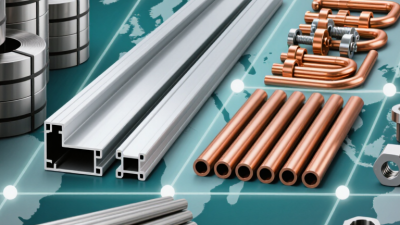
A credible top-ten metal supplier list should compare material depth before price. Carbon steel offers scale and structural strength, while stainless steel supports corrosion-resistant applications. Aluminum reduces weight, copper improves conductivity, and titanium serves demanding strength-to-weight requirements. The World Steel Association reported 1,882.6 million tonnes of crude steel production in 2024. Scale matters, but it does not guarantee consistent quality.
Manufacturing capability separates a catalog seller from a dependable partner. Buyers should verify rolling, forging, extrusion, casting, CNC machining, welding, heat treatment, and non-destructive testing. Ask for mill certificates, heat numbers, dimensional reports, and sample inspection records. A supplier may claim full capability, yet outsource critical processes. That detail deserves scrutiny. Production equipment should match the required alloy, tolerance, volume, and surface finish.
Certifications provide useful evidence, not automatic trust. The ISO Survey 2022 recorded more than 1.2 million ISO 9001 certificates worldwide, showing how common quality certification has become. ISO 14001 supports environmental management, while ISO 45001 addresses occupational safety. Aerospace and automotive buyers may require AS9100 or IATF 16949. Certification scope matters more than displaying a logo. Check the certificate body, expiry date, covered site, and product relevance. In my supplier evaluations, traceability and corrective-action records often reveal more than polished presentations. No ranking is perfect. Supplier performance can change after one raw-material disruption, process transfer, or management decision.
How Global Buyers Can Choose and Work With the Right Supplier
Top 10 Quality Metal Suppliers for Global Buyers
Choosing among ten quality metal suppliers requires more than comparing prices. Global buyers should verify material grades, production capacity, inspection methods, and delivery records. A polished website proves little. Request recent mill certificates, sample reports, and clear product tolerances. Experienced buyers also ask how suppliers handle nonconforming materials. The answer often reveals more than a sales presentation.
Communication matters from the first quotation. Confirm dimensions, packaging, labeling, payment terms, and shipping responsibilities in writing. Ask whether production updates include photographs, test results, and batch numbers. A reliable supplier should explain technical limits without hiding behind vague promises. During factory evaluations, observe storage conditions, calibration records, and traceability procedures. These details affect real performance.
Tips: Compare at least three quotations. Check certificates with the issuing laboratory when practical. Start with a small trial order. Keep written approval samples. Review every document before production. No checklist is perfect. I have seen strong suppliers miss deadlines because forecasts changed suddenly. Share realistic demand estimates and discuss backup plans early. A long partnership depends on honest updates, not optimistic promises.