2026 Best Metal Products to Import Globally?

Global buyers are reassessing which metal products offer dependable value in 2026. Freight costs, energy prices, and regional demand can change quickly. A product that looks profitable today may lose margin after inspection, insurance, and customs charges.

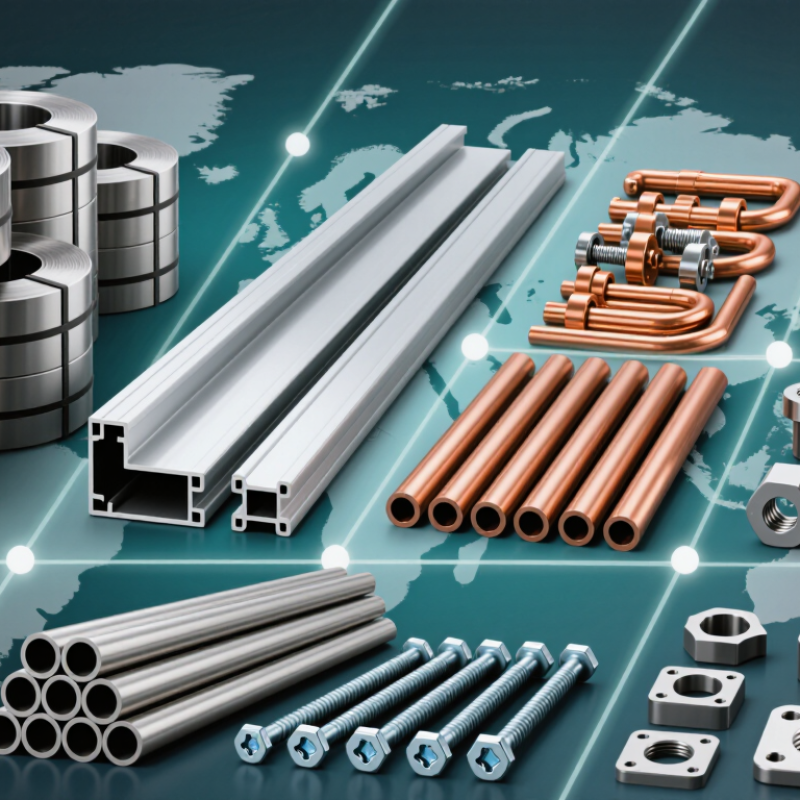
This guide examines practical options for international sourcing, including stainless steel coils, aluminum profiles, copper components, construction fasteners, pipes, and fabricated parts. Each category should be judged by grade, dimensions, surface treatment, packaging, and intended use. Small details matter. A mill certificate, accurate HS code, and traceable batch number can prevent expensive delays at the port.

The strongest opportunities usually combine stable demand with manageable quality requirements. Construction hardware may offer repeat orders, while precision components can provide higher margins. However, precision products require tighter tolerances, better testing, and experienced suppliers. That trade-off deserves attention.

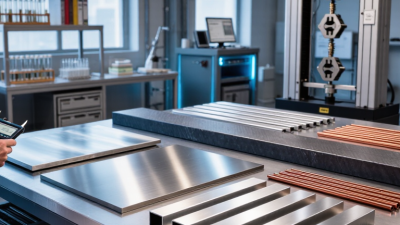
Reliable decisions require more than comparing online quotations. Importers should verify factory records, request independent inspections, confirm product standards, and review destination-country regulations. Certificates should match the actual shipment, not merely a supplier’s brochure. Samples can reveal problems that photographs hide.

This overview does not promise one universal winner. Market conditions differ across regions. Even careful forecasts can be wrong. Use the findings as a starting point, then test landed costs, supplier performance, and customer demand before committing capital. Ethical sourcing, safe materials, and transparent documentation remain essential for every metal products import strategy.

2026 Best Metal Products to Import Globally?

Global Metal Import Criteria for 2026: Demand, Tariffs, and Standards

Global Metal Import Criteria for 2026: Demand, Tariffs, and Standards

Demand should guide product selection, not attractive factory pricing. The World Steel Association’s October 2024 outlook forecast global steel demand to reach about 1.77 billion tonnes in 2025. This suggests steady opportunities for structural sections, processed sheet, and construction components. However, demand differs sharply by region. Infrastructure projects favor standardized products, while machinery buyers require tighter tolerances and reliable documentation.

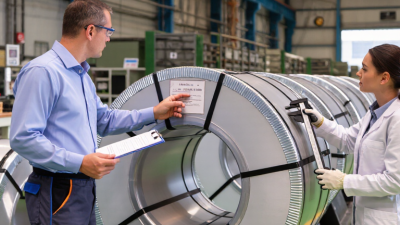
Supply pressure matters. The OECD Steel Outlook 2025 projected global steelmaking overcapacity could reach 721 million tonnes by 2027. Excess capacity may reduce prices, but it can also increase quality risks and delivery uncertainty. Buyers should verify production capacity, recent inspection records, and mill test certificates. Small details matter. A missing heat number can delay customs clearance or invalidate a quality claim.

Tariffs require product-level research. Importers should confirm HS classification, origin rules, anti-dumping measures, and applicable quotas before signing contracts. In the European Union, the Carbon Border Adjustment Mechanism entered its definitive phase in 2026 for covered products, including certain iron, steel, and aluminum imports. Embedded-emissions data may therefore affect the landed cost. The International Energy Agency’s Global Critical Minerals Outlook 2025 also highlights continuing supply concentration for several energy-transition metals, including copper and nickel. ISO, ASTM, and EN requirements should match the destination market. Yet standards alone are not enough. Supplier audits, independent sampling, and traceable inspection records remain necessary, even when paperwork appears complete.

Steel Products: 1.89 Billion-Ton Annual Output and Infrastructure Demand

Steel remains a practical import category for 2026, especially where infrastructure spending is expanding. The World Steel Association’s World Steel in Figures 2024 reports 1.892 billion tonnes of crude steel production in 2023. That scale shows both supply depth and intense competition. It also hides regional differences.

Infrastructure projects consume rebar, structural sections, steel plate, welded pipe, and galvanized sheet. Bridges need predictable strength. Urban buildings need consistent dimensions. Water projects require corrosion resistance. The OECD Steel Outlook 2024 highlights continuing overcapacity risks in global steel markets. Buyers may therefore find attractive prices, but cheap material can carry hidden costs. Poor coating thickness, unstable tolerances, or incomplete mill certificates can delay construction.

Importers should match each product with the project’s technical standard, climate, and delivery schedule. The World Steel Association’s 2024 sustainability data also shows rising pressure to reduce steel’s emissions intensity. Lower-carbon production may become commercially important, even when local rules do not yet demand it. Ask for heat numbers, test certificates, chemical composition, and third-party inspection records. Keep the paperwork traceable.

A mistake is still possible.

A large annual output does not guarantee suitable steel. Port handling, tariffs, origin rules, and local certification can change the final landed cost. Buyers should compare total project risk, not only the invoice price.

Aluminum Products: 70 Million-Ton Market Driven by Lightweight Manufacturing

Aluminum is becoming a central material in global manufacturing. Industry estimates place the market near 70 million tons, supported by demand for lighter products. Vehicle frames, aircraft components, packaging, solar structures, and industrial equipment all use aluminum. Factories want lower weight without sacrificing strength. The scale is impressive.

However, market volume alone does not guarantee a reliable import opportunity. Buyers should confirm alloy grades, temper conditions, dimensions, surface finish, and delivery capacity. Common forms include sheets, coils, bars, profiles, and cast parts. Each requires different inspection methods. Mill certificates matter. Traceability matters too.

Experienced import teams usually request samples before placing large orders. Samples should match production thickness and tolerance requirements. Yet specifications often look simpler than they are. Small differences can affect welding, bending, corrosion resistance, and final assembly.

Shipping also requires practical planning. Aluminum coils need secure packaging, moisture protection, and accurate weight records. Importers should review tariffs, customs documents, testing reports, and recycled-content claims before shipment. A cheaper quote can hide higher inspection or rework costs. That lesson is easy to forget.

Lightweight manufacturing will likely keep supporting aluminum demand through 2026. Still, forecasts can be too confident. A port delay, energy-price change, or weak construction cycle may quickly alter margins. Reliable sourcing depends on verified data, realistic lead times, and direct communication with qualified producers.

Copper Products: Supply Risks Amid Electrification and Grid Expansion

Electrification is turning copper products into strategic imports. Grid expansion needs cable, busbar, transformer components, and grounding materials. Electric vehicles and renewable projects add further pressure. The pressure is real.

Copper supply remains exposed to mine disruptions, declining ore grades, energy costs, and regional permitting delays. Refining capacity is also unevenly distributed. A small disruption can affect delivery schedules worldwide. Freight congestion adds another variable.

Importers should verify conductivity, dimensions, insulation, alloy composition, and test certificates before purchasing. Independent laboratory checks can reveal quality gaps that product photos hide. Clear specifications reduce disputes at ports and factories. Small delays matter.

Supplier diversification is valuable, but it is not a complete solution. Buyers should compare production capacity, inventory locations, traceability records, and realistic lead times. Recycled copper may improve supply flexibility, although purity and processing quality require careful review. Environmental claims also need documented evidence.

Long-term contracts can protect volume, but fixed pricing may create risks during volatile markets. Flexible clauses deserve attention. I have seen forecasts look precise and still miss sudden disruptions. That weakness deserves honest planning.

Importers should monitor treatment charges, currency movements, shipping routes, and local infrastructure demand. Reliable sourcing depends on repeated verification, not promises made during a sales call. Each shipment should strengthen the next decision.

2026 Best Metal Products to Import Globally? — Copper Products

Supply Risks Amid Electrification and Grid Expansion

Global copper mine production increased only gradually from approximately 20.6 million metric tons in 2020 to about 22.0 million metric tons in 2024. This moderate supply expansion may create procurement pressure as electrification, renewable power generation, electric vehicles, and electricity-grid investment increase copper requirements.

Source: U.S. Geological Survey, Mineral Commodity Summaries 2025, Copper — world mine production figures; 2024 value is an estimate.

Specialty Metals: Nickel, Zinc, and Critical-Mineral Import Opportunities

2026 Best Metal Products to Import Globally?

Specialty Metals: Nickel, Zinc, and Critical-Mineral Import Opportunities

Nickel deserves priority in 2026 sourcing strategies. The International Energy Agency’s Global Critical Minerals Outlook 2024 projects clean-energy nickel demand to roughly double by 2030. The USGS Mineral Commodity Summaries 2025 reports about 3.7 million metric tons of global nickel mine production in 2024. That scale signals opportunity, but also supply-chain exposure. Concentrated refining capacity can quickly affect premiums, delivery schedules, and inventory costs.

Zinc offers a different opportunity. It supports galvanized steel, die-casting components, and selected battery applications. The USGS reports approximately 12 million metric tons of global zinc mine production in 2024. Importers should compare refined zinc, zinc alloys, and processed sheets, rather than treating “zinc” as one product category. A 25-kilogram ingot and a coated steel coil create very different freight, handling, and quality requirements.

Practical buying starts with independent assay testing, impurity limits, moisture controls, and traceable certificates. For nickel, confirm whether material suits stainless steel, alloy production, or battery-grade conversion. For zinc, check coating thickness and alloy consistency. Customs classification and origin documents also require careful review. A weakness in many forecasts remains price volatility. I may be overconfident in demand-based projections. Still, verified specifications and diversified suppliers reduce avoidable import risk.

2026 Best Metal Products to Import Globally? - Specialty Metals: Nickel, Zinc, and Critical-Mineral Import Opportunities
Metal / Product Category Critical-Mineral Status Main Industrial Applications Latest Global Mine Production Reference Major Producing Countries Strong Import-Market Regions Import-Ready Product Forms Key Buying Criteria Supply-Chain Risk 2026 Import Opportunity
Nickel Listed as a critical mineral by the United States, the European Union and several other jurisdictions. Stainless steel, nickel alloys, electroplating, rechargeable batteries and high-temperature industrial equipment. Approximately 3.6 million metric tons of nickel content in 2023, according to the U.S. Geological Survey. Indonesia, the Philippines, New Caledonia, Russia, Canada and Australia. East Asia, the European Union, North America, Japan and South Korea. Nickel cathodes, briquettes, pellets, powder, ferronickel, nickel pig iron and nickel sulfate. Nickel content, purity, sulfur and iron levels, origin documentation, responsible sourcing and delivery consistency. High; supply is concentrated in a limited number of producing countries and processing capacity is regionally concentrated. High
Zinc Generally not classified as a critical mineral in all major jurisdictions, but it is strategically important for infrastructure and corrosion protection. Galvanized steel, brass, die-casting alloys, zinc compounds, batteries and construction materials. Approximately 12 million metric tons of zinc content in mine production in 2023, according to the U.S. Geological Survey. China, Peru, Australia, India, Mexico, the United States and Bolivia. European Union, North America, Southeast Asia, Japan and South Korea. Special high-grade zinc ingots, zinc alloy ingots, zinc dust, zinc oxide and galvanizing-grade material. Metal purity, alloy standard, surface quality, chemical analysis, packaging, warehouse availability and freight cost. Medium; mine supply is geographically diversified, while smelter capacity, energy prices and treatment charges can affect availability. High
Cobalt Classified as a critical mineral by the United States and the European Union. Lithium-ion battery cathodes, superalloys, hard metals, catalysts and high-performance magnetic materials. Approximately 230,000 metric tons of mined cobalt content in 2023, according to the U.S. Geological Survey. Democratic Republic of the Congo, Indonesia, Russia, Australia, the Philippines and Canada. China, the European Union, Japan, South Korea and North America. Cobalt hydroxide, cobalt sulfate, cobalt metal, cobalt oxide and battery-grade intermediates. Battery-grade purity, traceability, ethical sourcing, chemical specification and compliance with restricted-substance rules. Very high; mining and refining are concentrated, and regulatory scrutiny of responsible sourcing is significant. High
Lithium Classified as a critical mineral by the United States, the European Union and other major economies. Rechargeable batteries, glass and ceramics, lubricating greases, polymers and energy-storage systems. Approximately 180,000 metric tons of lithium content in mine production in 2023, according to the U.S. Geological Survey. Australia, Chile, China, Argentina, Brazil, Zimbabwe and Canada. China, the European Union, North America, Japan and South Korea. Lithium carbonate, lithium hydroxide, lithium chloride, spodumene concentrate and battery-grade compounds. Chemical purity, battery-grade qualification, moisture control, origin, conversion capacity and long-term supply reliability. High; demand is linked to battery manufacturing, while conversion and refining capacity remain concentrated. High
Natural Graphite Classified as a critical mineral by the United States and the European Union. Battery anodes, refractories, lubricants, foundry materials, fuel cells and thermal-management products. Approximately 1.6 million metric tons of natural graphite mine production in 2023, according to the U.S. Geological Survey. China, Mozambique, Madagascar, Brazil, Canada, India and Tanzania. China, the European Union, North America, Japan and South Korea. Flake graphite concentrate, spherical graphite, purified graphite, expandable graphite and coated anode material. Fixed carbon content, flake size, impurity profile, purification method, coating quality and export documentation. Very high; processing and battery-anode manufacturing are heavily concentrated in a small number of markets. High
Rare Earth Elements Classified as critical minerals by the United States, the European Union and numerous national authorities. Permanent magnets, electric motors, wind turbines, electronics, catalysts, defense systems and optical equipment. Approximately 350,000 metric tons of rare-earth-oxide equivalent in mine production in 2023, according to the U.S. Geological Survey. China, the United States, Australia, Myanmar, Thailand, Brazil and India. European Union, Japan, South Korea, North America and advanced-manufacturing hubs in Asia. Mixed rare-earth carbonate, separated oxides, metals, alloys, permanent-magnet materials and polishing powders. Individual element distribution, separation quality, radioactive-element controls, traceability and export licensing. Very high; mining, separation, refining and magnet production are concentrated across a limited number of supply chains. High
Tungsten Classified as a critical mineral by the United States and the European Union. Cutting tools, mining equipment, hard metals, high-temperature alloys, electronics and radiation-shielding products. Approximately 79,000 metric tons of tungsten content in mine production in 2023, according to the U.S. Geological Survey. China, Vietnam, Kazakhstan, Russia, Bolivia, Rwanda and Austria. European Union, North America, Japan, South Korea and industrial manufacturing centers in Asia. Ammonium paratungstate, tungsten oxide, tungsten powder, carbide powder, ferrotungsten and tungsten bars. Purity, particle size, carbide performance, conflict-mineral documentation, export controls and technical certification. High; production and downstream processing are concentrated, with limited substitution in precision applications. High
Molybdenum Included on critical-material lists in some jurisdictions and strategically important for alloy and energy applications. Stainless and tool steels, aerospace alloys, petroleum catalysts, chemical equipment and renewable-energy components. Approximately 260,000 metric tons of molybdenum content in mine production in 2023, according to the U.S. Geological Survey. China, Chile, Peru, the United States, Mexico, Armenia and Mongolia. European Union, North America, Japan, South Korea and high-grade steel manufacturing regions. Molybdenum oxide, ferromolybdenum, molybdenum powder, plates, rods and alloy products. Content percentage, particle size, alloy specification, heat resistance, mill certification and end-use compliance. Medium; supply is linked to both primary mines and by-product recovery from copper operations. Medium to High
Tin Classified as a critical mineral by the United States and the European Union. Solder, tinplate, chemicals, specialty alloys, glass manufacturing and energy-storage materials. Approximately 290,000 metric tons of tin content in mine production in 2023, according to the U.S. Geological Survey. China, Indonesia, Myanmar, Peru, the Democratic Republic of the Congo, Bolivia and Brazil. East Asia, the European Union, North America, Japan and South Korea. Refined tin ingots, tin solder, tin chemicals, tin alloys and tinplate-grade products. Purity, solderability, traceability, responsible-minerals compliance, packaging and lot consistency. High; mine supply is concentrated and trade can be affected by export restrictions, weather and responsible-sourcing requirements. High
Vanadium Classified as a critical mineral in several jurisdictions and important for steel strengthening and grid storage. High-strength steel, tool steel, aerospace alloys, catalysts and vanadium redox-flow batteries. Approximately 100,000 metric tons of vanadium content in mine production in 2023, according to the U.S. Geological Survey. China, Russia, South Africa and Brazil. China, the European Union, North America, Japan and South Korea. Vanadium pentoxide, ferrovanadium, vanadium chemicals and electrolyte-grade solutions. Vanadium content, oxidation state, impurity levels, electrolyte stability, technical documentation and delivery schedule. High; production is concentrated and much supply is recovered as a by-product or co-product. Medium to High
Data basis: Production figures are rounded 2023 estimates reported in the U.S. Geological Survey, Mineral Commodity Summaries 2024. Critical-mineral classifications vary by jurisdiction and should be checked against the current importer's regulations. Import opportunities should also be evaluated against tariff schedules, sanctions, export controls, product standards, customs requirements and responsible-sourcing rules applicable in the destination market.

"*" indicates required fields