Why Buy Used Measurement Devices for Global Sourcing?
Why Buy Used Measurement Devices for Global Sourcing?
Global manufacturers face tighter budgets, shorter production cycles, and persistent supply-chain uncertainty. Used Measurement Devices can provide a practical response when new instruments require long lead times. Oscilloscopes, spectrum analyzers, power meters, and calibration equipment often remain technically valuable after one ownership cycle. However, age alone proves nothing. Condition matters more.
The global test and measurement market continues to expand. Grand View Research reported strong demand for testing equipment across electronics, telecommunications, automotive, and aerospace applications. MarketsandMarkets has also identified industrial automation and connected technologies as major growth drivers. These trends increase demand for reliable instruments, while procurement teams still seek lower capital costs. A refurbished analyzer may cost substantially less than a comparable new model. It can also arrive sooner.
The decision requires discipline. Buyers should verify calibration history, firmware compatibility, measurement accuracy, operating hours, and available replacement parts. A low price means little without traceable performance records. That is where experienced suppliers matter. They inspect connectors, screens, batteries, probes, and internal error logs before resale. Sometimes, the savings disappoint. Repairs can erase the original advantage.
Lord Kelvin, a pioneer of scientific measurement, said, “When you can measure what you are speaking about, and express it in numbers, you know something about it.” His principle still guides responsible sourcing. Used Measurement Devices deserve consideration when evidence supports their condition. Global buyers should compare total ownership cost, not only the invoice price. The smartest purchase may be used, but it should never be unverified.
What Are Used Measurement Devices?
Why Buy Used Measurement Devices for Global Sourcing?
What Are Used Measurement Devices?
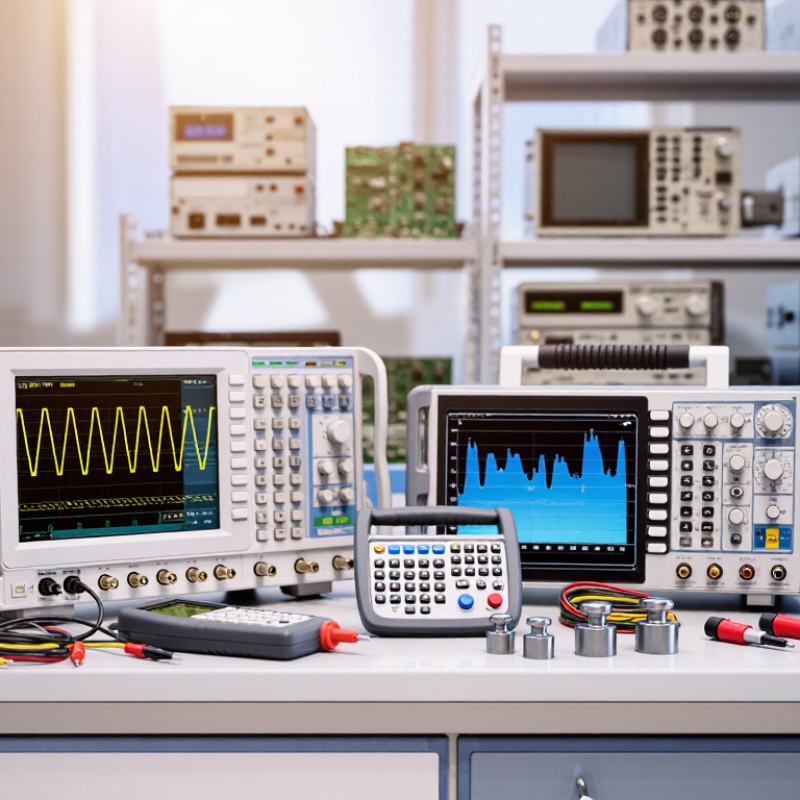
Used measurement devices are previously owned instruments for testing, inspection, or production control. Examples include digital multimeters, oscilloscopes, pressure gauges, temperature sensors, and dimensional measuring tools. Unlike new equipment, these instruments have a service history and may show visible wear. Age alone does not determine performance. A clean case can still hide a weak battery, damaged connector, or unstable reading.
In practical sourcing work, buyers should examine calibration records, accuracy specifications, operating range, and included accessories. A valid calibration certificate supports traceability, but it does not replace functional testing. Ask for clear photos of displays, ports, probes, labels, and serial information. Request recent test results under realistic conditions. Software compatibility also matters, especially when older firmware requires unavailable drivers. Some devices look reliable but perform inconsistently after long storage. That possibility deserves honest attention.
Tips: Define the required accuracy before comparing prices. Confirm voltage requirements and local import rules. Choose sellers who disclose defects rather than hiding them. If possible, arrange an independent inspection before payment. Keep a small budget for recalibration, replacement leads, or missing adapters. Minor imperfections are acceptable when documented, priced fairly, and technically manageable.
Why Do Global Buyers Choose Pre-Owned Equipment?
Why Do Global Buyers Choose Pre-Owned Equipment?
Global buyers often choose pre-owned measurement devices to control project costs without sacrificing essential testing capability. A carefully selected unit can provide accurate readings for laboratories, production lines, and field inspections. The savings may also cover shipping, installation, training, or replacement probes.
Experienced purchasing teams do not judge equipment by appearance alone. They review service records, calibration certificates, operating hours, and repair history. They also confirm voltage, connectors, software versions, and included accessories before payment. Small details matter. A missing sensor can delay a project for weeks. A faded display may signal harsh previous use.
Independent calibration is valuable when measurement results affect quality decisions. Buyers should request traceable calibration records and arrange verification after delivery. For international sourcing, clear serial numbers, export documents, packaging standards, and insurance reduce avoidable risks. Local technicians may also need access to manuals and spare parts.
I have seen buyers focus too heavily on the purchase price. That approach can create hidden costs later. Some used devices perform reliably, while others need immediate service. No inspection is perfect. Even careful teams can overlook outdated firmware or worn cables. A practical buyer leaves room for testing, negotiation, and possible refurbishment before putting the device into daily operation.
How to Evaluate Device Quality, Accuracy, and Condition
Used measurement devices can reduce sourcing costs, but condition matters more than appearance. A clean enclosure can still hide sensor drift, worn connectors, or unstable power output. During evaluation, request the serial number, production date, operating history, service records, and latest calibration certificate. Missing records should reduce the purchase value.
Accuracy requires more than a pass-or-fail statement. NIST Technical Note 1297 explains that measurement uncertainty includes Type A and Type B components. Ask whether the seller reports uncertainty, reference standards, test points, and environmental conditions. A 0.2% error on a 10,000-unit reading equals 20 units. That difference may affect production decisions. ISO/IEC 17025 also expects competent laboratories to control traceability and report reliable results. Check calibration dates carefully. A certificate alone proves little.
Condition testing should match the device’s real workload. Run it for several hours, test low and high ranges, and compare repeated readings. Inspect fans, displays, terminals, seals, and battery compartments. Record temperature and humidity during testing. NIST Handbook 44 provides practical tolerance guidance for many measurement applications, but not every device fits those tables. That is an important limitation. My own review process would still miss intermittent faults without a controlled load, so a return window and independent verification remain valuable.
What Are the Cost and Supply Advantages?
Why Buy Used Measurement Devices for Global Sourcing?
Used measurement devices can reduce purchasing costs without weakening a well-managed testing program. In many sourcing projects, inspected equipment costs 30–60% less than comparable new units. The savings become significant when laboratories need several instruments, spare units, or temporary capacity. A used device may also avoid long factory lead times. It can arrive within days instead of waiting several months.
Supply availability matters during urgent production changes. Older models often remain widely supported, even when new versions replace them. However, age alone proves nothing. Buyers should request serial records, maintenance history, calibration certificates, and clear photos of connectors, screens, and probes. An independent technician can check measurement stability before shipment. Test results should include uncertainty, reference standards, and the calibration date. Small details matter.
There are risks. Batteries degrade, software may not run on current systems, and replacement sensors can be difficult to source. I have seen low-priced equipment become expensive after missing accessories were discovered. That mistake is avoidable. Ask for a complete configuration list and compare it with the test procedure. Confirm voltage requirements, export documentation, technical support, and return terms. A realistic budget should include inspection, freight, calibration, and possible repairs. Used equipment is not automatically a bargain. Careful verification makes the cost advantage more dependable.
How to Source, Verify, and Import Used Devices Safely
Why Buy Used Measurement Devices for Global Sourcing?
How to Source, Verify, and Import Used Devices Safely
Buying used measurement devices can reduce sourcing costs, but savings mean little without reliable verification. In practical inspections, a clean enclosure may hide a drifting sensor. Ask for the model, serial number, age, operating history, calibration records, and clear photos. Request readings from a recent test, not only a power-on video. A device that turns on may still measure badly. Check the details.
Compare specifications with your actual process, including range, resolution, accuracy, connectors, and environmental limits. Use an independent technician when the measurement affects quality decisions. They should test repeatability, zero stability, response time, and visible damage. Calibration certificates need dates, reference standards, and traceable laboratory information. Be cautious here. Some documents look official but omit critical evidence. Even experienced buyers can miss small connector changes or outdated firmware.
Before payment, confirm export eligibility, destination import rules, electrical requirements, taxes, insurance, and required declarations. Ask the seller to describe the device accurately on commercial documents. Use shock-resistant packaging, humidity control, and a delivery inspection checklist. Photograph the crate before opening it. If serial numbers or accessories differ, pause acceptance and document the discrepancy. I would also keep a written record of every unanswered question, because uncertainty becomes expensive after shipment.
