What are the Different Types of Steel Pipes and Their Uses?
Steel pipes are essential in countless industries. Their versatility makes them a popular choice for various applications. Different types of steel pipes serve unique purposes. Some are used in construction, while others are vital in transportation.
Understanding the different types of steel pipes is crucial. For instance, there are seamless pipes and welded pipes. Each type has specific strengths and weaknesses. They vary in thickness, durability, and cost. In construction, heavy-duty steel pipes support structures. In plumbing, thinner pipes carry water efficiently.
Choosing the right steel pipe is not always straightforward. Mistakes can happen, leading to undue stress. There are many options available, and each comes with trade-offs. A good pipe might not be the most obvious choice. An informed decision can save time and money later. In short, recognizing the unique properties of steel pipes can improve outcomes in any project.
Types of Steel Pipes Based on Material Composition
Steel pipes come in various types based on their material composition. Understanding these types helps in choosing the right one for specific applications.
One common type is carbon steel pipes. They are known for their durability and strength. Often used in construction, they can withstand heavy loads. However, they are prone to corrosion without proper coating.
Stainless steel pipes are another popular option. They resist rust and corrosion, making them ideal for plumbing and food processing. Yet, they come at a higher cost and may be overkill for certain projects.
Another option is alloy steel pipes, which contain additional elements like chromium and nickel. These pipes are excellent for high-pressure applications. They offer greater strength but may be more difficult to weld.
It's essential to reflect on the specific needs of your project before choosing the material. Consider factors like exposure to elements and required strength. Sometimes, it’s easy to overlook details, but these choices can dramatically impact performance and longevity.
Common Applications of Steel Pipes in Construction
Steel pipes play a crucial role in the construction industry. They are strong and durable, making them suitable for various applications. Steel pipes support structures and are often used for plumbing, heating, and ventilation systems. Their ability to withstand high pressure and temperature is unmatched.
In many buildings, steel pipes form the backbone of infrastructure. They are integral in water supply systems and drainage solutions. Construction sites often use them to create scaffolding and support beams. Their versatility allows for easy bending and welding, adapting to different design needs. However, improper installation can lead to leaks or structural failures.
Different environments require different types of steel pipes. For instance, galvanized steel pipes resist corrosion, ideal for outdoor use. But, they might not fit well in high-temperature applications. This inconsistency makes selecting the right type crucial. Each choice will have its benefits and limitations, highlighting the importance of understanding project requirements.
Differences Between Seamless and Welded Steel Pipes
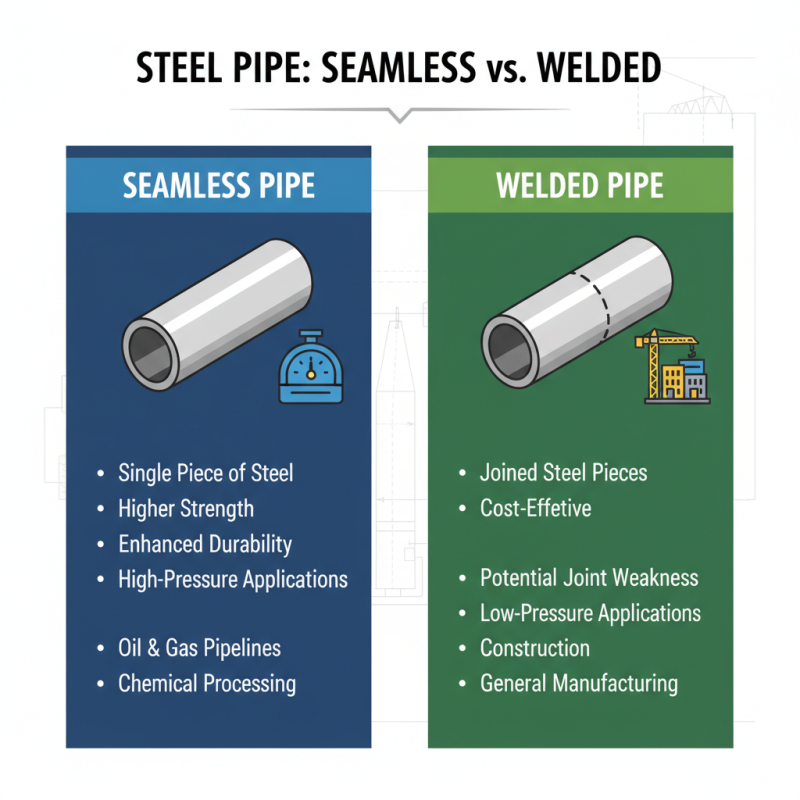
When it comes to steel pipes, understanding the differences between seamless and welded varieties is crucial. Seamless pipes are crafted from a single piece of steel, offering high strength and durability. They are often used in high-pressure applications, such as in oil and gas pipelines. On the other hand, welded pipes are formed by joining two or more pieces of steel. This makes them more cost-effective but can introduce weaknesses at the joint.
Tips: Always consider the application before choosing a type of pipe. If strength is critical, seamless may be your best bet.
Welded pipes are versatile and easy to produce, making them widely used in construction and HVAC systems. However, defects in welding can occur, potentially impacting performance. It's essential to inspect these pipes thoroughly.
Tips: Look for certified standards when sourcing welded pipes. This ensures better reliability and performance. Knowing where to apply each type can make a huge difference in project outcomes.
Specialized Steel Pipe Types for Industrial Use
Steel pipes come in various types, each designed for specific industrial applications. These pipes are essential for transporting liquids and gases in numerous sectors, including oil and gas, construction, and manufacturing. According to a recent industry report, the global demand for steel pipes is expected to grow by 5% annually over the next five years. This growth highlights the importance of understanding specialized types of steel pipes.
One notable type is the seamless steel pipe. It is manufactured without joints, making it stronger and ideal for high-pressure environments. These pipes are often used in the oil and gas industry. They can handle extreme conditions, which is crucial for maintaining safety and efficiency. Another specialized type is the alloy steel pipe. These pipes are strong and can resist corrosion due to the addition of various elements like chromium and nickel. This makes them suitable for chemical processing plants.
However, with the increasing demand for specialized pipes, quality control is a significant issue. Many manufacturers face challenges in maintaining consistent quality standards. Defective pipes can lead to significant safety risks and financial losses. Acknowledging these imperfections is essential while moving forward in the industry. As the demand continues to rise, focusing on quality improvements will become vital.
What are the Different Types of Steel Pipes and Their Uses?
| Type of Steel Pipe |
Description |
Common Uses |
Specifications |
| Seamless Steel Pipe |
Pipes without seams, providing higher strength and pressure handling. |
Oil and gas transport, high-pressure applications. |
ASTM A106, ASTM A53 |
| Welded Steel Pipe |
Pipes made from rolling metal sheets and welding the edges. |
Construction, water pipelines. |
ASTM A500, ASTM A252 |
| Galvanized Steel Pipe |
Pipes coated with zinc to prevent corrosion. |
Water supply, structural supports. |
ASTM A53 |
| Black Steel Pipe |
Pipes with a black, protective coating, used for gas and water. |
Gas lines, fire sprinkler systems. |
ASTM A53, ASTM A106 |
| Stainless Steel Pipe |
Corrosion-resistant pipes made with stainless steel. |
Food processing, chemical industries. |
ASTM A312, ASTM A778 |
Factors to Consider When Choosing Steel Pipes for Projects
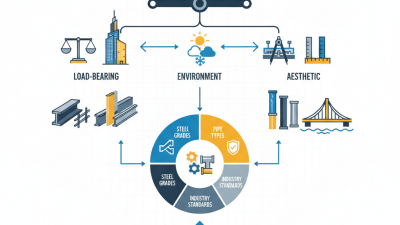
When selecting steel pipes for construction projects, several factors must be considered. The intended use significantly impacts the choice of material and design. For instance, API (American Petroleum Institute) data indicates that different applications require varying levels of strength and durability. Commercial projects may opt for galvanized pipes, while industrial settings might prioritize seamless steel pipes for their reliability under pressure.
Another critical factor is the environment where the pipes will be installed. Corrosive environments demand materials that can withstand degradation. According to the National Association of Corrosion Engineers (NACE), the cost of corrosion management can reach up to $276 billion annually in the U.S. Choosing corrosion-resistant materials can mitigate these costs. Dimensional specifications also matter. Pipes should meet required dimensions for compatibility, often defined in industry standards.
Finally, one must consider the budget. Cheaper options may seem attractive but could lead to higher long-term costs due to maintenance and replacement needs. Remember that the initial savings may not justify future expenses. Proper research and analysis are crucial in balancing cost and performance. Choosing steel pipes involves careful thought around application, environment, and financial implications. Each project has its unique requirements, and no one-size-fits-all solution exists.
Different Types of Steel Pipes and Their Uses
This chart illustrates the frequency of different types of steel pipes used in various construction projects. Seamless pipes are the most common, followed by welded and galvanized pipes, each serving specific purposes in construction and plumbing.