China Top Vinyl Silicone Resin Solvent Suppliers?

China’s vinyl silicone resin market is shaped by more than price. Buyers need to compare solvent compatibility, solids content, viscosity, packaging, and technical support. A sample may look clear in a laboratory beaker, yet behave differently during storage or application. Small details matter.

Vinyl Silicone Resin Solvent is not a single universal formula. Its suitability depends on the resin system, production process, and intended use. As one materials specialist might put it, “A reliable solvent choice starts with the resin’s requirements, not the lowest quotation.” This is an editorial observation, not a verified quotation from a named expert; a sourced expert statement should be confirmed before publication.

This guide examines China-based suppliers through practical questions: Can they provide consistent specifications? Do they share clear product documentation and sample guidance? How do they handle order consistency and technical inquiries? Supplier claims deserve scrutiny. Even a polished data sheet cannot answer every question, and this overview is a starting point—not a substitute for testing samples under your own process conditions.
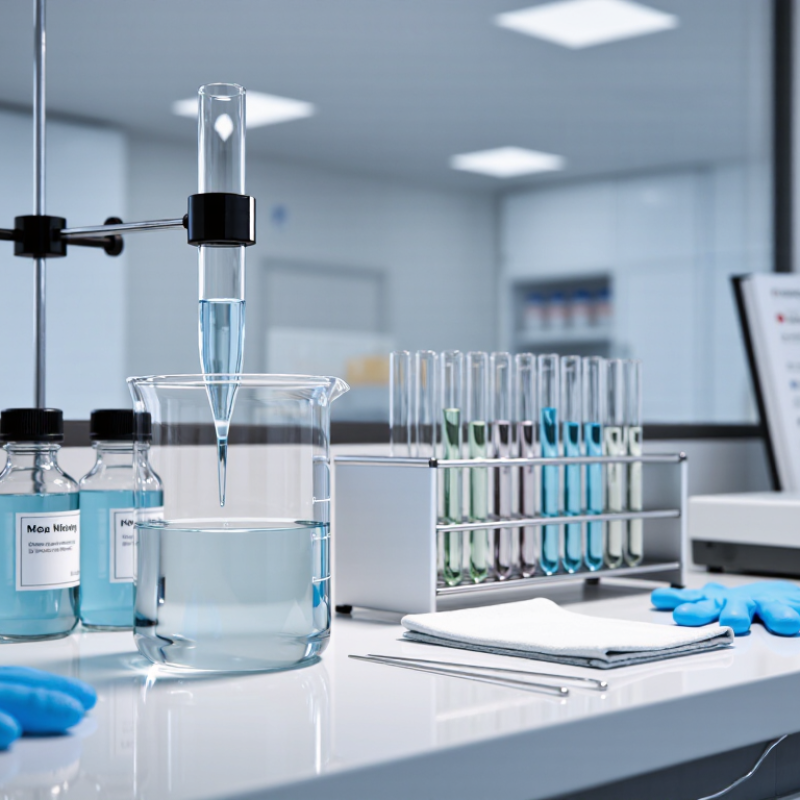
China Top Vinyl Silicone Resin Solvent Suppliers?

What Is Vinyl Silicone Resin and Why Is Solvent Used?

Vinyl silicone resin is a silicone polymer with vinyl groups attached to its molecular structure. Those groups can participate in curing reactions, helping form a cross-linked film when the right formulation and conditions are used. The cured coating may offer heat resistance, flexibility, and weatherability, but performance depends on resin chemistry and the full coating system. Small formulation changes matter.

Why use solvent? It can lower viscosity, making resin easier to mix, spray, or spread across a metal panel or glass surface. It also affects wetting and drying. If solvent evaporates too quickly, the coating may develop unevenness; too slowly, and handling takes longer. Solvent is not a universal requirement, and it does not replace a suitable curing system. Compatibility should be checked with a small test panel.

Market context helps explain the interest in silicone materials, though it does not prove performance for any particular resin. Grand View Research’s 2023 silicone market report estimated the global market at USD 18.7 billion in 2022 and projected growth through 2030. For formulators, the practical question is narrower: does the selected solvent produce stable viscosity and a uniform film under actual application conditions? A data sheet is useful, but real shop conditions can be less tidy.

Vinyl Silicone Resin: Why Solvent Matters

Solvent helps dissolve or dilute a resin for handling and application. Its evaporation rate affects working time and drying; the right choice depends on resin compatibility, process requirements, and safety controls.

Representative solvent boiling points at approximately 1 atm. Xylene is shown at 141°C, the midpoint of its typical mixed-isomer range (about 138–144°C). Values are general reference data, not a supplier ranking or a guarantee of compatibility with every vinyl silicone resin.

Key Properties and Industrial Applications of Vinyl Silicone Resin

Vinyl silicone resin combines a heat-resistant siloxane backbone with reactive vinyl groups. This structure supports thermal stability while allowing the resin to participate in curing reactions. Exact performance depends on molecular weight, vinyl content, and formulation. Small differences matter.

In industrial coatings, it can help form films that resist heat, weathering, and electrical stress. A coated metal panel may retain its surface integrity during repeated heating, while an insulation layer can benefit from dependable dielectric behavior. These outcomes require suitable curing conditions; the resin alone does not guarantee them.

Formulators also use vinyl silicone resin in encapsulants, protective coatings, and composite materials. Its viscosity and compatibility affect mixing, application, and final film quality. Check the technical data and test samples under real process conditions. A detail worth reconsidering: higher vinyl content is not automatically better. It may change cure behavior and flexibility, so application-specific trials remain important.

Overview of China’s Vinyl Silicone Resin Solvent Supplier Landscape

China’s vinyl silicone resin solvent supplier landscape includes chemical distributors, specialty solvent makers, and integrated producers serving coatings and materials manufacturers. Their offerings can differ in purity, volatility, packaging, and batch consistency. Some suppliers focus on common industrial grades; others handle tighter specifications or customized delivery schedules. The market is broad, but product names alone reveal little.

For a practical evaluation, request a current technical data sheet, safety data sheet, and batch certificate. Check boiling range, water content, residue, and compatibility with the specific resin grade. A small trial can reveal issues that paperwork misses, such as slow drying or haze on a coated panel. Ask how the supplier controls batch variation and manages sealed storage. Details matter.

Compare lead times, minimum order quantities, packaging options, and technical support alongside price. A low quotation may not include testing or stable delivery. Local suppliers can offer shorter transport routes, though capabilities vary considerably. That is worth verifying. Some online listings are incomplete, and even a well-presented specification may need independent confirmation. Careful sourcing depends on evidence, clear questions, and testing the material under actual process conditions.

How to Evaluate and Compare Chinese Suppliers

China Top Vinyl Silicone Resin Solvent Suppliers?

Evaluating Chinese suppliers requires more than comparing price per kilogram. According to Grand View Research’s 2024 silicone market analysis, the global silicone market reached about USD 18.7 billion in 2023. This growth increases supplier choices, but quality variation remains a practical concern. Request a recent CoA, SDS, viscosity range, solid content, solvent composition, and batch traceability. These documents reveal more than a polished website.

Test samples under your real process conditions. Check curing speed, adhesion, gloss, odor, storage stability, and surface defects after application. Ask whether production uses calibrated instruments and documented quality procedures, such as ISO 9001-based controls. The International Organization for Standardization emphasizes process consistency, not only final inspection. A supplier with stable records should explain its failure-handling process clearly. If answers stay vague, I would pause the evaluation.

Tips: Compare at least three suppliers using one written specification. Confirm monthly capacity, lead time, packaging, and export documentation. Ask for a small pilot batch before signing a large contract. A lower quotation may hide higher solvent loss, rework, or inconsistent viscosity. I have seen technical sheets look complete while sample performance changed between batches. That is not automatically disqualifying, but it deserves a written corrective-action plan. Also review independent test reports when available, especially for solids content and thermal performance. Percentages can differ between laboratories. Define the test method before comparing results.

Sourcing, Quality Assurance, and Import Considerations

When comparing China-based vinyl silicone resin solvent suppliers, request a current technical data sheet, safety data sheet, and batch-specific certificate of analysis. Check resin solids, viscosity, appearance, and solvent compatibility against your process—not just a quoted price. Ask for a small production-lot sample and test it in your own coating or curing conditions. A clear sample is useful. It proves little by itself.

Quality assurance should include traceable batch numbers, documented test methods, and retained samples. Confirm whether reported values are typical or guaranteed limits. This detail is easy to miss. UNCTAD’s Review of Maritime Transport 2024 notes that over 80% of world trade by volume moves by sea, making packaging and shipment planning practical concerns. Ask suppliers how they seal containers, protect labels, and manage heat or moisture exposure during transit.

For imports, confirm product classification, invoice descriptions, origin documents, and destination-country chemical documentation with a qualified customs broker. Requirements vary by market. Do not assume the supplier’s paperwork alone settles them.

Before placing a large order, compare lead times, minimum quantities, payment terms, and procedures for handling out-of-spec material. Keep written records of agreed specifications and acceptance criteria. One awkward point: a supplier may provide polished documents but limited evidence of repeatable production. Request recent batch records or an independent inspection where appropriate. Use the same test method for samples and delivered goods; otherwise, small differences can become expensive disputes.

"*" indicates required fields