"*" indicates required fields
Choosing a tube steel supplier is not simply a matter of finding the lowest price. Global buyers also need consistent dimensions, documented material grades, and delivery plans that match their projects. A tube used in a warehouse frame may have different requirements from one specified for machinery or fluid handling. Small details matter.
This guide explores how buyers can compare suppliers across regions, from manufacturing capability and quality controls to communication and export readiness. Look for clear information on outside diameter, wall thickness, tolerances, steel grade, and available finishes. Ask what inspection records accompany each shipment, such as material test certificates, and how bundles are protected against moisture or handling damage. These practical checks can reveal gaps before an order reaches the port.
No shortlist is perfect. A large catalog does not guarantee a suitable product, and a persuasive quotation cannot replace verification. Buyers should confirm current production capacity, sample requirements, lead times, packaging, and shipping terms directly with each supplier. Requirements can also change between industries and destinations, so specifications deserve a second look. That can feel slow. It may prevent costly misunderstandings. The sections ahead offer a grounded framework for identifying tube steel suppliers that fit a buyer’s technical needs, budget, and supply schedule—without treating any ranking as a universal answer.
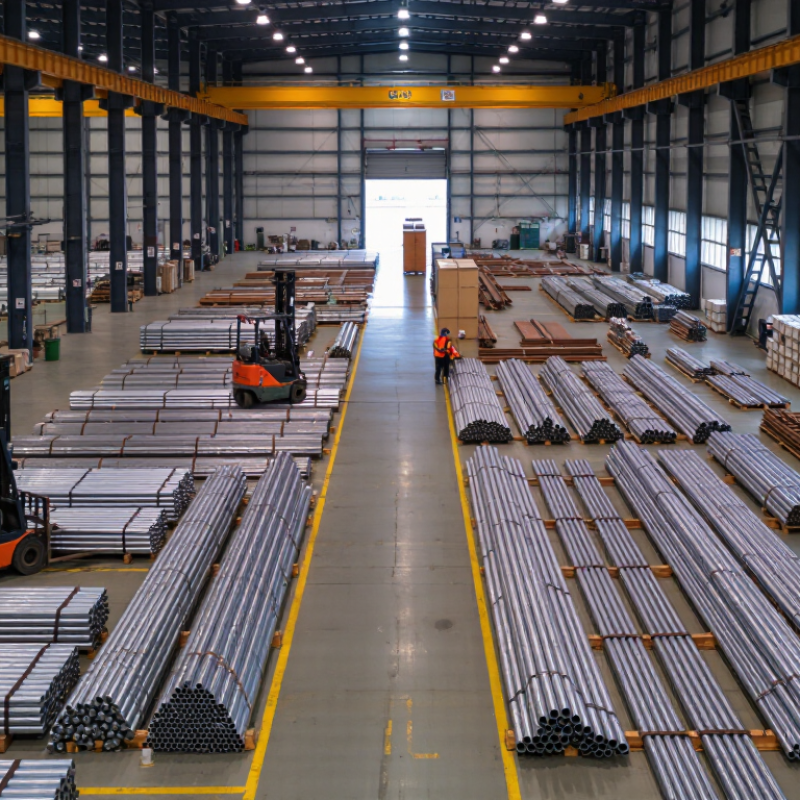
Steel tubes are hollow sections made by forming and joining or drawing steel. Their shape provides strength without the weight of a solid bar. Round tubes often carry fluids or gases, while square and rectangular sections suit frames, racks, and supports. Seamless and welded tubes differ in how they are made and inspected. Neither is automatically best for every use. Wall thickness, steel grade, diameter, and tolerances should match the design and operating conditions.
Tube applications include water systems, vehicle frames, scaffolding, farm equipment, and heat exchangers. A tube carrying fluid needs suitable cleanliness and pressure ratings. A structural member needs reliable dimensions and load capacity. Corrosion exposure matters, too. Coatings or corrosion-resistant grades may help, but they do not eliminate maintenance. Global buyers should verify test documents, dimensional standards, packing, and delivery requirements before ordering. Specifications can vary between suppliers, so confirm key details in writing.
Tips: Share drawings and operating conditions, not just a nominal size. Ask how dimensions and material properties are checked. Inspect sample ends for burrs, dents, or uneven welds. Small defects matter. Allow time for independent checks, especially when replacement would be difficult. One specification rarely answers everything.
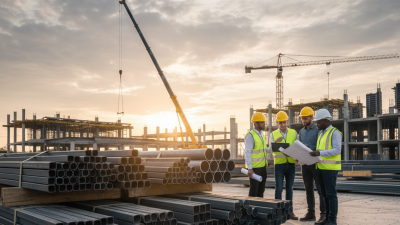
Begin with evidence, not polished catalogs. Ask for current mill test certificates showing chemical composition, tensile strength, and heat number. Match those numbers to the tube’s markings and purchase order. Check dimensional tolerances, wall thickness, weld-seam quality, and inspection records against the specification you need. A sample cut can reveal uneven walls or rough seams that photographs miss. Small details matter.
Capacity and consistency matter too. The World Steel Association’s World Steel in Figures 2025 reports global crude steel production of 1,882.6 million tonnes in 2024. That scale does not guarantee reliable tube supply; confirm the supplier’s actual production capacity, lead times, and contingency plans. Ask how nonconforming batches are handled. No checklist is perfect. Factory audits and independent testing can help verify claims, especially for critical applications.
Traceability and environmental reporting deserve scrutiny. The International Energy Agency’s Iron and Steel Technology Roadmap (2020) estimates that iron and steel production accounts for about 7% of global energy-system CO₂ emissions. Ask suppliers to explain their emissions data, reporting boundaries, and supporting documentation. Compare like with like. Sometimes the paperwork looks complete, yet key details remain vague; follow up before approving a supplier.
Asia offers a broad base for tube sourcing, from high-volume welded pipe to tighter-tolerance products. The World Steel Association’s World Steel in Figures 2025 reports that China produced 1,005.1 million tonnes of crude steel in 2024, while India produced 149.6 million tonnes. These figures show steelmaking scale, not tube output. Buyers should verify a mill’s actual product range, monthly capacity, and export experience.
Manufacturing capability varies by plant. Electric-resistance-welded (ERW) lines suit many structural and fluid-service applications; seamless mills serve demanding pressure and temperature requirements. Ask for wall-thickness tolerances, weld inspection methods, and material traceability. Check the weld. A production line may look impressive, yet its testing records matter more. Regional scale alone is not a quality guarantee.
European, Japanese, and South Korean producers are often considered for specification-sensitive orders, while North American mills can offer practical regional supply. Capabilities differ within every region. Request recent inspection reports and confirm whether cutting, coating, heat treatment, and non-destructive testing happen in-house. The OECD’s 2025 steel-market analysis discusses persistent global capacity pressures, but capacity does not prove delivery reliability. I would still question lead-time promises until they are matched to a written production schedule. Small details matter.
Global buyers should assess tube steel suppliers through documented controls, not certificates alone. ISO 9001 describes a quality management system; it does not certify every tube’s performance. Ask for the applicable product standard, steel grade, dimensions, wall-thickness tolerance, and delivery condition. Requirements may reference ASTM, EN, or other specifications, but these are not automatically interchangeable. Confirm the exact edition and acceptance criteria before placing an order.
Review the inspection records for heat numbers, chemical composition, tensile results, and dimensional checks. An EN 10204 Type 3.1 certificate can link test results to a specific production batch, while traceability records help connect marked tubes to that paperwork. Check that measuring equipment is calibrated and that inspection methods match the order. For critical applications, buyers may arrange independent inspection before shipment. Small details matter. A clean certificate is reassuring, but it cannot replace clear specifications or consistent production records. Even experienced buyers can miss a mismatch between a stated standard and a project’s actual service conditions; reviewing that gap early is worth the extra time.
Certifications, Quality Control, and International Standards
The chart compares the specified minimum yield strength of representative structural and line-pipe steel grades covered by widely used international standards. Higher strength does not replace certification; buyers should also verify mill test certificates, traceability, dimensional inspection, chemical analysis, weld quality, and third-party inspection procedures.
Values shown are minimum yield-strength requirements for the selected grades and may vary by product size, wall thickness, delivery condition, and applicable edition of the standard.
Tube steel pricing rarely depends on weight alone. Grade, wall thickness, outside diameter, surface finish, and order volume can change the quote quickly. In my sourcing work, a low factory price sometimes became expensive after inland transport, export packing, and port charges. Ask for a complete quotation. It should separate material cost, cutting, testing, documentation, and freight under a stated Incoterm. Currency, payment terms, and quote validity also matter. Steel markets move faster than many purchasing schedules.
Logistics needs practical planning. Bundled tubes should use strong straps and moisture protection, especially during sea transport. Confirm bundle length, loading limits, container suitability, and port handling rules before placing an order. A reliable supplier can provide mill certificates, dimensional reports, packing photos, and a realistic production schedule. Independent inspection before shipment may cost extra, but it can reveal ovality, surface defects, or incorrect wall thickness. Small errors become costly at destination.
The global sourcing process should begin with a precise RFQ, not a vague request for “best price.” Include drawings, tolerances, quantities, destination port, inspection requirements, and target delivery date. Review production experience, quality controls, export records, and communication speed. Request samples when the application is sensitive. I have learned that supplier promises are not always production capacity. Build a backup plan. Allow time for revised documents, delayed vessels, and imperfect forecasts. A clear purchase contract should define remedies, inspection standards, and responsibility for damaged cargo.
"*" indicates required fields