Top 10 Steel Products You Need for Your Next Construction Project?
When planning your next construction project, the selection of the right materials is crucial. Steel products are essential to achieving durability, strength, and performance. With various types of steel products available, it can be overwhelming to choose the best options.
Consider the core needs of your project. Will you need beams, sheets, or rebar? Each type serves unique functions. For example, steel beams provide structural integrity while sheets offer protective surfaces. These items are not only functional; they also determine the project's overall success.
As you gather information, reflect on any past challenges you faced. Did a lack of good materials lead to issues? Learning from these experiences can help you make better choices. Selecting the right steel products is a critical step in ensuring a resilient and efficient construction outcome.
Top Steel Products Essential for Modern Construction Projects
When it comes to modern construction projects, choosing the right
steel products is crucial.
Steel has been the backbone of the construction industry for decades.
According to the World Steel Association, the global production of
crude steel was around 1.5 billion metric tons in 2020.
This figure highlights the immense reliance on steel for building
infrastructure and structures.
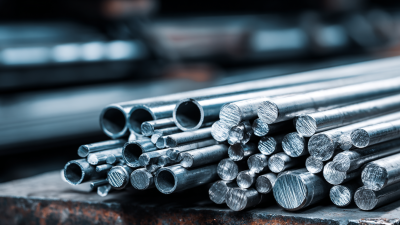
Building frames, reinforcement bars, and steel sheets are essential.
Building frames provide the structure's skeleton.
Reinforcement bars, or rebar,
are critical for concrete strength. Data from Statista shows that
rebar consumption in construction reached 200 million metric tons
in 2021 alone. Steel sheets are versatile, used in everything from
walls to roofs. However,
the quality can vary significantly. Not all steel grades are suitable
for every project.
Sustainability is also a growing concern. While steel is recyclable,
not all steel products are made sustainably. According to a report
by the International Energy Agency, steelmaking generates about
8% of global CO2 emissions.
Builders need to reflect on sourcing and selecting steel products
that minimize their carbon footprint. This choice influences both
the environment and project long-term viability.
Understanding the Importance of Structural Steel in Building Integrity
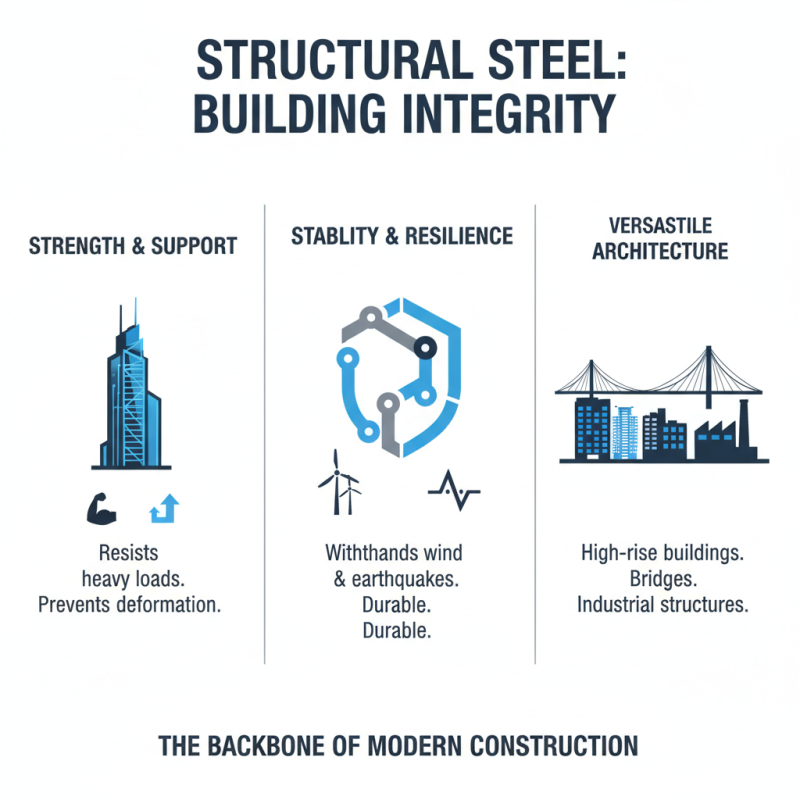
Structural steel plays a crucial role in building integrity. It provides strength and support to a structure. Without it, buildings would lack stability. Steel’s resistance to deformation makes it ideal for various architectural designs. High-rise buildings, bridges, and industrial structures all rely on steel. The material can withstand heavy loads. It also resists natural forces such as wind and earthquakes.
However, using steel is not without challenges. The cost of steel fluctuates significantly. Project budgets can quickly become strained. Fabrication and installation must be precise. Any mistakes can lead to safety issues. The process requires skilled labor and careful planning. Often, architects and engineers find themselves needing to compromise on design to meet budget constraints.
Despite these challenges, the benefits of structural steel are undeniable. It enhances longevity and reduces maintenance costs over time. Properly designed steel frameworks can last for decades, even centuries. The aesthetics of exposed steel can add character to a building. Yet, the reliance on this material calls for responsible sourcing and sustainability practices. It is essential to reflect on how steel is produced and used in constructions.
Comparative Analysis of Reinforcing Bars: Types and Specifications
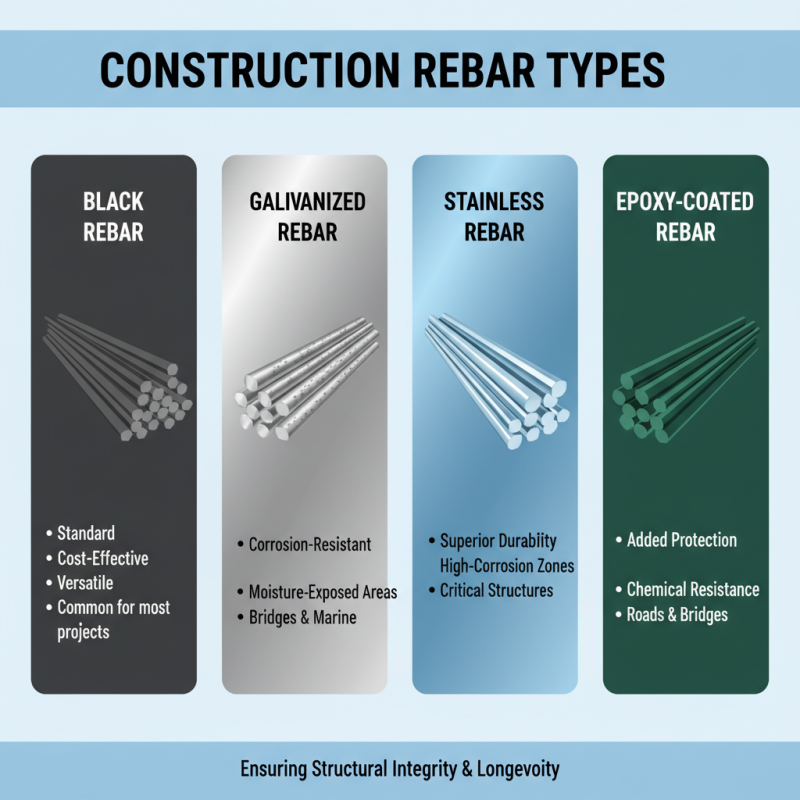
When planning a construction project, reinforcing bars (rebar) are a fundamental component. They provide structural integrity to concrete, preventing cracking and ensuring longevity. There are different types of rebar: black, galvanized, stainless steel, and epoxy-coated. Each type has unique specifications that cater to various construction needs.
Black rebar is often the most common choice. It is cost-effective and suitable for general purposes. However, it can corrode over time, especially in harsh environments. Galvanized rebar, on the other hand, features a protective zinc coating, enhancing corrosion resistance. This makes it ideal for coastal areas but comes at a higher cost.
Stainless steel rebar offers superior durability and resistance to corrosion, making it perfect for bridges and high-profile projects. However, its higher price may lead to budget constraints. Epoxy-coated rebar provides a middle ground. It has a protective layer, balancing cost and longevity. Yet, improper handling can damage the coating, leading to potential issues. Evaluating these options carefully is essential for project success.
Key Benefits of Using Steel Beams in Large-Scale Constructions
Steel beams are essential in large-scale constructions. Their durability and strength make them ideal for supporting heavy loads. They resist bending and warping, which is critical for structural integrity. Using steel beams can save time and costs during project execution. Many contractors prefer steel due to these benefits.
Tips: Always assess the load requirements before choosing steel beam sizes. This ensures safety and efficiency. Speak to professionals about the best designs for your project. It’s essential for overall success.
While steel beams offer many advantages, they can also be challenging. Corrosion is a concern if beams are not treated. Additionally, transport and installation can be complicated. It's crucial to plan these aspects carefully. Don’t overlook the importance of proper maintenance methods too.
Top 10 Steel Products You Need for Your Next Construction Project
| Product |
Key Benefits |
Common Applications |
| Steel Beams |
High strength-to-weight ratio, excellent load-bearing capabilities |
Commercial buildings, bridges |
| Steel Columns |
Durable, easy to maintain, and can support heavy loads |
High-rise buildings, warehouses |
| Steel Reinforcement Bars (Rebar) |
Increases tensile strength of concrete structures |
Foundations, slabs |
| Steel Sheets |
Versatile, can be fabricated easily for various uses |
Roofing, siding |
| Steel Plates |
High strength and durability, resistant to impact |
Bridges, heavy machinery |
| Steel Angles |
Versatile shapes, used as structural supports |
Frames, bracing |
| Steel Channels |
Used for load distribution, strong and reliable |
Buildings, bridges |
| Steel Fencing |
High security, low maintenance, durable |
Perimeter security, isolated areas |
| Steel Trusses |
Efficient load-bearing design, spans large distances |
Roofs, bridges |
Emerging Trends in Eco-Friendly Steel Products for Sustainable Building
As the construction industry evolves, eco-friendly steel products are gaining traction. Sustainability has become a priority for many builders. Traditional steel production methods contribute to significant carbon emissions. This raises concerns about the environmental impact of construction. Emerging trends focus on reducing that footprint through innovative processes.
Recycled steel is a standout option. It incorporates materials that would otherwise end up in landfills. Using recycled steel can significantly cut down on raw material needs. Many construction companies are now prioritizing this. Another trend is the development of low-carbon steel. These products use different manufacturing techniques to limit carbon dioxide release. This movement might still be in its infancy, yet it's encouraging.
There are still gaps to address. Not all builders are aware of these options. Awareness and education in the industry lag behind. Additionally, the cost barrier remains a challenge for many. Green steel can sometimes be pricier than conventional alternatives. As demand grows, it's crucial to find ways to make these products more accessible. Efforts to improve production methods must continue. The path to sustainability is intricate, yet worth exploring.
Top 10 Eco-Friendly Steel Products for Sustainable Building