2026 Top Solar Carport Innovations for Global Buyers?
In recent years, Solar Carports have emerged as innovative solutions for sustainable energy. These structures not only provide shade for vehicles but also harness solar power efficiently. As we approach 2026, global buyers are eager for the latest advancements in this technology.
The ongoing innovations in Solar Carport designs reflect a growing demand for eco-friendly alternatives. Features such as integrated charging stations and energy storage systems enhance their appeal. These advancements aim to cater to the needs of urban environments, where space is often limited yet demand for renewable energy is high.
However, challenges remain. Some buyers may find installation costs prohibitive despite potential long-term savings. Moreover, variations in local regulations can complicate adoption. The evolution of Solar Carports presents exciting opportunities, yet it also asks for careful consideration and adaptation from both buyers and manufacturers alike.
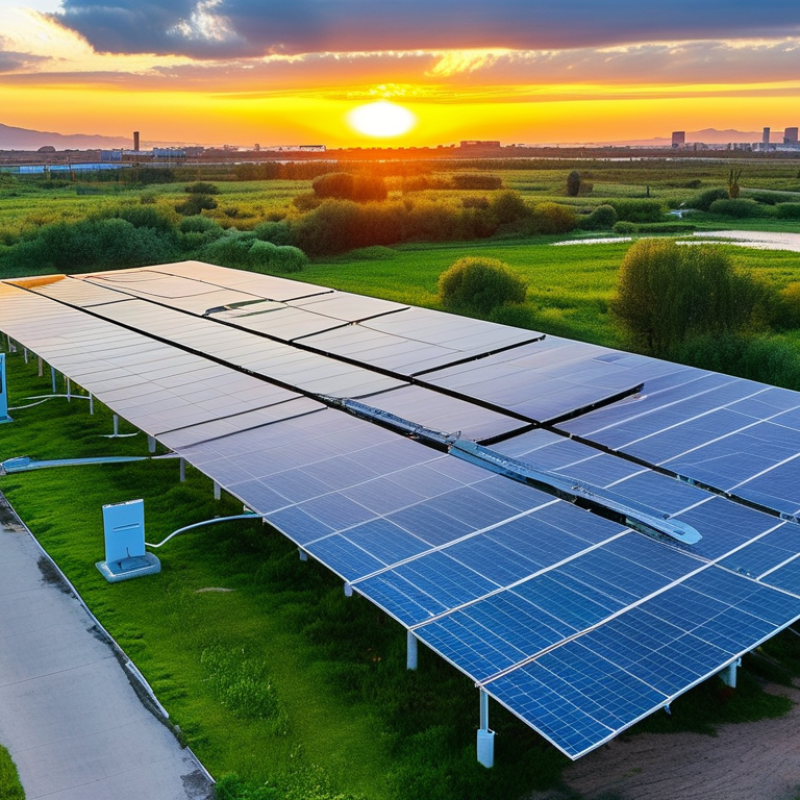
Innovative Solar Carport Designs Revolutionizing Urban Infrastructure in 2026
In 2026, solar carports are transforming urban landscapes. These structures serve dual purposes. They offer parking space while generating renewable energy. The efficiency of solar panels has improved significantly, with many achieving over 20% efficiency rates. This means cities can harness more energy from the same surface area.
Data from the Solar Energy Industries Association indicates that solar carports could contribute up to 30% of rooftop solar energy in urban areas by 2026. This is a considerable shift. Innovations include integrated charging stations for electric vehicles. This technology meets the rising demand for sustainable transportation. With electric vehicle sales expected to reach 25 million by 2030, solar carports play a crucial role in supporting this shift.
However, challenges persist. The initial investment for solar carports can be substantial. Some cities struggle with zoning laws that limit installation. Furthermore, not all urban planners prioritize these constructions. There is a need for improved policies to encourage adoption. Public awareness and education about the benefits of solar carports are crucial for overcoming these hurdles.
2026 Top Solar Carport Innovations for Global Buyers
| Innovation Type | Key Features | Sustainability Benefits | Estimated Cost (USD) | Market Adoption Rate |
| Bifacial Solar Panels | Dual-sided energy capture | Higher energy efficiency | 15,000 | 30% |
| Integrated EV Charging | Built-in electric vehicle charging stations | Supports EV adoption | 20,000 | 25% |
| Smart Energy Management Systems | Real-time energy usage monitoring | Optimizes energy consumption | 12,000 | 40% |
| Modular Design | Easily transportable and customizable | Reduces material waste | 10,000 | 35% |
| Solar Canopies | Multi-functional structure providing shade | Reduces urban heat effect | 18,000 | 20% |
Key Technological Advancements Driving Solar Carport Market Growth by 20%
The solar carport market is projected to grow by 20% due to key technological advancements. Innovations, such as solar panels with higher efficiency rates, drive this growth. According to industry reports, new photovoltaic technologies can boost energy production by up to 30%.
Design improvements also play a crucial role. Sleeker carport designs integrate seamlessly into urban environments. This makes them more appealing for commercial use, particularly in cities where space is at a premium. Additionally, smart technology integration allows for energy management and storage capabilities.
Tips: Consider the layout and design of the carport. Ensure that it suits your space. Explore options for real-time energy monitoring systems. They can enhance efficiency and facilitate better energy use. While innovation is exciting, always reflect on the full lifecycle costs of solar carports. Balancing initial investment against long-term benefits is key.
Economic Benefits: Cost Savings from Solar Carports vs. Traditional Parking Solutions
Solar carports represent an innovative shift in parking solutions. They provide substantial economic benefits compared to traditional parking options. According to a recent report by the Solar Energy Industries Association, solar carports can save vehicle owners up to 60% on electricity costs while also generating revenue from excess energy sold back to the grid. This dual benefit can greatly enhance the financial viability of parking investments.
The initial installation cost of solar carports is often higher. However, over time, the savings on electricity and maintenance may offset the upfront expenses. Studies indicate that facilities with solar carports can experience lower operating costs, decrease in property taxes, and potential increase in property value by up to 10%. This trend hints at a growing realization that investing in renewable energy solutions pays off in the long run.
While the benefits are clear, potential buyers must consider location, local regulations, and site-specific conditions. Not all environments are conducive to solar energy production. Some areas may get limited sunlight, affecting efficiency. Additionally, installation complexity can vary based on parking layouts. Weighing these factors is crucial for informed decision-making, despite the overall positive outlook on solar carports. This evolving landscape offers opportunities but also challenges in the pursuit of sustainable energy solutions.
Global Case Studies: Successful Solar Carport Implementations in Major Cities
Cities around the world are increasingly adopting solar carports. These installations capture solar energy while providing shaded parking. A recent report indicated that the global solar carport market is projected to reach over $2 billion by 2026, showcasing significant market potential.
Successful implementations can be seen in major urban areas. For example, Los Angeles has installed a variety of solar carports across public transit stations. These installations not only reduce energy costs but also lower the city’s carbon footprint. On the other hand, some projects have faced challenges, including zoning regulations and initial costs.
In 2023, New York City constructed solar canopies at several parks. This initiative has generated approximately 3 MW of power annually. Despite the success, issues related to maintenance and vandalism have emerged. The importance of ongoing support and community engagement cannot be understated in these projects.
Environmental Impact: Reducing Carbon Footprint through Solar Carports in 2026
In 2026, solar carports are set to redefine sustainability. These structures not only provide shade for vehicles but also harness solar energy efficiently. According to the International Renewable Energy Agency (IRENA), solar carports can generate up to 30% more energy than standard rooftop systems. This means a significant reduction in reliance on fossil fuels, impacting carbon footprints worldwide.
A recent study found that integrating solar carports into urban planning could reduce greenhouse gas emissions by 40% by 2030. This data highlights their potential effectiveness. Yet, the installation of solar carports can be challenging. Issues like initial costs and site selection must be addressed. Ideal locations are crucial for maximizing energy output, but not every environment is prime for solar capture.
Moreover, carports are not without their limitations. Maintenance and weather resilience pose ongoing concerns. Regrettably, some locations face more significant challenges due to geographical constraints. Investing in research and development is essential for enhancing efficiency and durability. It’s vital to balance innovation with practical application. This approach will ensure that the benefits of solar carports are accessible everywhere, contributing to a greener future.
