"*" indicates required fields
Choosing the Best Pp Sheet Machine Manufacturers in China requires more than comparing prices. Production consistency, technical support, and verified manufacturing experience matter greatly. A reliable Pp Sheet Machine should deliver stable sheet thickness, controlled temperature, and efficient material use during long production runs.
Industry data shows why this equipment attracts global attention. PlasticsEurope’s Plastics – the Fast Facts 2024 reported global plastics production of approximately 413.8 million tonnes in 2023. Asia remained the leading production region, with China contributing a significant share. Grand View Research also estimated the global polypropylene market at about USD 126 billion in 2023, with continued growth expected through 2030. These figures indicate strong demand for polypropylene processing equipment, especially in packaging, automotive components, construction protection, and industrial fabrication.
The best Chinese manufacturers usually demonstrate more than attractive catalog specifications. They provide tested extrusion systems, documented output capacity, and practical commissioning support. Look for details such as screw diameter, die width, heating-zone control, automatic thickness adjustment, and cooling-roll design. Ask for factory videos, sample sheets, and performance records under comparable conditions. Small details matter.
However, market reports cannot confirm every supplier’s real capability. Some published claims may require careful verification. Buyers should inspect certifications, warranty terms, spare-parts availability, and after-sales response times before signing a contract. A lower purchase price may become expensive when calibration delays stop production. This guide evaluates leading Chinese manufacturers through technical evidence, customer experience, and transparent comparison. The goal is not to praise every supplier, but to identify manufacturers that can support dependable PP sheet production.
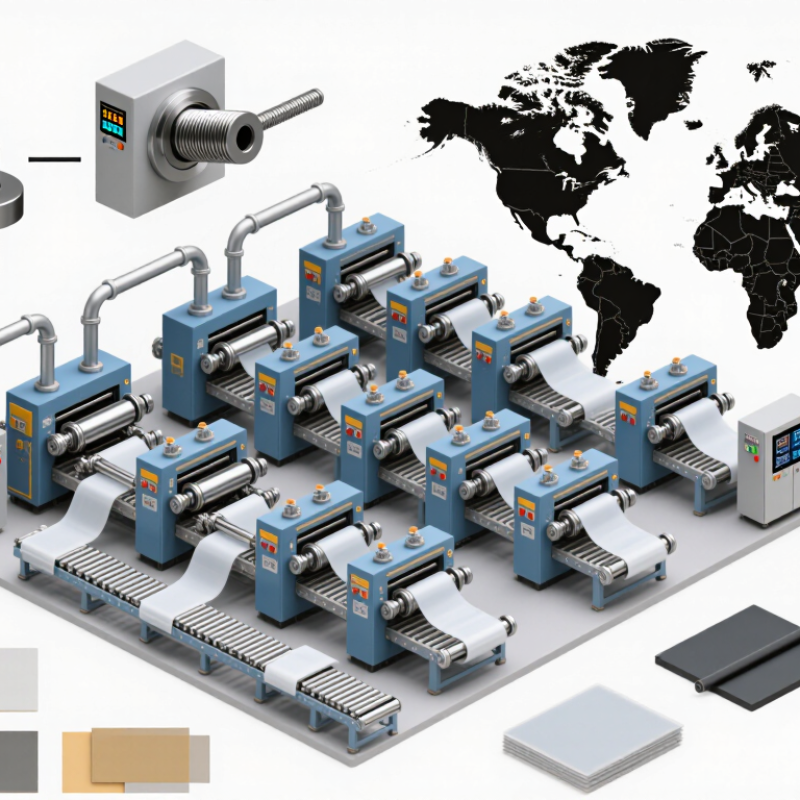
A PP sheet machine is an industrial extrusion line that converts polypropylene pellets into continuous, flat sheets. The process begins with a hopper, heated screw, and filtration unit. Molten PP then passes through a flat die, which controls sheet width and thickness. Cooling rollers stabilize the surface before trimming, pulling, stacking, or winding. Plastics Europe’s Plastics—The Fast Facts 2024 reports global plastics production reached 413.8 million tonnes in 2023. This scale signals strong demand, but it does not make every machine suitable.
In practice, buyers should match output, sheet thickness, width, and material grade. A line for thin packaging sheets needs precise temperature control and fast cooling. Thicker construction sheets need stronger rollers and stable haul-off pressure. Operators should monitor melt pressure, motor load, and die-lip uniformity during production. Small variations can create waves, edge curl, or uneven thickness. The OECD Global Plastics Outlook reports 353 million tonnes of plastic waste globally in 2019. This figure supports durable designs and controlled scrap recovery. However, recycled content may change viscosity and require slower settings. I have seen impressive output figures hide excessive trim waste. Small errors matter.
Tips: Ask for a trial sheet, not only a brochure. Check thickness across the full width. Request energy use per kilogram and documented tolerance data. Confirm cleaning access around the die and filters. A faster line is not always a better line.
A PP sheet machine is an extrusion line that melts polypropylene resin and forms it into continuous sheets through a flat die, cooling rolls, and a cutting or winding system. The chart below shows the calculated polypropylene material consumption at different sheet thicknesses, using a representative PP density of 0.905 g/cm³.
As sheet thickness increases, material usage rises almost proportionally. This relationship helps buyers evaluate extruder capacity, cooling requirements, energy consumption, and production costs when selecting a PP sheet machine.
A PP sheet machine converts polypropylene granules into flat, uniform sheets through controlled heat and pressure. The process begins in the hopper, where clean, dry material enters the heated barrel. Some production lines use a dryer when storage conditions create moisture concerns.
Inside the barrel, a rotating screw moves the granules forward. Heater zones soften the polymer gradually, while screw pressure blends it into a stable melt. A screen changer can remove small contaminants before the melt reaches the flat die. The die spreads the material across the required width. Die temperature must remain even. Small temperature differences can create thickness variation.
The hot sheet then passes through polished cooling rolls. These rolls control thickness, surface finish, and cooling speed. A haul-off unit pulls the sheet at a steady rate, while edge trimmers remove uneven sides. The finished sheet may be cut into panels or wound into rolls.
In practical operation, operators check thickness with gauges across the sheet width. They also watch for bubbles, edge waviness, and dull surfaces. These defects often come from unstable temperature, incorrect roll pressure, or inconsistent feeding. I have found that a slower line speed can improve stability, but it may reduce output. That trade-off deserves careful testing. Even a well-built machine needs regular cleaning, calibration, and sensible parameter records.
When comparing PP sheet machine manufacturers in China, start with measurable production needs, not brochure claims. Define sheet width, thickness range, daily output, and target tolerance. A machine producing 1,200 millimeters wide sheets may not suit narrow laboratory work. Check whether the line supports recycled PP, filled grades, or only standard resin. Material flexibility matters.
Review the extruder carefully. Screw diameter, L/D ratio, motor power, and heating zones affect melting stability. A longer screw may improve mixing, but it can also increase energy use. Ask for actual output data at your required thickness. Not the maximum figure. The die should provide even flow across the sheet width. Automatic thickness control is useful, especially for thin sheets. However, sensors need calibration and skilled operators.
Cooling rolls deserve close attention. Compare roll diameter, surface finish, temperature range, and adjustment accuracy. Poor cooling control can cause warping, gloss differences, or uneven thickness. Check the haul-off speed and cutting system under real production conditions. Safety guards, emergency stops, electrical protection, and clear operating controls should be standard. Request sample sheets, test reports, installation records, and spare-parts details. I would also inspect the control cabinet and weld quality in person. Photos can hide practical weaknesses. Energy consumption and maintenance access are often overlooked. A lower purchase price may become expensive when heaters, pumps, or sensors fail repeatedly. During evaluation, leave room for doubt. Specifications are useful, but verified performance is stronger.
Best PP Sheet Machine Manufacturers in China
Finding the best PP sheet machine manufacturers in China requires more than comparing prices. A reliable manufacturer should understand extrusion, material behavior, and daily production pressure. Ask for machine specifications, not polished promises. The line should match the required sheet width, thickness range, output, and PP grade. Important components include the extruder, T-die, calender rolls, cooling system, haul-off unit, and trimming device. Each part affects surface quality and dimensional stability.
Experienced buyers usually request sample sheets before signing a contract. Check thickness variation at several points. Inspect edges, gloss, flatness, and impact strength. A factory visit can reveal assembly discipline, testing equipment, and spare-parts storage. Ask how engineers handle melt pressure changes or uneven cooling. Clear answers matter. So does documentation. Manufacturers should provide manuals, installation guidance, operator training, and a practical warranty process. Production records and quality-control procedures also support credibility. No supplier is perfect. A trial may still expose small defects. That is useful information, not failure. Buyers should record corrections and confirm them in writing. The best PP sheet machine manufacturers in China are often those that communicate precisely, test consistently, and improve after receiving technical feedback. A low quotation can become expensive when commissioning is slow or replacement parts are unclear. Evaluate the whole production relationship, not only the machine’s purchase price.
| Evaluation Dimension | Common Market Specification | Typical Range or Requirement | Why It Matters | Recommended Verification Method |
|---|---|---|---|---|
| Sheet Production Width | Standard flat-die extrusion line | 600–2,500 mm | Determines the maximum usable sheet width and production flexibility. | Confirm effective die width, edge-trim allowance, and maximum finished-sheet width in the technical offer. |
| Sheet Thickness Capability | Rigid PP sheet for packaging, printing, and industrial use | 0.5–12 mm | A wider thickness range allows one line to serve more applications. | Request trial samples at the thinnest, thickest, and most frequently produced thicknesses. |
| Material Compatibility | Polypropylene homopolymer, copolymer, and selected recycled PP blends | Virgin and approved recycled feedstock | Material flexibility can reduce raw-material costs and support sustainability targets. | Check the extruder screw design, melt-temperature range, and recommended material specifications. |
| Extrusion System | Single-screw extruder with flat T-die | Typically 90–180 mm screw diameter | The screw diameter and design influence output, melt uniformity, and energy consumption. | Review screw L/D ratio, motor rating, heating zones, and documented output at the target thickness. |
| Production Output | Output varies with width, thickness, formulation, and line speed | Approximately 100–800 kg/h | Output must match the buyer’s required annual capacity rather than only the maximum advertised value. | Compare guaranteed output using the buyer’s actual PP grade, sheet width, and thickness. |
| Thickness Control | Manual, semi-automatic, or automatic die-gap adjustment | Closed-loop control preferred for precision production | Stable thickness improves material yield, flatness, printing quality, and downstream performance. | Ask for thickness-tolerance data measured across the sheet width and along the production direction. |
| Cooling and Calibration | Three-roll calender, cooling table, or combined calibration system | Temperature-controlled rolls with adjustable line speed | Proper cooling affects surface finish, flatness, shrinkage, and dimensional stability. | Inspect roll diameter, temperature-control method, surface finish, and cooling-water requirements. |
| Line Speed | Speed depends on thickness, material, and required surface quality | Approximately 1–35 m/min | Higher speed can improve capacity, but only when sheet quality remains consistent. | Evaluate actual stable operating speed during a production trial instead of relying on no-load speed. |
| Sheet Surface Quality | Smooth, matte, embossed, or application-specific finish | Controlled by die, roll surface, temperature, and haul-off settings | Surface quality is important for packaging, thermoforming, printing, and lamination. | Define acceptable gloss, haze, scratches, roller marks, and surface contamination limits. |
| Automation Level | PLC control with touch-screen monitoring | Basic control to integrated automatic production management | Automation improves repeatability, operator safety, process monitoring, and production records. | Verify alarm functions, recipe storage, remote diagnostics, data logging, and user-access control. |
| Cutting and Stacking | Online trimming, fixed-length cutting, and automatic stacking options | Configured according to sheet size and packaging method | Integrated handling reduces manual labor and protects finished-sheet edges. | Confirm maximum stack height, cutting accuracy, transfer method, and finished-product packaging. |
| Energy Management | Variable-frequency drives, insulated heating zones, and efficient motors | Measured by kWh per kilogram of finished sheet | Energy consumption has a direct effect on operating cost and environmental performance. | Request a power-consumption estimate based on the intended PP formulation and production rate. |
| Quality and Safety Compliance | Electrical, mechanical, and guarding requirements for the target market | Applicable local regulations and internationally recognized standards | Compliance supports safer operation, import clearance, and customer audits. | Review electrical drawings, safety-guarding details, emergency-stop tests, and conformity documents. |
| Factory Acceptance Testing | Trial production before shipment | Recommended for every customized line | Testing verifies output, thickness stability, surface quality, and machine integration before delivery. | Use a signed acceptance protocol covering raw material, operating conditions, test duration, and results. |
| Installation and Commissioning | Remote guidance or on-site technical service | Usually scheduled after utilities and auxiliary equipment are ready | Professional commissioning reduces start-up delays and prevents incorrect operating settings. | Confirm service scope, technician availability, travel requirements, training hours, and commissioning checklist. |
| Spare Parts and After-Sales Support | Recommended spare-parts list, troubleshooting, and technical documentation | Support period and response time defined contractually | Accessible support helps maintain uptime and simplifies long-term maintenance. | Request a parts list for the first two years, response-time commitments, manuals, and wiring diagrams. |
| Customization Capability | Options for width, thickness, embossing, co-extrusion, and downstream handling | Configured to the product specification | Customization avoids paying for unsuitable capacity and supports future product expansion. | Compare the proposed configuration with a written product specification and layout drawing. |
Market reference ranges are general planning values for PP sheet extrusion equipment in China. Actual performance depends on resin grade, formulation, sheet dimensions, cooling conditions, operator settings, and auxiliary equipment.
Best PP Sheet Machine Manufacturers in China
How to Choose a Reliable Chinese Manufacturer
Choosing a reliable Chinese PP sheet machine manufacturer requires more than comparing prices. You need evidence of stable production, clear communication, and practical engineering support. Ask for the machine’s output range, sheet width, thickness tolerance, and compatible PP materials. A serious supplier should explain these details without avoiding difficult questions.
Request recent factory videos, machine test records, and customer references from similar industries. If possible, inspect the production line through a live video call. Watch the extruder, cooling rollers, haul-off unit, and cutting system in operation. Check whether components are labeled and whether operators follow documented procedures. Small details matter. Also request a sample sheet made with your intended material and thickness.
Reliable manufacturers provide written specifications, delivery milestones, spare-parts lists, and installation plans. Their warranty terms should identify response times and service limits. Verify business registration and relevant quality certificates through independent sources, not only scanned documents. I have seen attractive quotations hide costly exclusions, especially for molds, training, and electrical changes. My own judgment is not always perfect, so a third-party inspection can prevent expensive assumptions. Good communication is valuable, but measurable records are stronger.
"*" indicates required fields