2026 Top Aluminum Tube Types and Their Applications in Industry?
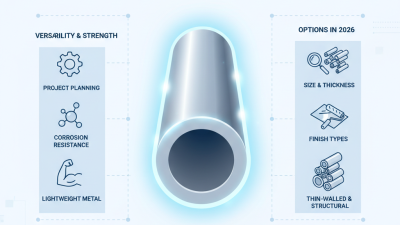
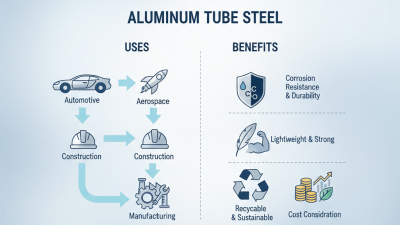
Aluminum tubes have gained significant recognition in various industries due to their versatility and strength. According to industry reports, the global aluminum tube market is expected to reach approximately $9 billion by 2026. The lightweight nature of aluminum makes it ideal for applications in aerospace, automotive, and construction. For instance, aerospace manufacturers increasingly rely on aluminum tubes for fuel lines and structural components, enhancing their fuel efficiency.
The growing demand for aluminum tubes is also reflected in the automotive sector. These tubes are essential for lightweight vehicle designs, aligning with trends toward sustainability. However, challenges remain. Not all aluminum tube types meet stringent quality standards. Poor manufacturing processes can lead to defects, compromising their effectiveness. Regular quality assessments are necessary to ensure safety and reliability in high-demand applications.
While the advantages of aluminum tubes are clear, industries must navigate the complexities of material selection. Understanding the specific requirements of each application is crucial. Further research is needed to develop improved standards for aluminum tube production. This will enhance performance across various fields while ensuring compliance with industry regulations.
Overview of Aluminum Tube Types and Their Properties
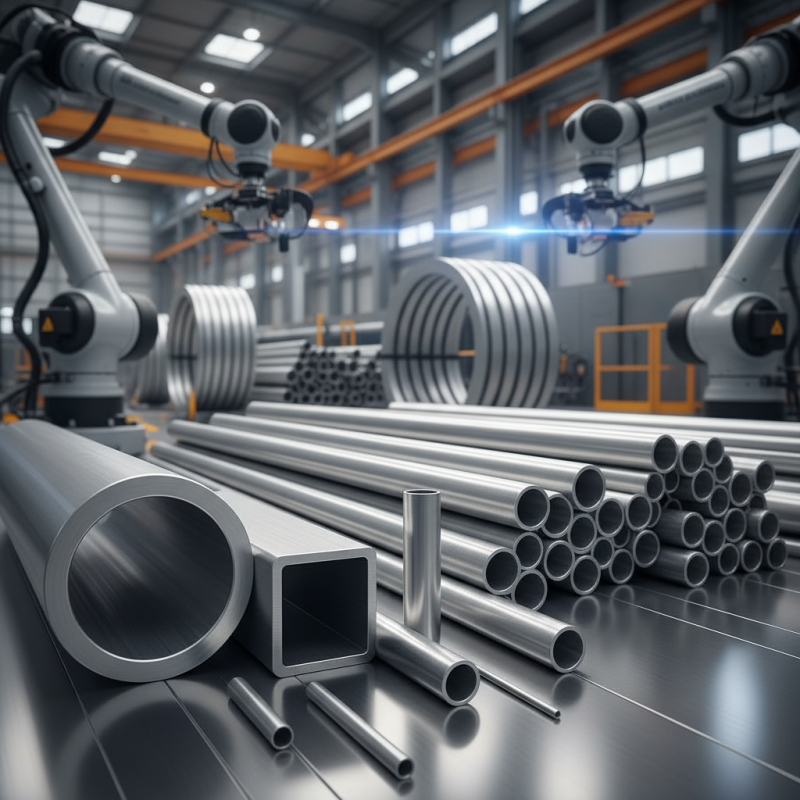
Aluminum tubes are versatile and widely used in various industries. Each type has unique properties that enhance its application. Common types include seamless, welded, and extruded aluminum tubes. Seamless tubes have no joints, making them strong and ideal for high-pressure environments. Their consistency in thickness adds to their reliability.
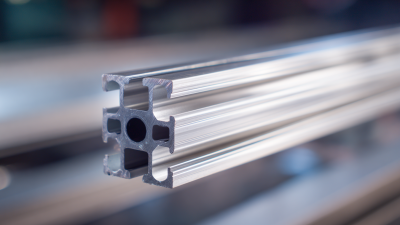
Welded aluminum tubes are typically less expensive. They can be manufactured in longer lengths, which reduces waste. However, they may be less durable under extreme conditions. Extruded aluminum tubes offer flexibility in shapes and sizes. This adaptability makes them suitable for custom applications.
Despite their advantages, aluminum tubes also come with some limitations. Not all types achieve the same level of corrosion resistance. In some cases, the weld areas might pose a weakness. Additionally, variations in quality can arise during manufacturing. Industries must carefully consider the best type for their specific needs.
Common Applications of Aluminum Tubes in Various Industries
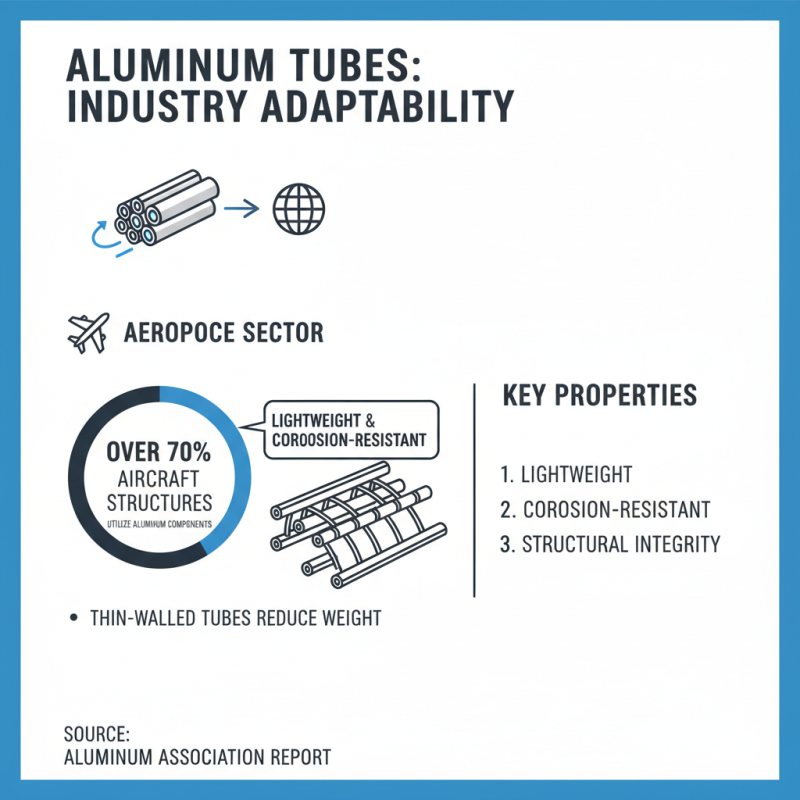
Aluminum tubes play a vital role in various industries due to their lightweight and corrosion-resistant properties. The aerospace sector uses aluminum tubes extensively. According to a recent report from the Aluminum Association, over 70% of aircraft structures utilize aluminum components. Thin-walled aluminum tubes are ideal for reducing weight while maintaining structural integrity.
In the automotive industry, these tubes are critical for fuel and hydraulic systems. A study by Market Research Future indicated the aluminum tube market in automotive applications will exceed $3 billion by 2026. These tubes not only help enhance fuel efficiency but also contribute to overall vehicle safety.
However, challenges exist. Quality control in manufacturing can sometimes lead to defects, which compromise performance. Industries must prioritize rigorous testing to prevent failures. Furthermore, while aluminum is recyclable, the recycling process can be energy-intensive and impacts overall sustainability. Addressing these issues is essential for future development.
Comparative Analysis of Aluminum Tube Manufacturing Techniques
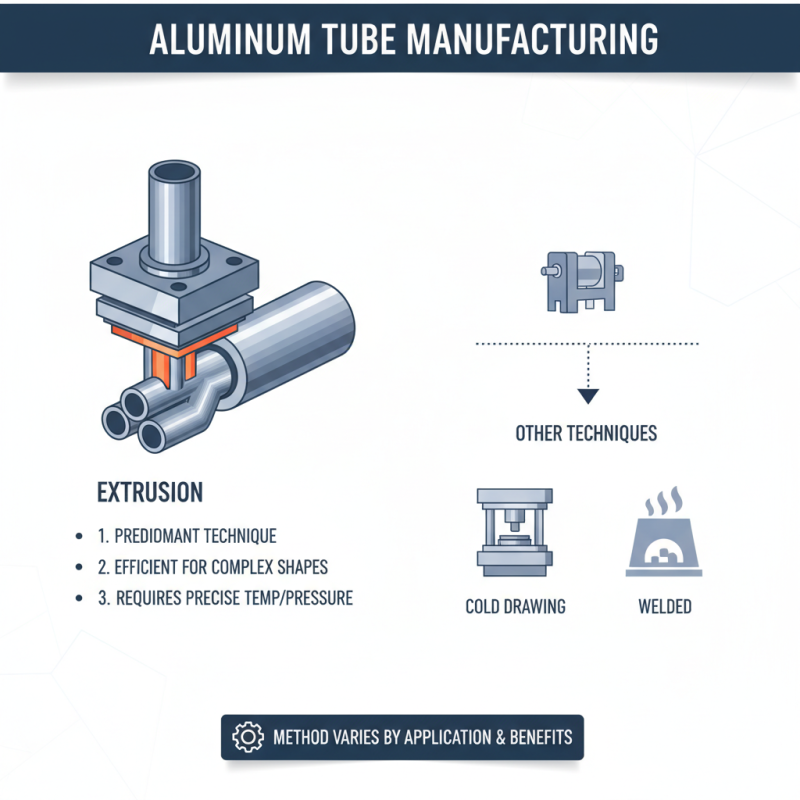
The manufacturing of aluminum tubes involves several techniques. Each method varies in its applications and benefits. Extrusion is one predominant technique. It allows for complex shapes to be produced efficiently. However, it requires precise control of temperature and pressure, which can be challenging for manufacturers.
Another technique is drawing. This method extends the aluminum into thin tubes. It is ideal for producing high-strength products. Yet, one must ensure the process is well-monitored to avoid defects. Both techniques have their unique challenges.
Tips: When selecting a manufacturing method, consider the intended application. Not all methods suit every type of aluminum tube. Also, remember that quality control is crucial. Even minor errors can lead to significant product failures. So, invest time in monitoring the process closely.
Future Trends in Aluminum Tube Production and Usage
The future trends in aluminum tube production are shaped by innovation and sustainability. More manufacturers are investing in green technologies. This shift allows for reduced emissions during production. Companies are also exploring recycling methods. Aluminum is incredibly recyclable, making it an eco-friendly choice. The notion of a circular economy is becoming vital.
In terms of applications, lightweight materials are in high demand. Aerospace and automotive industries seek efficiency and strength. Aluminum tubes meet these needs while maintaining performance. Additionally, the healthcare sector increasingly uses aluminum for various medical devices. However, challenges remain. Not all recycling processes are efficient, leading to waste. Manufacturers must address these issues to enhance sustainability further.
Technological advancements are crucial as well. Smart manufacturing techniques can optimize production. Automation helps decrease costs but requires skilled workers. A balance between technology and human expertise is needed. Adaptability will determine which companies thrive in this evolving landscape.
2026 Top Aluminum Tube Types and Their Applications in Industry
| Aluminum Tube Type |
Applications |
Characteristics |
Future Trends |
| Seamless Aluminum Tubes |
Aerospace, Automotive, Oil and Gas |
High strength, lightweight, corrosion resistant |
Increased demand for weight reduction and durability in construction |
| Welded Aluminum Tubes |
HVAC, Furniture, Electronics |
Cost-effective, versatile, good mechanical properties |
Growing trend in sustainable and energy-efficient designs |
| Square Aluminum Tubes |
Construction, Structural applications |
Strong structural integrity, aesthetic options |
Increasing use in modern architecture and sustainable building practices |
| Round Aluminum Tubes |
Piping, Railings, Sports Equipment |
High durability, excellent for fluid transport |
Innovations in chemical resistance and surface finishes |
| Rectangular Aluminum Tubes |
Automotive, Electrical, Machine frames |
Enhanced strength-to-weight ratio, easy to fabricate |
Tech advancement in manufacturing techniques and customization |
Challenges and Innovations in Aluminum Tube Applications
The use of aluminum tubes is growing rapidly in various industries. However, manufacturers face significant challenges that require innovative solutions. For instance, achieving optimal strength-to-weight ratios is vital. Companies strive to enhance durability without increasing weight. This balancing act often leads to ongoing research and development.
Moreover, corrosion resistance remains a top priority. While aluminum naturally resists corrosion, specific environments can still pose risks. Innovations such as advanced coatings can help mitigate these issues but may not always be cost-effective. Manufacturers must weigh the benefits against the challenges of increased production costs.
Sustainability is another area needing attention. Recycling aluminum is beneficial, yet the process can be energy-intensive. In seeking greener solutions, industries sometimes struggle to find the right balance between performance and environmental impact. Not every innovation can lead to immediate results, causing delays or setbacks. The landscape is complex, but this pushes the boundaries of what's possible in aluminum tube utilization.