What Are the Top 10 Catheter Care Products for Buyers?
Catheter Care is no longer a narrow purchasing task. It affects infection prevention, patient comfort, staff efficiency, and total treatment cost. The Agency for Healthcare Research and Quality identifies catheter-associated urinary tract infection as a major patient-safety concern. Its patient-safety guidance reports that most CAUTIs are linked to indwelling urinary catheters. That detail matters. A drainage bag, securement device, or cleansing product can influence daily outcomes.
Market data also shows why buyers need a structured comparison. Grand View Research reports continued growth in the global urinary catheters market, driven by aging populations, chronic disease, and hospital demand. However, market growth does not prove product quality. It only shows increasing purchasing pressure. Product claims still require careful review.
Look closely.
The top 10 Catheter Care products should be assessed through clinical evidence, material safety, compatibility, usability, and cleaning requirements. Buyers should examine latex content, sterile packaging, drainage visibility, anti-reflux design, and skin-contact performance. These details become practical during a twelve-hour shift, when tubing bends beside a bedrail or adhesive loosens after bathing.
The CDC Guideline for Prevention of Catheter-Associated Urinary Tract Infections emphasizes appropriate catheter use, aseptic insertion, and proper maintenance. Those recommendations provide a reliable benchmark for comparing products. Still, no list is perfect. Hospital protocols, patient mobility, catheter type, and caregiver training can change the best choice. A cheaper item may create hidden labor costs. A premium product may not suit every ward. This guide therefore focuses on evidence-informed buying, realistic handling, and safer long-term value.
What Catheter Care Products Are and Why Buyers Need Them
What Are the Top 10 Catheter Care Products for Buyers?
Catheter care products help users manage drainage, cleaning, comfort, and infection risk at home or in clinical settings. The right product depends on catheter type, drainage method, skin condition, mobility, and clinician instructions. A product that works for one person may cause discomfort for another.
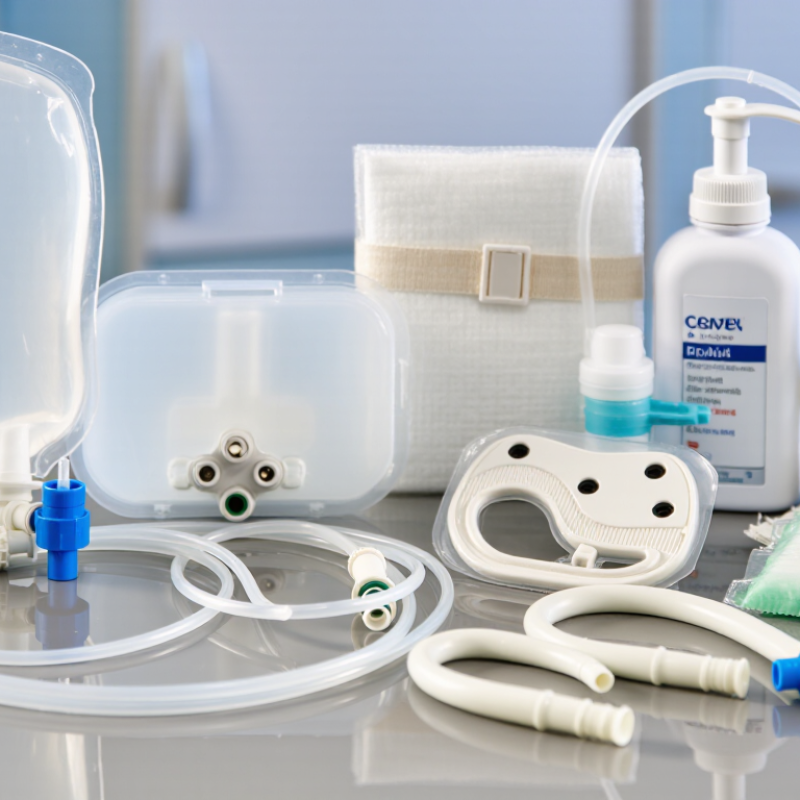
Common essentials include sterile catheter kits, water-based lubricating gel, gentle cleansing wipes, disposable gloves, drainage bags, leg straps, bedside bag hangers, securement devices, absorbent underpads, and disposal bags. Each item solves a practical problem. Lubricant can reduce friction during insertion. A securement device can limit pulling near the urethra. Underpads protect bedding during leaks. Leg straps keep a bag stable while walking. Fit matters.
Buyers should check sterile packaging, clear size information, easy-to-read connectors, and drainage valves that do not drip. Materials should feel soft against skin, especially during long wear.
Some users overlook the bag’s capacity. That mistake can create nighttime interruptions or accidental tension on the catheter. Small details matter.
Clinical guidance remains essential. A nurse or physician can confirm the catheter size, cleaning method, replacement schedule, and suitable accessories. Buyers should avoid using household cleaners or unapproved creams near the insertion site. Product instructions also deserve careful reading, even when the item looks familiar.
Real-world care is not always perfect; condensation, skin irritation, and awkward tubing can appear unexpectedly. Keeping spare supplies nearby can reduce stress, but excessive stock may expire before use.
How to Compare Catheter Types, Features, and Intended Uses
Choosing among ten catheter care products starts with intended use, not packaging. The main options include intermittent hydrophilic catheters, intermittent uncoated catheters, two-way Foley catheters, three-way Foley catheters, external urinary catheters, suprapubic catheters, closed-system kits, drainage bags, leg bags, and securement devices. Each solves a different problem. A clinician should match the product to anatomy, drainage needs, dexterity, and prescribed duration. “Top” is personal. A hospital need differs from a home user’s routine.
Intermittent catheters suit periodic bladder emptying, while Foley types provide continuous drainage. Three-way designs are generally selected for irrigation under specialist supervision. External catheters avoid urethral insertion, but fit and skin condition affect reliability. Suprapubic systems require trained professional support and careful site assessment. Compare diameter, length, tip design, material, drainage eyelets, balloon size, and insertion coating. Smaller is not automatically better. Poor sizing can cause leakage, discomfort, or blockage. Check connector compatibility before buying bags or securement products.
For daily care, inspect packaging, sterility, smooth surfaces, tubing flexibility, anti-kink performance, and readable volume markings. Leg bags support mobility, while larger drainage bags may suit overnight use. Securement should limit pulling without irritating skin. Hand hygiene and the prescribed cleaning routine matter more than attractive accessories. Seek clinical advice after pain, fever, blood, cloudy urine, or reduced drainage. Product descriptions sound precise, yet real fit varies. Compare comfort after several days, not after opening the box. Keep records of leakage, skin changes, and emptying frequency.
Which Ten Catheter Care Products Should Buyers Consider
Which ten catheter care products should buyers consider? The answer depends on patient mobility, drainage needs, and expected duration. The CDC states that about 75% of hospital-acquired urinary tract infections are linked to catheters. AHRQ reports that urinary catheters are used in roughly 15% to 25% of hospitalized patients. These figures make product selection a clinical decision, not a simple purchasing exercise.
Buyers should assess ten core products: intermittent catheters, indwelling catheters, closed drainage bags, leg bags, catheter securement devices, sterile insertion kits, single-use lubricant, cleansing wipes, drainage bag holders, and needle-free catheter valves. The CDC recommends aseptic insertion, a sterile closed drainage system, unobstructed urine flow, and daily review of catheter necessity. Look for clear sizing, kink-resistant tubing, secure connectors, readable volume markings, and skin-friendly materials. Small details matter.
Comfort matters too.
A securement device can reduce pulling during transfers, but poor placement may irritate skin. A leg bag supports mobility, yet its straps can create pressure points. Buyers should also check packaging integrity, sterilization information, expiry dates, and instructions for use. The AHRQ CAUTI prevention resources emphasize staff training and daily necessity checks, not products alone. I would avoid assuming that an expensive accessory guarantees safer care. Evidence is uneven across product types, and real-world handling still decides much of the outcome.
What Are the Top 10 Catheter Care Products for Buyers?
This chart compares common catheter-care product categories by their typical daily care occasions. Actual use depends on the catheter type, drainage system, clinical instructions, and patient needs.
The values represent typical-use estimates for buyer comparison, not mandatory replacement or usage schedules. Buyers should follow healthcare-provider instructions and the product’s labeling.
How to Evaluate Safety, Comfort, Quality, and Compatibility
What Are the Top 10 Catheter Care Products for Buyers?
How to Evaluate Safety, Comfort, Quality, and Compatibility
When comparing the top ten catheter care products, start with intended use and patient needs. The list may include intermittent or indwelling catheters, drainage bags, and extension tubing. Securement devices, lubricating gel, cleansing wipes, skin barriers, leg straps, bag covers, and disposal bags also matter. Safety depends on suitable packaging, clear expiry dates, smooth edges, leak-resistant seals, and latex information. Choose the correct size and connector. A clinician or trained supplier should confirm compatibility, especially after surgery or with a new drainage system. Never mix components casually.
Comfort is practical, not cosmetic. Check flexibility, adhesive tolerance, skin temperature, and whether tubing pulls during walking or sleep. Quality shows in consistent materials, readable instructions, secure caps, and packaging that survives ordinary transport. Compatibility includes catheter diameter, connector type, drainage capacity, and cleaning requirements. A product can look excellent yet fail at the bedside. For example, a tight leg strap may leave red marks, while a loose one permits tugging. Keep hands clean and follow the prescribed care routine. Do not reuse single-use items unless the instructions and local clinical guidance specifically allow it. My checklist is not perfect; comfort differs between bodies, and “universal” fittings are rarely universal. That uncertainty deserves review with a qualified healthcare professional, not guesswork.
How to Choose, Use, Store, and Replace Catheter Care Supplies
Choosing catheter care supplies starts with comfort, fit, and clinical guidance. The ten most useful products are cleansing wipes, sterile water or saline, single-use gloves, water-based lubricant, drainage bags, leg straps, securement devices, measuring containers, disposal bags, and spare connection tubing. Ask a nurse which items match the catheter type and your daily routine. A product that looks convenient may still irritate skin or fit poorly.
Use clean hands before every handling step. Follow the instructions provided by your healthcare professional, especially for cleaning, drainage, and bag changes. Do not pull the catheter or force a blocked connection. Check the skin for redness, swelling, leaking, soreness, or unusual odor. A small mirror can help inspect difficult areas. Store unopened supplies in a cool, dry cabinet, away from sunlight, moisture, children, and pets. Keep emergency replacements nearby, but avoid opening packages early. Replace items according to their instructions or clinical plan. Never reuse supplies labeled for single use. A realistic routine is rarely perfect; people forget a strap or misplace gloves. Keep a simple written checklist. Contact a qualified clinician for fever, severe pain, blood, persistent leakage, or reduced drainage, because these signs may need prompt assessment.
