Why is Steel Supply Critical for Global Industries?
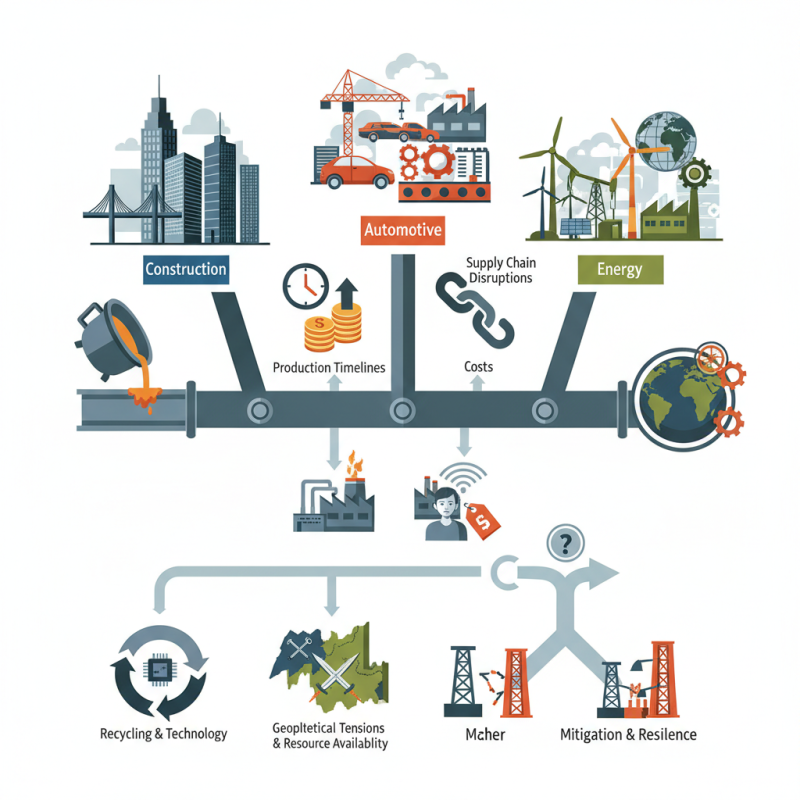
The importance of steel supply cannot be overstated in today's global industries. As James Anderson, a leading steel industry expert, aptly put it, “Without a stable steel supply, we risk stagnation in various manufacturing sectors.” This statement highlights the critical role of steel in construction, automotive, and energy sectors. The global economy hinges on reliable access to steel, making it a lifeline for many industries.
Steel supply directly influences production timelines and costs. When steel shortages occur, projects can be delayed. These delays impact not just individual businesses but also larger supply chains. For instance, a slowing automotive industry can arise from disruptions in steel availability. This creates a ripple effect that reaches consumers who face increased prices and delays.
Although advancements in recycling and technology have improved steel production, challenges remain. Geopolitical tensions and resource availability affect steel supply chains. Reflection is needed on how industries can mitigate these risks. Is it time for a new approach to ensure a more resilient steel supply? The future of global industries may well depend on the answers to these questions.
Role of Steel in Infrastructure Development Globally
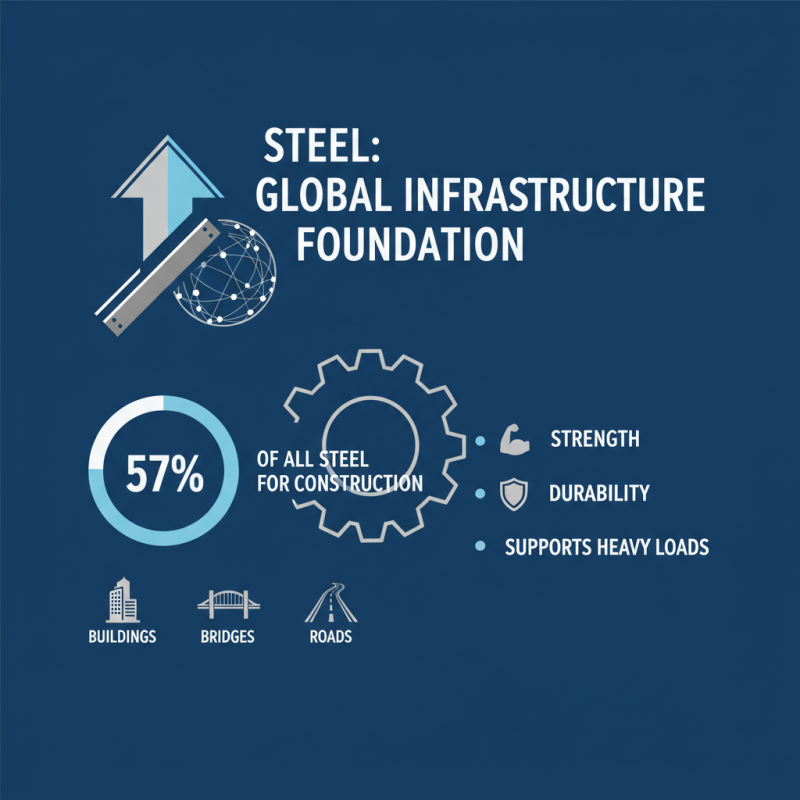
Steel plays a pivotal role in global infrastructure development. According to recent industry reports, approximately 57% of steel production is used in construction. This includes buildings, bridges, and roads. Steel's strength and durability make it ideal for supporting structures that endure heavy loads.
Many countries are increasingly investing in steel-dependent projects. For example, the Global Infrastructure Outlook report suggests that over $94 trillion will be needed for infrastructure development globally by 2040. This figure underscores the reliance on steel as a primary material for such initiatives. However, supply chain disruptions have posed challenges. Factors like trade tensions and production limits can inhibit timely access to steel, resulting in project delays.
Moreover, the environmental impact of steel production cannot be ignored. Despite its utility, the process emits significant carbon. Reports show that steelmaking is responsible for 7-9% of global carbon emissions. Sustainable production methods are needed but developing these comes with its own set of obstacles. Balancing demand and environmental concerns remains a pressing issue.
Impact of Steel Supply on Manufacturing and Production Processes
Steel supply plays a crucial role in global manufacturing and production. A recent report highlights that about 60% of all steel produced is used for infrastructure and construction. This heavy dependency ties the industry to fluctuations in steel availability. When supply chains are disrupted, production timelines extend, affecting costs.
The impact of steel shortages can be severe. For instance, the automotive industry faced production halts in recent years due to inadequate steel supply. This led to a 20% drop in vehicle production for some manufacturers. The unpredictability of steel availability emphasizes the need for robust supply chain strategies. Companies must adapt to these challenges and innovate to mitigate risks.
Data shows that when steel prices rise, production costs increase by nearly 30% in affected sectors. Yet, some manufacturers continue to overlook inventory management. They may not anticipate demand swings or fail to secure long-term contracts. This lack of foresight can lead to inefficiencies and lost opportunities. As industries evolve, the importance of a reliable steel supply remains undeniable.
Economic Implications of Steel Shortages on Global Trade
Steel shortages pose significant economic implications for global trade. The World Steel Association reported a 20% decline in steel production in 2022. This drop impacts many sectors, including construction and manufacturing. Many projects face delays due to insufficient steel supply. As a result, costs are rising. Construction costs have increased by 15% on average in some regions.
Industries relying on steel are grappling with these shortages. Automotive manufacturers, for instance, are facing delays. Some companies reduced production by 10% due to unavailable steel. This situation complicates the supply chain further. Shipping costs have also surged by 30% as a result.
Global trade is feeling the heat. Economic growth is threatened, particularly in developing nations. A lack of steel can exacerbate infrastructure issues. Investment in green technologies may also lag as steel remains in short supply. The ripple effects of these shortages are broad and need addressing.
Steel Supply and Its Economic Implications
Sustainability Challenges in Steel Production and Supply Chains
Steel production faces significant sustainability challenges. The process requires vast amounts of energy and resources. This often leads to high carbon emissions, contributing to climate change. Many companies are now attempting to adopt cleaner technologies. However, the transition is slow and costly.
In supply chains, transporting steel adds more environmental impact. Pollution from trucks and ships is concerning. Factories in different regions may not comply with the same environmental regulations. This inconsistency makes it difficult to maintain sustainable practices. It’s crucial for industries to address these disparities.
Tips for a greener steel industry include investing in renewable energy sources. Companies could also collaborate with suppliers who prioritize sustainability. Transparency in supply chains fosters accountability. Regular audits can help identify areas needing improvement. Ultimately, achieving sustainability requires consistent effort from all stakeholders involved.
Future Trends in Steel Supply and Their Influence on Industries
Steel supply is crucial for many global industries. It influences construction, automotive, and manufacturing sectors profoundly. As we look to the future, several trends emerge. The push for sustainability is changing how steel is produced. Companies are focusing on reducing emissions and adopting greener technologies.
Adopting recycled steel is gaining traction. It’s a way to cut down waste and energy use. But, not every market is ready for this change. That creates a gap between sustainability goals and actual practices. Many companies struggle to balance costs with eco-friendly shifts.
Tips: Consider using local suppliers to reduce transport emissions. Evaluate your current steel sources to see if there's room for improvement. Future-proofing your supply chain can ensure better resilience. Global demand for steel continues to grow. Yet, challenges will remain in meeting that demand sustainably. Be prepared for potential fluctuations in both supply and prices.
Why is Steel Supply Critical for Global Industries? - Future Trends in Steel Supply and Their Influence on Industries
| Industry Sector |
Steel Usage (% of Total Metal Use) |
Key Steel Supply Trends |
Projected Growth Rate (2025) |
| Construction |
47% |
Sustainable practices and steel recycling |
5.2% |
| Automotive |
22% |
Lightweight steel innovations |
4.8% |
| Energy |
15% |
Green steel production technologies |
6.1% |
| Manufacturing |
10% |
Automation and digitization in supply chains |
3.5% |
| Transport |
6% |
Increased demand for efficient logistics |
4.0% |