How to Choose an Industrial Foiling Machine in 2026?

Choosing an Industrial Foiling Machine in 2026 requires more than comparing prices and maximum speed. The right machine must match your substrates, product dimensions, foil types, and production rhythm. A packaging plant running short luxury cartons faces different demands than a label converter producing thousands of narrow rolls. Small details matter. Foil waste matters.

From practical machine evaluations, registration accuracy often separates a dependable system from an expensive disappointment. Ask suppliers to demonstrate real samples using your paper, board, film, or coated stock. Watch the first sheets closely. Check edge sharpness, pressure consistency, foil release, and color uniformity under strong lighting. A clean showroom sample proves very little.

Modern equipment may include servo drives, touchscreen controls, automatic tension adjustment, inspection cameras, and energy-saving heating systems. These features can improve consistency, but they also add maintenance requirements. More technology is not always better. Review technical manuals, service response times, spare-part availability, operator training, and documented safety certifications. Independent testing and transparent performance data deserve more trust than impressive sales language.

Your decision should also consider total ownership cost. Include tooling, electricity, setup time, rejected sheets, cleaning, software updates, and planned downtime. A lower purchase price can become costly after six months. Still, no forecast is perfect. Production volumes change, operators make mistakes, and new materials behave unexpectedly. Leave room for testing before full-scale commitment. The best Industrial Foiling Machine is not simply the fastest option; it is the one that delivers stable results, supports responsible operation, and remains practical for your team in 2026.
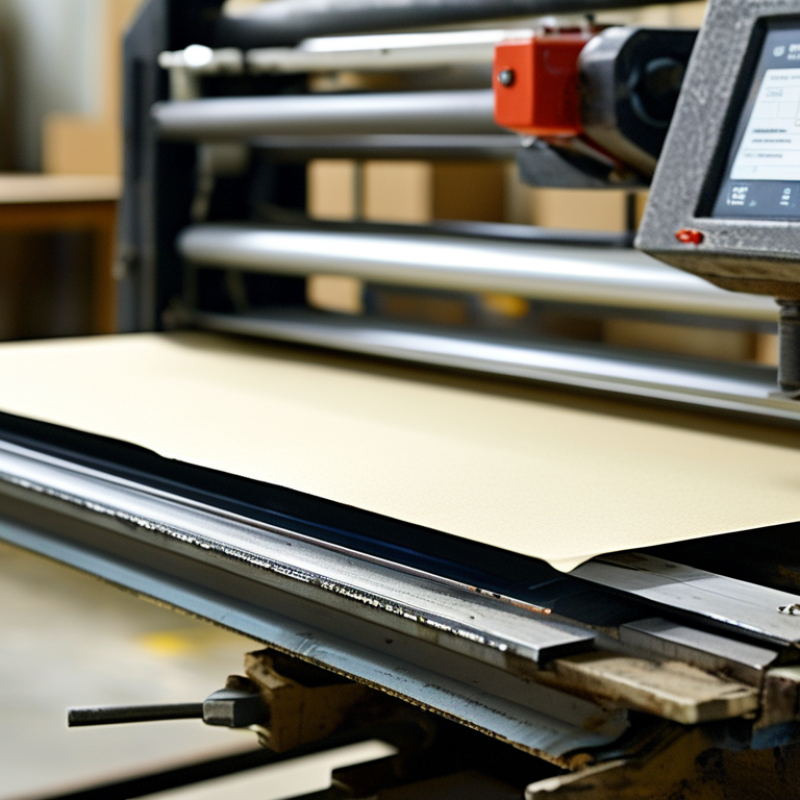
How to Choose an Industrial Foiling Machine in 2026?

What Is an Industrial Foiling Machine and How Does It Work?

An industrial foiling machine transfers a metallic or pigmented layer onto paper, board, film, or approved synthetic substrates. Most hot-foil systems use a heated die, controlled pressure, and timed contact. The die presses the foil against the surface. Heat activates the release coating, while pressure bonds the decorative layer to the substrate. The carrier film then moves forward, leaving a sharp image behind.

Some machines use cold foil adhesive and ultraviolet curing instead. This process can support finer graphics, but adhesive control becomes critical. In production, I check foil tension, die temperature, dwell time, and registration before judging output. Small changes can create dull patches, wrinkles, or incomplete transfer. It is not magic.

Market context matters when selecting equipment. Smithers’ The Future of Global Packaging to 2028 projects the global packaging market will reach about 1.33 trillion US dollars by 2028. That growth increases demand for faster decoration and shorter changeovers. PMMI’s 2024 packaging automation research also identifies labor availability and automation as major investment concerns. A suitable machine should therefore match actual job sizes, not only advertised speed.

Check maximum sheet width, heating zones, pressure consistency, foil-saving controls, and tooling change time. Ask for trials using your real substrate and artwork. A faster machine may waste more foil during setup. I have seen specifications look impressive, yet registration failed under continuous running. That detail deserves attention. Reliable extraction, guarding, operator access, and documented maintenance procedures should influence the 2026 purchase as much as hourly output.

Which Foiling Process Fits Your Production Requirements?

Choosing an industrial foiling machine starts with the foiling process, not the machine’s advertised speed. Hot foil stamping suits rigid cartons, labels, and detailed metallic areas. It uses heated dies, pressure, and foil transfer. The finish can look sharp, even under strong store lighting.

Cold foil fits continuous production and larger printed areas. It applies adhesive before transferring foil through a printing unit. This process often supports high speeds and fine registration. Digital foiling works well for short runs, variable graphics, and fast artwork changes. It reduces setup time, but foil costs and surface requirements need careful checking.

I once underestimated substrate variation during a production review. That mistake caused uneven transfer on coated stock. Now, I test the actual paper, film, board, and ink combination before selecting equipment. Ask about roll or sheet feeding, foil width, waste control, curing needs, and registration tolerance. Check whether operators can adjust heat and pressure without slowing every job. A practical trial should measure output, reject rates, changeover time, and maintenance access. Fast is not always efficient. The best process matches your order mix, surface quality expectations, daily volume, and available technical skills. Leave room for learning; factory conditions rarely match a showroom sample.

How to Choose an Industrial Foiling Machine in 2026? – Which Foiling Process Fits Your Production Requirements?
Compare the main industrial foiling processes by substrate, production volume, finish, tooling, operating requirements, and typical application.
Foiling Process How the Process Works Suitable Substrates Typical Production Speed Setup and Tooling Finish and Registration Material and Energy Considerations Best Fit for Production Main Limitations
Hot Foil Stamping A heated die presses foil against the substrate, transferring the metallic or pigmented coating through heat and pressure. Paperboard, coated paper, labels, plastics, leather, and selected synthetic materials. Approximately 3,000–12,000 impressions per hour, depending on machine format, layout, and substrate. Requires a metal die, temperature control, pressure adjustment, and foil-web setup. Make-ready time is moderate. Strong metallic appearance, tactile effects, embossing compatibility, and accurate repeat work after setup. Uses dedicated foil rolls and heated tooling. Energy demand is generally higher than cold or digital foiling because the die must remain hot. Medium-to-long runs, premium packaging, book covers, greeting cards, security features, and jobs requiring embossing. Die production adds cost and lead time. Fine details may be affected by substrate, die design, pressure, and temperature.
Cold Foil Transfer An adhesive is printed onto selected areas, and foil is transferred through pressure without using a heated stamping die. Paper, coated paperboard, films, pressure-sensitive label stock, and many flexible packaging materials. Approximately 8,000–18,000 meters per hour on high-speed web equipment; sheet-fed output depends on feeder and press format. Uses printing plates or digital adhesive application rather than a hot stamping die. Setup is often faster for variable designs. Bright metallic effects with good inline integration; registration depends on press stability, adhesive quality, and web control. Lower thermal demand than hot stamping. Foil consumption can be efficient when the design uses economical coverage and suitable web control. High-volume labels, flexible packaging, folding cartons, and inline production where speed is a priority. Usually requires a printed adhesive layer and often an overprint or protective coating. Surface appearance may be less tactile than hot stamping.
Digital Foiling A toner, ink, or digitally printed adhesive pattern bonds the foil to selected areas without traditional stamping dies or printing plates. Digital-print-compatible coated papers, synthetic sheets, labels, folding cartons, and selected specialty stocks. Approximately 10–60 meters per minute, depending on equipment configuration, foil coverage, substrate, and design complexity. Minimal physical tooling. Artwork changes are fast, making the process suitable for short runs and variable-data production. Good detail reproduction and fast design changes; registration is generally strong when the digital print engine and foiling unit are properly calibrated. Can reduce setup waste and avoid stamping dies. Foil efficiency depends strongly on the transfer system and coverage pattern. Short runs, prototypes, personalized packaging, photo products, premium labels, and frequent artwork changes. Unit cost can rise on long runs. Compatible toner, ink, coatings, and substrates may be required for reliable adhesion.
Holographic Foil Application Transfers a foil containing microstructured optical patterns to create diffraction, motion, or security effects. Coated paperboard, labels, films, security papers, packaging stocks, and selected plastic surfaces. Approximately 3,000–12,000 impressions per hour for sheet-fed stamping systems; web systems may operate at higher linear speeds. May use hot stamping, cold transfer, or registered holographic systems. Advanced registration can require specialized tooling and sensors. High visual impact with optical effects. Registered patterns require precise web or sheet positioning and stable tension control. Uses specialty foil and may produce higher material cost per unit. Waste control is important for expensive security or decorative foil. Brand protection, authentication labels, luxury packaging, promotional graphics, and high-security documents. Specialty foils and registration systems increase cost and process complexity. Not every substrate provides adequate adhesion or optical contrast.
Patterned or Micro-Embossed Foiling Foil is transferred while a structured die or roller creates a relief, texture, or repeating surface pattern. Paperboard, coated papers, synthetic labels, films, and selected flexible packaging materials. Approximately 3,000–10,000 impressions per hour for sheet-fed equipment; rotary systems vary by web width and pattern complexity. Requires engraved or structured tooling and careful control of pressure, temperature, and alignment. Combines metallic color with tactile or optical texture. Repeatability is high after tooling and machine conditions are stabilized. Tooling investment is higher than for flat transfer. Proper pressure control can reduce substrate deformation and setup waste. Luxury cartons, premium covers, decorative labels, invitations, and products needing a tactile differentiation. Longer setup and higher tooling cost. Very fine patterns can be sensitive to substrate caliper, coating, and machine pressure.
Rotary Foiling Foil is transferred continuously between a heated or pressure-controlled engraved cylinder and a moving web or sheet. Labels, flexible packaging films, paper webs, coated stocks, and high-volume folding-carton materials. Approximately 50–200 meters per minute, depending on web width, foil type, repeat length, and machine configuration. Requires rotary cylinders or sleeves, web-tension control, precise registration, and dedicated changeover procedures. Consistent repeat patterns and efficient coverage at production speed; quality depends on cylinder condition and web stability. Efficient for continuous production and large quantities. Startup waste and foil-web setup should be included in cost calculations. Long web-fed runs, repeated decorative patterns, high-volume labels, flexible packaging, and continuous production lines. Less economical for frequent short jobs. Cylinder preparation, changeover, and web handling require trained operators.
Selection note: The speed figures are typical planning ranges rather than guaranteed machine specifications. Actual output depends on machine format, substrate, foil type, image coverage, registration tolerance, drying or curing requirements, operator skill, and job changeover time.

How to Evaluate Machine Capacity, Speed, and Foil Compatibility

When choosing an industrial foiling machine in 2026, capacity should match your real production mix. A machine rated for 6,000 sheets per hour may slow sharply with heavy stock, large coverage, or repeated registration changes. Smithers’ industry analysis forecasts continued growth in specialty print and packaging through 2028, increasing pressure on converters to reduce setup waste. Ask for output data using your actual substrate, foil width, and artwork. Catalog numbers are only a starting point.

Speed needs a practical definition. Check warm-up time, changeover minutes, maximum impression area, and stable running speed. A slower machine with faster setup may produce more saleable sheets per shift. Measure waste, not only sheets per hour. Drupa’s Global Trends research shows that printers continue investing in automation while facing persistent cost and productivity pressure. That makes repeatable settings valuable. Still, I would not trust a demonstration using one simple job. Real jobs are messier.

Foil compatibility is equally important. Test the foils used for coated paper, uncoated board, synthetic film, and textured surfaces. Compare adhesion, gloss, release behavior, and fine-detail transfer. The Foil & Specialty Effects Association emphasizes controlled temperature, pressure, and dwell time for consistent results. Check whether the machine supports your foil widths, carrier thicknesses, and temperature range. More speed is not always better. A small compatibility gap can create expensive scrap. Then review service access, operator training, and spare-part availability before approving the purchase.

Which Automation, Control, and Safety Features Matter Most?

How to Choose an Industrial Foiling Machine in 2026?

Automation should reduce variation, not simply add screens. The International Federation of Robotics reported 541,302 industrial robot installations worldwide in 2023. This growth reflects a clear shift toward repeatable production. For a foiling machine, evaluate servo-controlled feeding, automatic foil tension, and closed-loop temperature control. These features help maintain registration when substrates change during a long shift. Recipe storage also matters. Operators should recall approved settings without rewriting values manually. Live alarms are essential.

Small details matter.

In commissioning reviews, a recurring mistake is choosing impressive software before checking machine behavior. A clear HMI should show pressure, temperature, speed, waste, and fault history on one screen. Remote access must use controlled permissions, activity logs, and secure network separation. Safety functions deserve equal attention. The U.S. Bureau of Labor Statistics recorded 2,607,900 nonfatal workplace injuries in private industry during 2023. Guard interlocks, accessible emergency stops, light curtains, and lockout provisions are not optional extras. They should be tested under realistic conditions, including a jammed foil roll and a failed sensor. ISO 13849-1 can guide the design of safety-related control systems. However, compliance paperwork does not guarantee usable protection. A cheaper control panel can look attractive. It may become a daily nuisance. Ask for documented cycle tests, fault-response times, maintenance access, and operator training records before purchase.

How to Compare Costs, Maintenance, and Long-Term Value?

Industrial foiling machines should be compared by total ownership cost, not purchase price alone. A cheaper unit may use more foil, energy, and labor during production. Request a written quotation covering tooling, installation, training, software, and delivery. Ask for sample runs using your actual materials. Small differences become expensive at high volume.

Maintenance deserves equal attention. Check access to heating elements, rollers, sensors, and control panels. A machine that allows quick cleaning can reduce daily downtime. Ask how often key parts need replacement and whether technicians can respond remotely. Review the warranty carefully. It may exclude wear components, which are often the first to fail. I have seen buyers overlook this detail. That mistake can distort their budget.

Tips: Build a five-year cost sheet. Include electricity, foil waste, spare parts, service visits, labor, and expected downtime. Compare output per hour, registration accuracy, and changeover time. Keep a maintenance log from day one. It reveals recurring faults and supports better purchasing decisions. Leave room for uncertainty. Production plans change, and early estimates are rarely perfect. A higher initial investment may offer stronger long-term value, but only when performance is measurable and service remains dependable.

"*" indicates required fields