What is Custom Size Slip Sheet and Why Choose It?
Custom Size Slip Sheet has emerged as a crucial element in modern logistics and supply chain management. As businesses strive for efficiency, this innovative shipping solution offers a practical alternative to traditional pallets. According to a report by IBISWorld, the slip sheet market is projected to grow by over 4% annually, highlighting its rising importance across various industries.
The advantages of Custom Size Slip Sheet are manifold. They are space-efficient, allowing for optimized stacking and reduced shipping costs. Additionally, these slip sheets are designed to fit specific products, tailored to the unique dimensions of the load. A study by the Packaging Association found that companies using custom slip sheets experienced a 30% reduction in freight costs. This data underscores the effectiveness of Custom Size Slip Sheet in improving operational efficiency.
However, the transition to Custom Size Slip Sheet may pose challenges. Not all suppliers offer standardized solutions, leading to potential inconsistencies. Additionally, companies must consider training staff on proper handling techniques. A thoughtful approach to implementation can help mitigate these challenges and maximize the benefits of Custom Size Slip Sheet in your supply chain strategy.
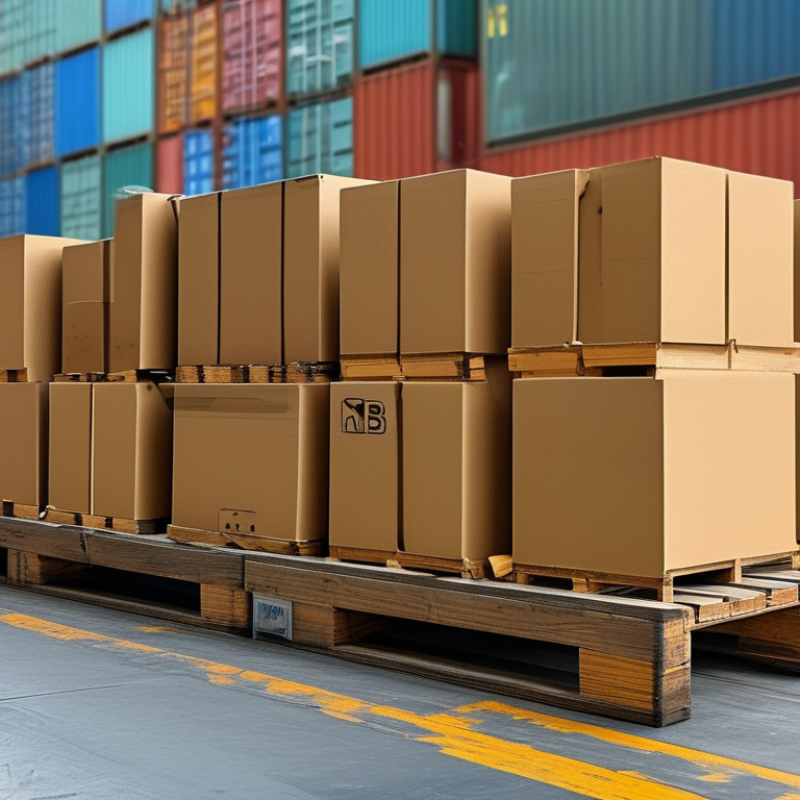
Definition of Custom Size Slip Sheets
Custom size slip sheets are innovative alternatives to traditional pallets. They provide efficient support for product loads during storage and transportation. Unlike standard slip sheets, custom sizes cater specifically to unique load dimensions. This flexibility optimizes space and improves logistical efficiency.
These sheets are typically made from durable materials such as plastic or cardboard. They are designed to fit snugly under products, allowing for easier handling. Custom sizes enable businesses to reduce material waste and save costs on packaging. The precise fit can also enhance stability during transit, minimizing the risk of damage.
However, relying on custom size slip sheets comes with considerations. It's essential to accurately measure the load and assess material needs. A slip sheet that is too small can cause instability, while one that is excessively large might not optimize space. Businesses must weigh these factors to ensure they make the right choice for their logistical operations.
Advantages of Using Custom Size Slip Sheets
Custom size slip sheets offer a versatile alternative to traditional pallets. They are typically made from durable materials. This helps reduce costs associated with shipping and storage. Many businesses find that slip sheets take up less space. This translates to more efficient use of warehouse capacity.
One significant advantage of custom size slip sheets is weight reduction. They are much lighter than wooden pallets. This weight reduction can lead to lower shipping costs and reduced fuel consumption. Furthermore, these sheets can be designed to fit specific products, ensuring a snug fit. This minimizes movement during transit, which protects goods from damage.
Another benefit is the streamlined handling process. Slip sheets can be used with specialized forklifts or pallet jacks. This allows for easier maneuvering in tight spaces. However, not all workers may be familiar with this equipment. Training may be necessary to maximize efficiency. This highlights the need for careful planning when implementing slip sheets into existing operations.
Advantages of Using Custom Size Slip Sheets
Applications for Custom Size Slip Sheets in Various Industries
Custom size slip sheets have become vital in various industries due to their efficiency and adaptability. They offer significant advantages, particularly in the transportation and warehousing sectors. According to a 2022 report by the International Warehouse Logistics Association, around 80% of companies using slip sheets have seen a reduction in shipping costs. This highlights their importance in optimizing space and improving load stability.
In the retail sector, customized slip sheets facilitate better inventory management. They help in streamlining the loading and unloading processes. A study by the Material Handling Industry of America noted that the use of slip sheets could reduce loading times by up to 30%. Effective use of slip sheets also minimizes damage during transport, as their design allows for secure stacking of goods.
Custom size slip sheets are even impactful in the manufacturing industry. They support various sizes and weights of products, catering to different manufacturing needs. However, it is essential to understand their limitations. Not every product benefits from slip sheets, and improper application can lead to inefficiencies. Each industry must evaluate its specific requirements before implementing this solution. Embracing innovation in slip sheet design can bring substantial operational benefits but requires careful consideration of product specifications.
Materials Used in Manufacturing Custom Size Slip Sheets
Custom size slip sheets are gaining popularity in various industries. Their effectiveness often hinges on the materials used for manufacturing. Understanding these materials can help you make informed decisions.
Standard slip sheets are typically made from plastics or paper-based materials. Plastic slip sheets are durable and resistant to moisture, making them ideal for transporting goods in humid environments. On the other hand, paper-based slip sheets are more eco-friendly and can be recycled. However, they may not withstand heavy loads as effectively as their plastic counterparts. Choosing the right material depends on specific logistical needs.
It’s important to consider the cost-performance ratio as well. While plastic sheets may last longer, their initial cost is usually higher. Conversely, paper sheets are more affordable but might not be suitable for long-term storage. Sometimes, these options can conflict with sustainability goals. Making a choice requires careful reflection on the benefits and limitations of each material.
Guidelines for Choosing the Right Custom Size Slip Sheet
Choosing the right custom size slip sheet can significantly impact warehouse efficiency. A custom slip sheet's dimensions should match product packaging perfectly. This helps in optimizing space during storage and transportation. According to a report by the Material Handling Industry of America, using slip sheets can reduce packaging costs by 25% compared to traditional pallet systems.
When selecting a custom size slip sheet, consider the material. Different materials provide varying levels of durability and load-bearing capacity. For instance, plastic slip sheets offer moisture resistance, while paper-based options are biodegradable. The right choice depends on your product's weight and shipping conditions. Industry feedback reveals that 83% of businesses that switch to slip sheets report enhanced operational efficiency.
However, not all custom slip sheets perform equally. Some may fail under heavy loads or in humid conditions. It's crucial to test samples before full-scale implementation. Understand the specific needs of your operation. Engaging with suppliers who focus on manufacturing standards can guide you. Consider assessing potential risks associated with your choice to avoid costly mistakes later on.
What is Custom Size Slip Sheet and Why Choose It? - Guidelines for Choosing the Right Custom Size Slip Sheet
| Dimension (inches) | Material Type | Weight Capacity (lbs) | Common Applications | Advantages |
| 48 x 40 | Paperboard | 2,500 | Palletizing, Shipping | Cost-effective, Lightweight |
| 42 x 42 | Plastic | 3,000 | Food and Beverage, Electronics | Durable, Moisture-resistant |
| 48 x 30 | Cardboard | 1,800 | Retail Displays, Storage | Recyclable, Easy to handle |
| 36 x 36 | Composite | 2,200 | Warehouse, Logistics | High strength, Versatile |
