How to Choose Between Aluminum Tube and Steel Tube?
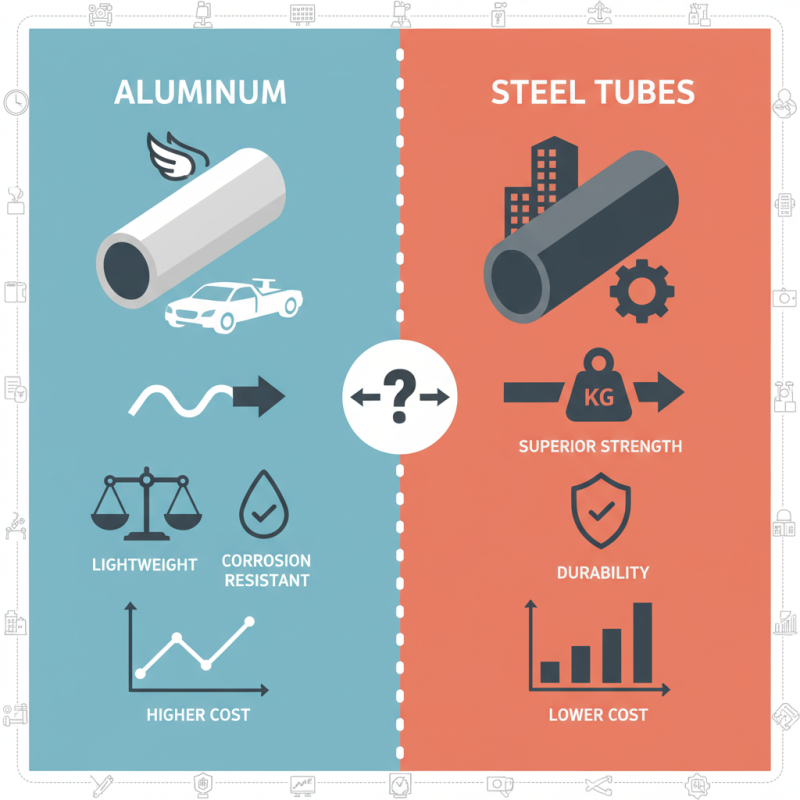
When deciding between aluminum tube and steel tube, several factors come into play. Both materials have unique properties that make them suitable for different applications. For instance, aluminum tubes are lightweight and resistant to corrosion, making them ideal for aerospace and automotive uses. On the other hand, steel tubes offer superior strength and durability, making them perfect for construction and heavy machinery.
However, each choice comes with trade-offs. Aluminum tube steel might not withstand high-pressure environments as effectively as steel. Additionally, the cost difference can influence your decision. Aluminum tends to be more expensive than steel, which could affect budget constraints for projects.
Understanding the specific requirements of your project is crucial. Will weight savings matter? Is strength the primary concern? These questions can guide your choice. Reflecting on these details, we can determine whether aluminum or steel is the right fit for your needs.
Factors Influencing Material Choice: Aluminum Tube vs. Steel Tube
When choosing between aluminum tube and steel tube, several factors come into play. Both types have unique properties that make them suitable for specific applications. Aluminum is known for its lightweight and corrosion resistance. In contrast, steel offers higher tensile strength and durability. However, the choice largely depends on the intended use.
Cost is another significant factor. According to industry reports, aluminum can be up to 30% more expensive than steel per pound. Yet, the long-term benefits of reduced maintenance and lower transportation costs can offset the initial investment. Additionally, aluminum’s recyclability makes it an environmentally friendly option. These factors are increasingly important in today’s sustainability-focused marketplace.
Manufacturing considerations also matter. Steel’s strength allows for thinner walls, which can save material and weight. But aluminum may allow for simpler fabrication processes due to its malleability. This often leads to reducing machining time and costs. However, not all projects can benefit from these properties. Sometimes, the choice is not as clear-cut, requiring deeper analysis and reflection on project requirements.
Mechanical Properties Comparison: Strength, Weight, and Flexibility
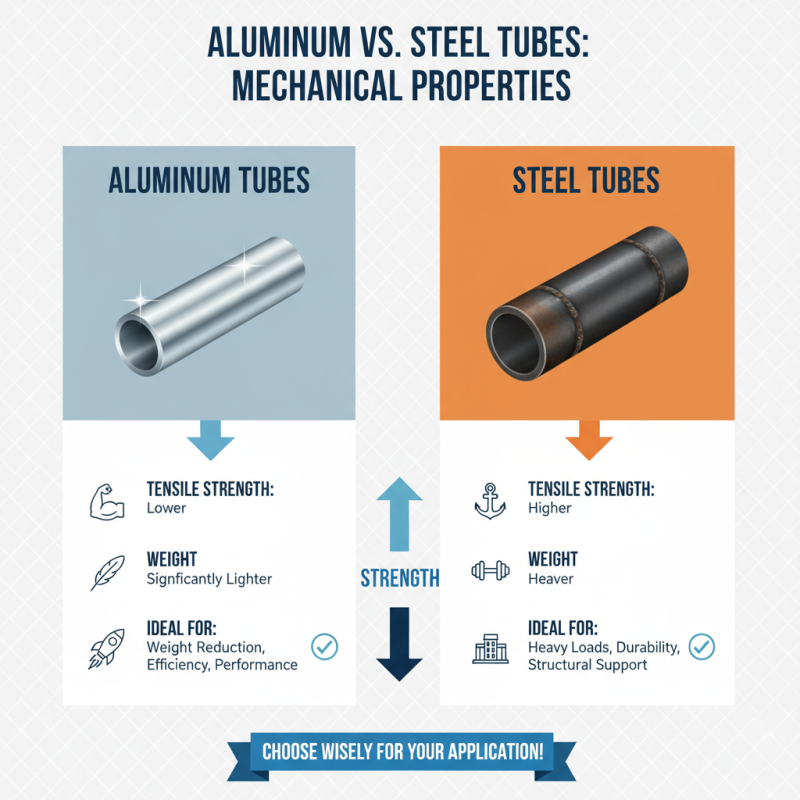
When choosing between aluminum and steel tubes, mechanical properties play a crucial role. Strength is one of the main factors. Steel tubes generally offer greater tensile strength than aluminum. This means they can withstand heavier loads. However, this also adds to the overall weight. Aluminum is lighter, making it ideal for applications where weight reduction is essential. A lighter material can improve efficiency, boosting performance.
Flexibility is another consideration. Aluminum tubes are more malleable, allowing for intricate shapes and designs. This flexibility can be useful in several engineering applications. Conversely, steel's rigidity offers advantages in stability and structural integrity. Engineers often face a tough choice. The right selection can significantly impact a project’s success. Time spent assessing these properties can save future complications.
Finding a balance between these factors is not always straightforward. The wrong choice may lead to failure in applications needing specific performance criteria. Understanding the environment in which the tubes will be used is critical. Each material has its advantages and challenges. Decisions should be made based on careful analysis and reflection.
Corrosion Resistance: Aluminum Tube vs. Steel Tube in Various Environments
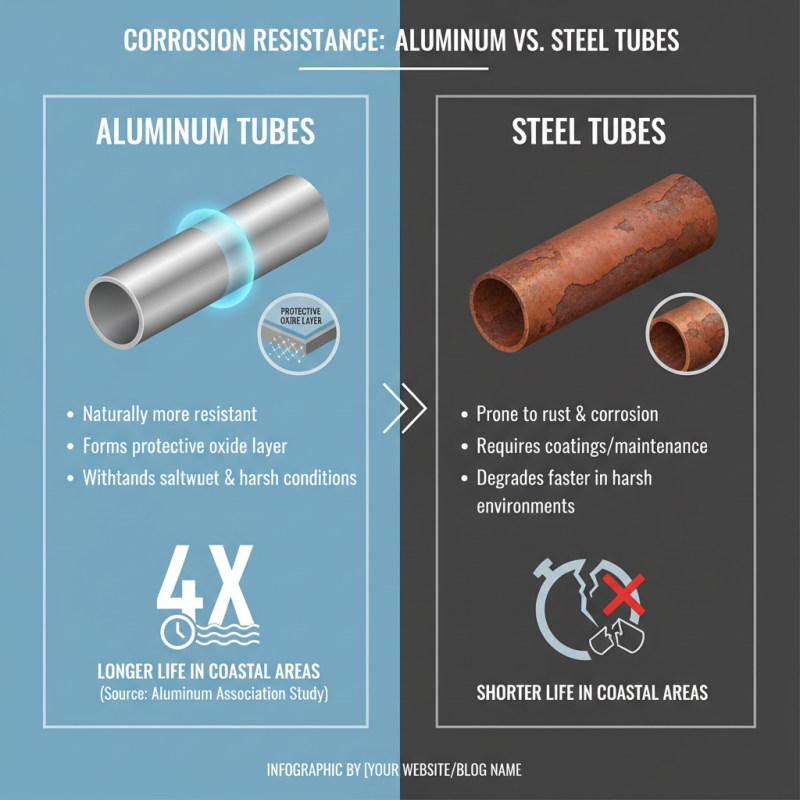
When considering corrosion resistance, aluminum and steel tubes present distinct advantages and drawbacks. Aluminum is naturally more resistant to corrosion due to the formation of a protective oxide layer. This layer helps prevent further degradation in various environments. According to a study by the Aluminum Association, aluminum can withstand exposure to harsh conditions like saltwater better than steel. In coastal areas, aluminum tubes show a life expectancy four times longer than their steel counterparts.
However, steel tubes can be treated to resist corrosion. Coatings like galvanization can enhance their durability. A report from the National Association of Corrosion Engineers notes that with proper treatment, steel can last decades in specific environments. Yet, this treatment isn’t foolproof; scratches or wear can expose the steel and lead to rust. Moreover, maintenance for steel tubes is often more intensive. Regular inspections are necessary, and costs can accumulate over time.
Ultimately, each material has its imperfections. Aluminum may corrode in alkaline environments, while treated steel can fail without diligent upkeep. Understanding these nuances is key in selecting the right material for each application, especially in demanding conditions.
Cost Analysis: Price Differences Over Raw Material and Production
Choosing between aluminum and steel tubes involves analyzing costs. Both materials have their own price points. Aluminum tends to be lighter, affecting shipping and handling costs. Steel, on the other hand, may have a lower price per pound but can lead to higher transport expenses.
Tip: Estimate the lifecycle costs. Consider where the material will be used. Is it subject to corrosion? Avoid unexpected expenses later on.
When examining raw material prices, aluminum often comes with a premium. This reflects its durability and resistance to rust. Steel, while cheaper, needs protective coatings if exposed. This can add to ongoing maintenance costs.
Tip: Look into local suppliers. Prices can vary by region. Bulk buying might reduce expenses, but it ties up cash flow.
Always remember to factor in future needs. A project may have tight budgets now but expand later. Choosing the right tube can influence long-term expenditures, so assess wisely.
Sustainable Considerations: Recyclability and Environmental Impact of Each Material
When considering aluminum and steel tubes, sustainability plays a crucial role. Both materials can be recycled, but their environmental impacts differ. Aluminum is lightweight, making it more energy-efficient in transportation. However, the extraction process can be energy-intensive. Steel, on the other hand, is abundant and can be recycled infinitely without losing quality. The production of steel often involves higher emissions, which poses environmental risks.
Tips: Always check the recyclability of the tubes. Research local recycling capabilities. This can significantly affect your decision.
Another aspect to reflect on is the life cycle of each material. Aluminum has a lower carbon footprint in the long run. Yet, producing new aluminum requires substantial energy. Steel, while less energy-intensive after recycling, can contribute to pollution during its production phase. Consider your project's needs. Will the lighter weight of aluminum benefit transportation? Or does the durability of steel take precedence?
Tips: Evaluate your project’s requirements carefully. Don’t overlook the importance of sourcing. Make sustainable choices whenever possible.