Top Tips for Choosing Aluminum Electrical Components?
Choosing the right aluminum electrical components is crucial for both safety and efficiency. Recent industry reports show that aluminum electrical wiring can reduce costs by up to 30% compared to copper. This advantage, however, requires careful selection and installation.
Aluminum electrical components are lightweight and resistant to corrosion. This makes them ideal for various applications, including automotive and construction industries. However, improper use can lead to issues like galvanic corrosion and joint failures. Proper understanding and handling of these materials are essential for optimal performance.
When selecting aluminum electrical components, consider factors like conductivity and thermal expansion. Studies indicate that a mismatch between components can lead to reduced efficiency. The complexity of these interactions highlights that not all products are created equal. Careful reflection on these aspects will guide you to make informed choices.
Understanding Aluminum as a Material for Electrical Components
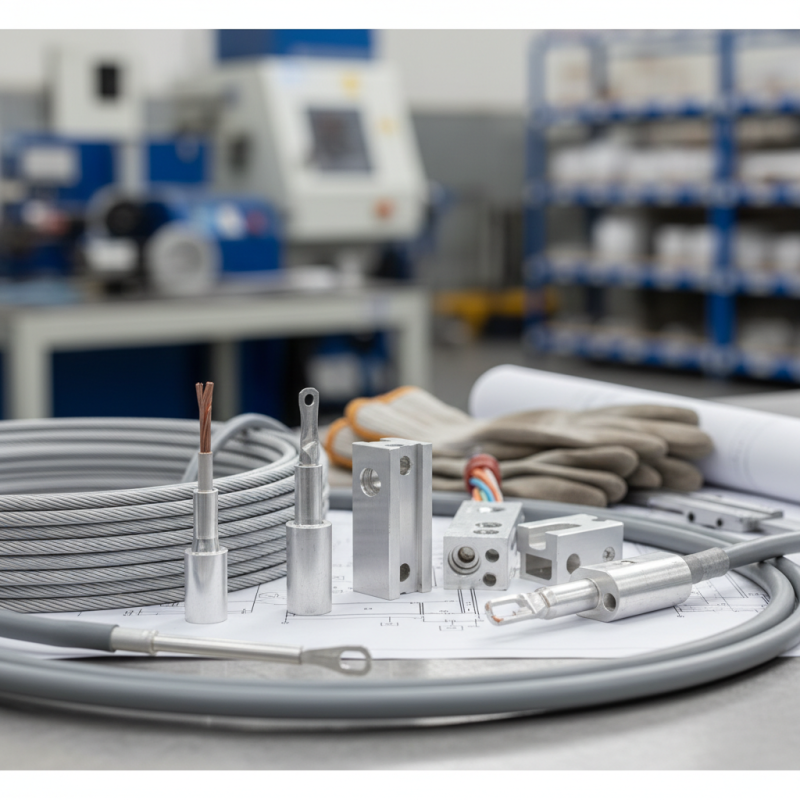
Aluminum is increasingly favored for electrical components. Its lightweight nature makes installation easier. Furthermore, aluminum boasts excellent conductivity, being about 60% as conductive as copper. According to a report from the International Electrotechnical Commission, aluminum can reduce production costs by 30% when used in electrical applications.
Corrosion resistance is another crucial factor. Aluminum develops a protective oxide layer, which can extend the component's lifespan. However, it is essential to consider that this oxide layer can create challenges in connections. Some reports indicate that improper contact surfaces lead to about 20% of electrical failures. This emphasizes the need for careful compatibility assessments.
When considering aluminum, thermal conductivity also matters. While it has lower thermal conductivity than some metals, it still performs adequately in many settings. The ability to dissipate heat can affect overall efficiency. Companies must analyze specific use cases. In many instances, an aluminum component may not perform well under extreme conditions. Therefore, evaluating the application thoroughly is vital for successful implementations in electrical systems.
Top Tips for Choosing Aluminum Electrical Components
This chart illustrates the advantages of using aluminum as a material in electrical components, based on various attributes such as weight, corrosion resistance, conductivity, and cost-effectiveness.
Evaluating Electrical Conductivity and Performance of Aluminum
When evaluating aluminum electrical components, conductivity is a key factor. Aluminum has about 61% of the conductivity of copper. This means it needs a larger gauge to achieve the same performance. When calculating wire size, remember that more material can increase overall weight, which may not always be ideal.
Performance in various environments is another crucial aspect. Aluminum oxidizes easily, which can impact its conductivity. An oxide layer forms quickly, creating a barrier. However, this layer can also protect against corrosion. It's vital to assess the operating conditions, as high humidity or salt exposure can accelerate degradation.
Analyses indicate that aluminum connections may require additional maintenance. Regular inspections help ensure that performance remains consistent. If connections corrode, it can lead to heat generation and even failures. Balancing conductivity, performance, and maintenance needs will guide your choice effectively. Always acknowledge these factors during selection.
Top Tips for Choosing Aluminum Electrical Components - Evaluating Electrical Conductivity and Performance of Aluminum
| Component Type |
Electrical Conductivity (S/m) |
Tensile Strength (MPa) |
Operating Temperature (°C) |
Corrosion Resistance |
| Aluminum Wire |
35.5 |
200 |
-20 to 80 |
Moderate |
| Aluminum Connectors |
34.5 |
150 |
-40 to 90 |
High |
| Aluminum Busbars |
37.0 |
300 |
-30 to 85 |
Moderate |
| Aluminum Contacts |
38.0 |
250 |
-20 to 100 |
High |
Assessing Cost-effectiveness of Aluminum Components
When evaluating the cost-effectiveness of aluminum electrical components, several factors need consideration. Aluminum offers a lower initial material cost compared to copper. Industry reports indicate that aluminum can be about 30% cheaper than copper in many applications. This immediate savings can be significant, especially for large projects. However, the price should not be the sole factor.
The lifespan and durability of aluminum components must also be assessed. While aluminum is lightweight and resistant to corrosion, it conducts electricity less efficiently than copper. This can lead to energy losses over time. Reports show that the resistance in aluminum connections can result in a 15% higher energy wastage, affecting long-term operational costs.
Furthermore, installation costs may vary. Aluminum components often require precise handling to prevent issues like oxidation. This can lead to higher labor costs, counterbalancing the initial savings. Maintenance requirements also play a role. If aluminum components frequently need attention, the overall cost might increase. Thus, while the initial expense appears favorable, a detailed analysis is crucial. Users should reflect on both short-term benefits and long-term implications before making a choice.
Examining Durability and Environmental Resistance of Aluminum
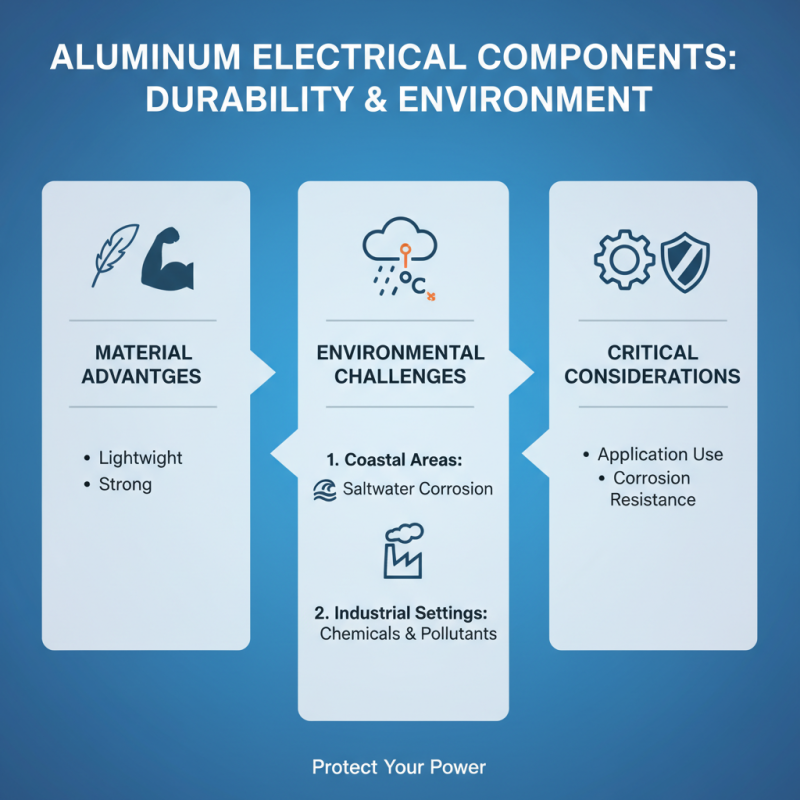
When choosing aluminum electrical components, durability and environmental resistance are critical factors. Aluminum is lightweight and strong, making it a popular choice. However, exposure to harsh environments can lead to corrosion. Consider how the component will be used. Components in coastal areas may face saltwater corrosion. Those in industrial settings might encounter chemicals and pollutants.
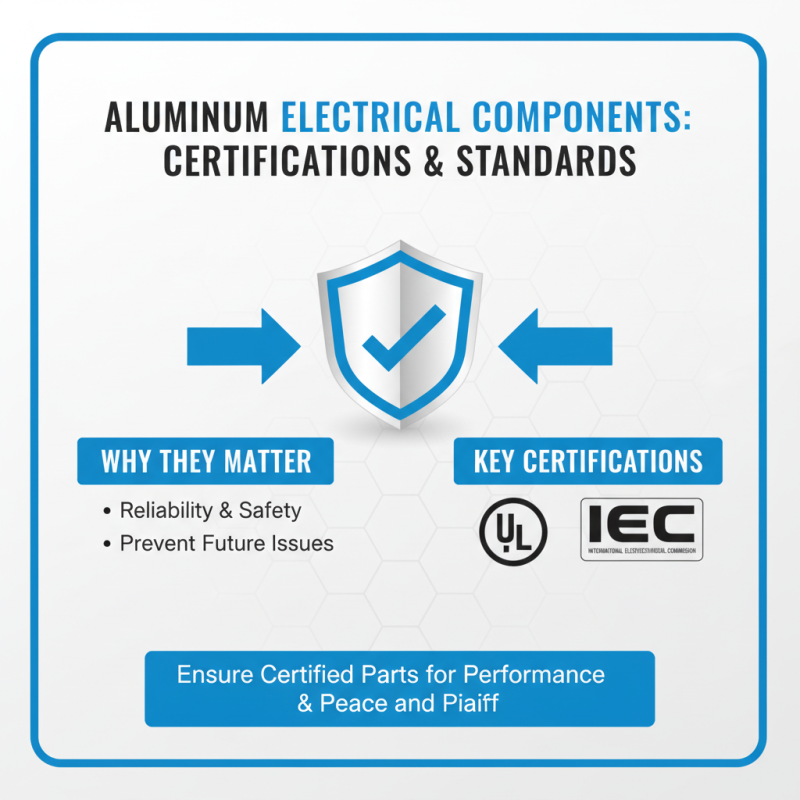
Environmental resistance can be improved with coatings, but this adds complexity. A good coating can protect against moisture and oxidation. Yet, not all coatings are created equal. Some may fail under certain conditions. Testing each component for its specific environment is wise. Look for certifications that indicate reliability and resilience.
Another aspect to reflect on is the sourcing of aluminum. Ethical sourcing can affect the overall durability of the component. Sustainable practices tend to yield higher quality materials. In turn, this can influence the lifespan of the parts. It’s essential to weigh these factors carefully. They play a pivotal role in ensuring long-term performance.