Why Choose Junction Cabinet for Your Electrical Needs?
The Junction Cabinet stands out as a pivotal solution for electrical needs in various sectors. With a growing emphasis on safety and efficiency, recent industry reports suggest that over 70% of electrical failures stem from improper installations. Junction Cabinets mitigate these risks, ensuring secure and organized electrical connections.
Moreover, the global market for junction cabinets is projected to reach $2 billion by 2025, reflecting their increasing reliance in commercial and industrial projects. These cabinets not only optimize space but also enhance accessibility for maintenance. However, choosing the right Junction Cabinet can be challenging. It is essential to consider factors like environment and load specifications to ensure reliability.
In an era of rapid technological advancement, the demand for durable and effective electrical solutions is higher than ever. Junction Cabinets don't just serve a functional role; they are a commitment to safety and performance. Investing wisely in these solutions remains crucial for long-term operational success.
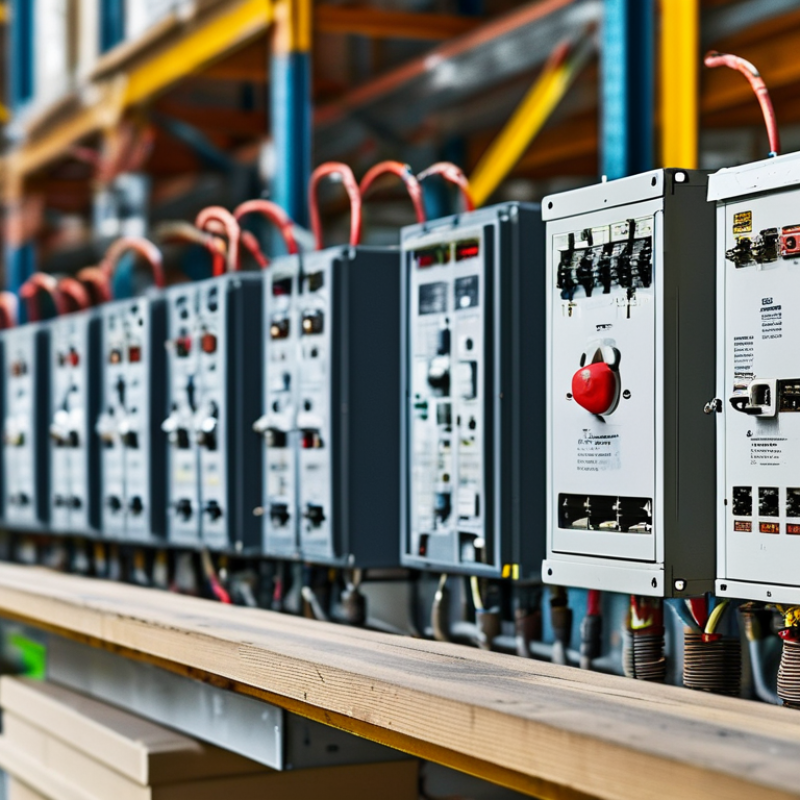
Benefits of Using Junction Cabinets in Electrical Installations
When it comes to electrical installations, junction cabinets play a vital role in safety and efficiency. They serve as a central point for managing electrical connections. According to a report by the National Electrical Manufacturers Association (NEMA), proper use of junction cabinets can improve installation times by up to 30%. This efficiency is essential in both residential and commercial projects.
Junction cabinets also enhance safety measures. They protect wires and connections from environmental damage. In fact, a study by the International Electrotechnical Commission (IEC) states that using high-quality junction cabinets can reduce electrical hazards by 25%. While these cabinets seem straightforward, poorly designed models can lead to increased fire risks. Choosing reliable and well-designed cabinets is crucial.
Additionally, junction cabinets offer flexibility in design. They can accommodate various electrical configurations and adapt to changing requirements. However, improper installation or maintenance can lead to complications. It is essential to have knowledgeable professionals handle these installations. With the right approach, junction cabinets can provide significant advantages in any electrical system.
Key Features of Junction Cabinets for Electrical Applications
Junction cabinets are essential for electrical installations. They provide secure housing for various components, protecting them from environmental factors. These cabinets come in various sizes and materials, tailored to meet specific installation needs. Their robust design ensures longevity while maintaining functionality.
One key feature of junction cabinets is their versatility. They support numerous applications, from industrial settings to residential wiring. These cabinets often include multiple entry points for wires, allowing flexible configurations. Also, they can accommodate various mounting options, enhancing installation efficiency.
Another important aspect is their safety features. Many junction cabinets are designed with heat-resistant materials. This quality is crucial for areas where electrical hazards may arise. Additionally, proper labeling and organized layouts within the cabinet enhance user safety. Experimenting with different configurations can yield better results, leading to improved workflow and accessibility in electrical systems.
Comparison of Junction Cabinets with Other Electrical Solutions
When considering electrical solutions, junction cabinets stand out in various aspects. They provide a robust housing for electrical connections and devices, ensuring safety and efficiency. Unlike traditional electrical enclosures, junction cabinets are often designed with enhanced features. Their materials can withstand harsh conditions, making them suitable for industrial environments.
In contrast, other electrical solutions may lack the same durability. Some options might require frequent maintenance, which increases long-term costs. Junction cabinets, however, generally offer a more reliable solution with less upkeep. They can also accommodate larger components, allowing for greater flexibility in installations.
Still, it's important to evaluate specific needs before making a choice. Not every project requires the advanced features of a junction cabinet. Simple applications might benefit from basic electrical boxes. Assessing your unique situation can highlight the ideal solution for your electrical needs. In the end, the decision should be based on both immediate requirements and future scalability.
Why Choose Junction Cabinet for Your Electrical Needs? - Comparison of Junction Cabinets with Other Electrical Solutions
| Features | Junction Cabinet | Other Electrical Solutions |
| Cost Efficiency | High initial investment but long-term savings on maintenance | Lower initial cost but higher maintenance expenses |
| Durability | Designed for long-term use with robust materials | Varies greatly based on materials used |
| Installation Complexity | Moderate, may require professional installation | Generally easier and quicker to install |
| Versatility | Highly versatile for various electrical needs | Limited versatility, often serves a specific purpose |
| Safety Features | Enhanced safety features to protect against electrical hazards | Basic safety features, may not meet all standards |
| Space Optimization | Compact design allows for efficient use of space | May require more space due to less efficient design |
Installation and Maintenance Tips for Junction Cabinets
When it comes to installing junction cabinets, preparation is key. Start by ensuring that all electrical connections comply with local regulations. Verify that your workspace is free from moisture and clutter. A dry, organized area ensures safety during the installation. It’s wise to have a reliable multimeter on hand for testing connections. This will help confirm that everything is correctly wired before closing up the cabinet.
Maintenance of junction cabinets often goes overlooked. Regular inspections can identify potential issues early. Look for signs of wear or corrosion. Over time, connections may loosen, which can cause problems. Keep an eye on the seals and gaskets to prevent moisture ingress. Monthly checkups can save time and resources in the long run. Don't hesitate to reach out for expert advice if you're unsure about any repairs. It's essential to ensure your system operates safely and effectively.
Industry Standards and Compliance for Junction Cabinets Usage
When selecting junction cabinets for electrical systems, compliance with industry standards is crucial. These cabinets must meet specific regulations to ensure safety and functionality. The National Electrical Manufacturers Association (NEMA) outlines key standards for electrical enclosures. The latest NEMA reports indicate that up to 30% of electrical failures can be traced back to non-compliant enclosures. This statistic underscores the importance of choosing cabinets built to withstand environmental factors.
Proper installation and material choice are also fundamental. Junction cabinets must resist moisture, dust, and corrosion to maintain their integrity. Research shows that enclosures with an Ingress Protection (IP) rating of at least IP65 can significantly reduce maintenance costs. In fact, systems using compliant cabinets can see up to a 25% increase in operational efficiency over time. This provides both a financial and functional incentive for engineers and contractors to prioritize quality.
However, there are ongoing challenges in the industry. Not all manufacturers adhere strictly to standards, which can lead to inconsistencies. A substantial gap in awareness exists regarding the latest compliance requirements. Many technicians still rely on outdated information that could compromise safety. Addressing these gaps requires continued education and vigilance within the industry to foster a culture of compliance.
Electrical Junction Cabinets Usage Compliance Standards
This chart illustrates the compliance rates of various electrical standards for junction cabinets. The data represents the percentage of compliance across several standards including NEC, IEC, and UL. Understanding these metrics can help ensure the safety and reliability of junction cabinets in electrical installations.
