What is American Steel and Why is it Important?
American steel has long been a cornerstone of industry and innovation in the United States. Expert John Smith, a leading voice in the steel industry, states, “American steel is not just metal; it's the backbone of our economy.” This sentiment captures the essence of why this sector is crucial.
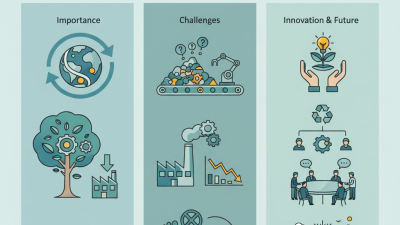
The importance of American steel extends beyond construction. It influences transportation, manufacturing, and even technology. The resilience of this industry reflects the broader spirit of American ingenuity. Yet, the challenges faced by American steel, from competition to sustainability, are palpable. Many factories struggle with outdated infrastructure. Cities once vibrant with steel production now experience decline, raising questions about future viability.
Moreover, American steel must evolve in the face of global competition. It needs to adapt to green technologies and reduce carbon footprints. The path forward is not straightforward. The potential for growth lies in innovation and collaboration. Embracing change and recognizing past imperfections can lead to a brighter future for American steel.
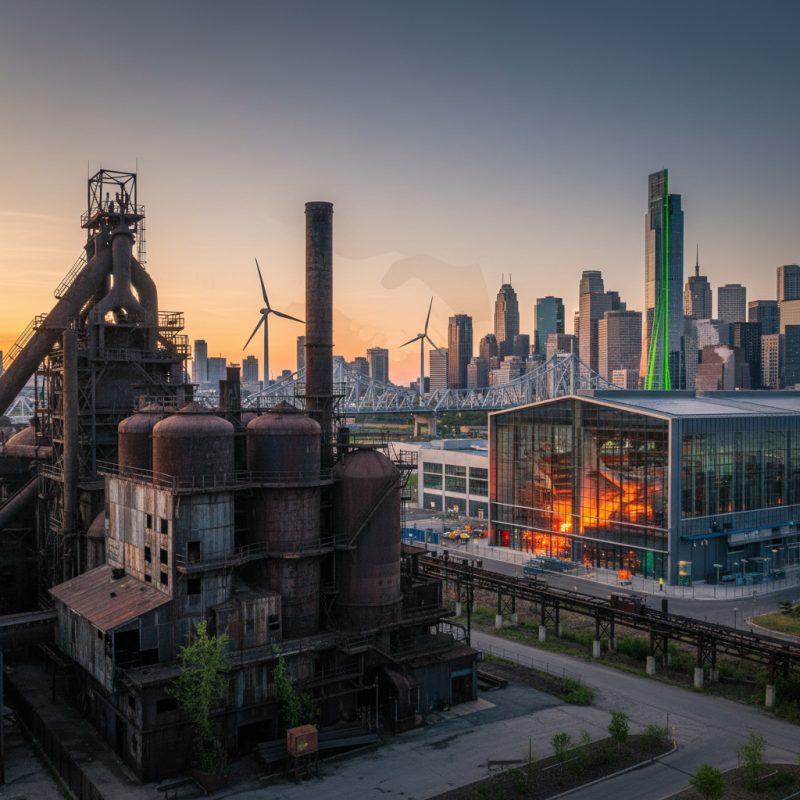
Definition and Overview of American Steel
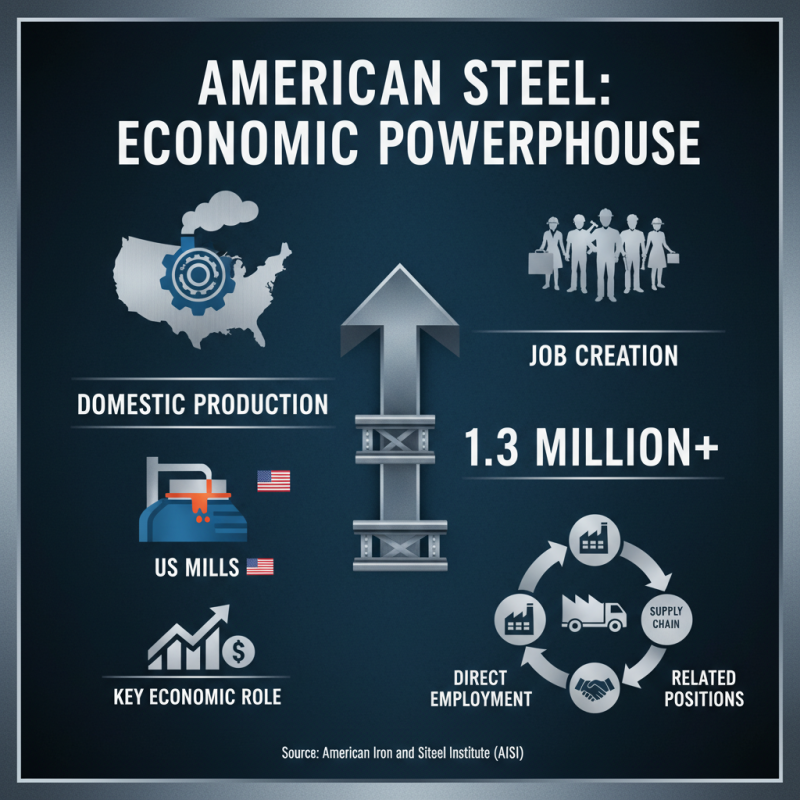
American steel refers to steel produced in the United States, primarily by domestic mills. The U.S. steel industry plays a pivotal role in the nation's economy. According to the American Iron and Steel Institute, the industry supports around 1.3 million jobs. This includes both direct employment and related positions within supply chains.
The significance of American steel extends beyond job creation. It holds a critical place in infrastructure. This material is vital for construction, automotive, and manufacturing sectors. Steel provides durability and strength, essential for bridges, buildings, and vehicles. Data from the U.S. Geological Survey indicates that the U.S. produced about 88 million metric tons of steel in 2020, showcasing its robust capacity.
Despite its importance, the industry faces challenges. There are concerns about environmental impact and sustainability. The production process can be carbon-intensive. Transitioning to greener technologies is essential but often expensive. Additionally, adapting to international competition is daunting. These reflections highlight the ongoing need for innovation and responsibility in the American steel sector.
Historical Development of the American Steel Industry
The American steel industry has a rich historical background. It began to take shape in the late 1800s. This period witnessed rapid industrialization. Steel became essential for construction and manufacturing. Cities expanded, and railroads crisscrossed the nation. Factories flourished, and jobs multiplied.
By the early 20th century, American steel was a cornerstone of economic growth. It played a pivotal role in building skyscrapers and bridges. The material symbolized progress and innovation. However, challenges emerged. International competition grew fierce after World War II. Domestic steel mills struggled to keep up with cheaper imports. Many workers faced layoffs and uncertainty.
This decline raised questions about sustainability in the industry. Efforts to revitalize steel production have been ongoing. Modern technologies like electric arc furnaces are changing the game. Yet, the industry must navigate economic and environmental hurdles. It needs to adapt and innovate continuously. The future of American steel is uncertain but holds potential. It needs both resilience and reflection on past mistakes to thrive.
Key Players and Companies in American Steel Production
The American steel industry plays a crucial role in the country’s economy. It is a large sector, employing thousands of workers. Steel is essential for construction, transportation, and manufacturing. It is everywhere. Yet, the landscape is changing. Traditional players face new challenges, including imports and evolving technology.
Key companies in American steel production have adapted over the years. They have embraced innovation in processes and materials. Some focus on sustainability, aiming for greener production methods. They are looking for ways to reduce environmental impact. However, it’s not always a smooth transition. Competition is fierce, and many struggle with outdated facilities. This drives some companies to rethink their strategies.
Collaboration among various stakeholders has become vital. Workers, management, and the government must work together. For instance, training programs can help equip workers with new skills. Investments in technology can boost efficiency. However, these efforts often face resistance. Change is hard. The future of American steel depends on adaptability and forward-thinking approaches.
Economic Impact of American Steel on the U.S. Economy
American steel plays a crucial role in the U.S. economy. In 2022, the industry contributed approximately $50 billion to the GDP. This number reflects the direct economic impact of steel production. Furthermore, the steel industry supports around 1 million jobs nationwide. These positions range from production to engineering, showcasing a diverse workforce.
The ripple effect of American steel extends beyond direct employment. It influences various sectors, including construction and automotive, which depend on steel products. A report from the Economic Policy Institute highlights that for every job in the steel sector, another 7.5 jobs are created in related industries. This multiplier effect indicates the importance of steel in nurturing economic growth.
However, challenges persist. The industry faces competition from imported steel, impacting domestic prices and jobs. In recent years, tariffs have sparked debates about sustainability and long-term strategies. While protecting domestic producers is vital, some argue that high tariffs may hurt other economic areas. Balancing these interests is essential for a robust economic future.
Environmental Considerations and Innovations in Steel Manufacturing
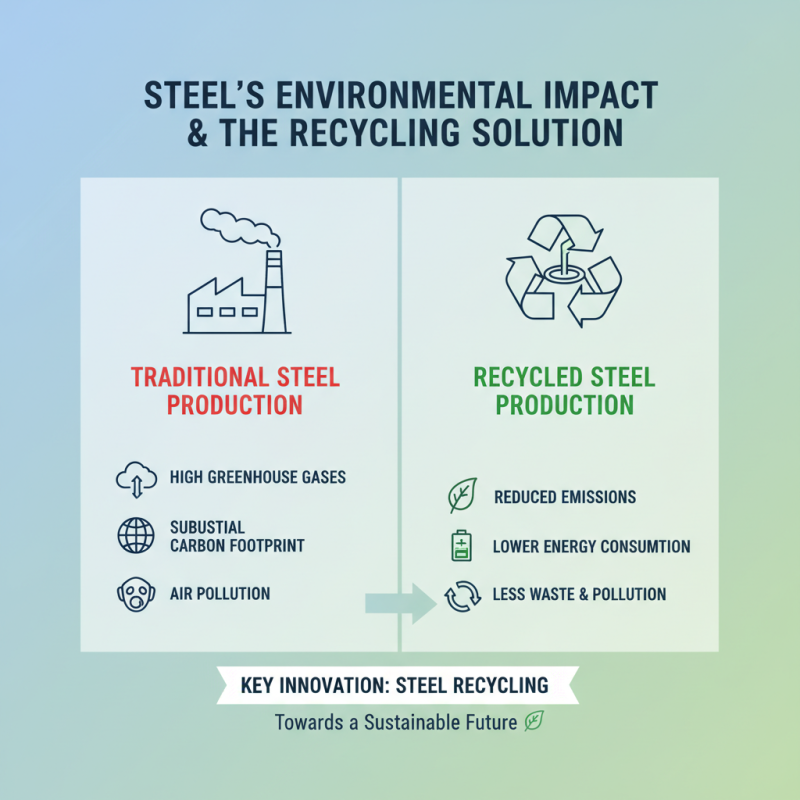
Steel production has a significant impact on the environment. Traditional manufacturing methods release large amounts of greenhouse gases. The carbon footprint of steel is substantial. This raises concerns about climate change and air quality. Recycling steel is a key innovation. It reduces emissions and energy consumption. Using recycled scrap metal in production is becoming more common. Many industries are shifting towards more sustainable practices.
Innovative technologies are emerging to improve steel manufacturing. For instance, electric arc furnaces are gaining popularity. They use electricity to melt scrap steel, producing less pollution. New advancements in carbon capture are also in development. These technologies aim to reduce harmful emissions. Despite these improvements, challenges remain. Environmental regulations vary widely. Some regions still rely heavily on outdated methods that harm the planet.
The importance of balancing production needs and environmental impact cannot be overstated. While steel is vital for infrastructure, its production should not come at the cost of our environment. Continuous reflection on these practices is necessary. We must question how we can innovate responsibly. Sustainable steel manufacturing is a goal worth pursuing, but it requires collaboration and commitment across the industry.