Best Aluminum Metal Uses and Benefits for Your Projects?
Aluminum metal is a versatile material with a wide array of applications. Its light weight and resistance to corrosion make it an ideal choice for various projects. From construction to automotive manufacturing, aluminum plays a crucial role.
This metal is easy to work with and can be molded into intricate shapes. Many industries rely on aluminum for its strength and durability. Yet, not everyone understands its full potential. Some may overlook the benefits it offers.
In this exploration of aluminum metal, we will dive into its uses and advantages. Exploring specific applications reveals how this metal transforms projects. Understanding these details can help maximize the efficiency of your work. The journey of discovering aluminum's value may inspire and challenge conventional thinking.
Aluminum: An Overview of Its Composition and Properties
Aluminum is a fascinating metal known for its lightweight and exceptional strength. Its composition mainly includes aluminum oxide, which adds to its durability. This metal is resistant to corrosion, making it a popular choice in various applications. It’s often used in construction, automotive, and aerospace sectors due to these properties.
The versatility of aluminum allows it to be easily molded and shaped. However, working with aluminum can present challenges.
It can be difficult to weld and may require special equipment. Additionally, while its strength-to-weight ratio is impressive, it might not be the best choice for every project. Proper planning and understanding of its properties are essential for optimal use. The right approach can lead to successful outcomes.
Aluminum also has environmental benefits. It is recyclable, reducing waste and energy consumption. However, the recycling process can be energy-intensive. Striking a balance between usage and environmental impact is key. Each project should consider how aluminum fits into broader sustainability goals.
Common Applications of Aluminum in Various Industries
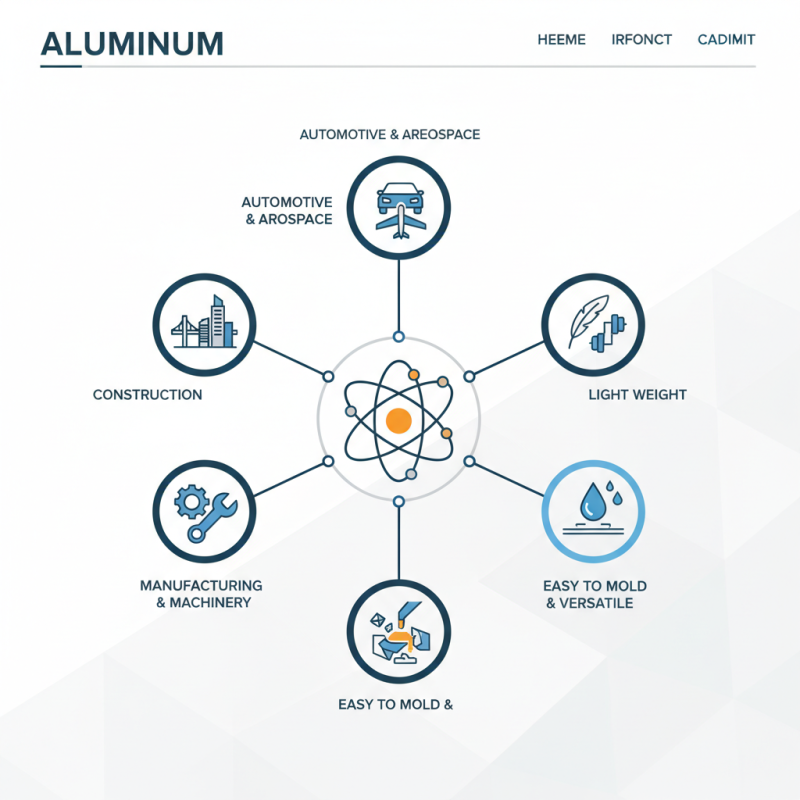
Aluminum is a versatile metal used in many industries today. From automotive to aerospace, its lightweight and durability make it an ideal choice. In the construction sector, aluminum serves as a strong structural element. Its resistance to corrosion extends the lifespan of buildings. Many architects appreciate its aesthetic appeal as well.
In the packaging industry, aluminum is favored for its barrier properties. It protects contents from moisture, light, and air. Beverage cans are a common example. They are lightweight, recyclable, and easily stackable, making them efficient for transportation.
**Tip:** When selecting aluminum for projects, consider its recycling capabilities. Using recycled aluminum can reduce energy consumption by nearly 95%.
Another area where aluminum shines is in electrical applications. This metal conducts electricity well, making it ideal for electrical wiring. However, caution is needed for high-current situations, as overheating can occur.
**Tip:** Always assess the specific requirements of your project. Not all aluminum grades are suitable for every application.
Best Aluminum Metal Uses and Benefits for Your Projects
| Application |
Industry |
Benefits |
| Construction |
Building & Infrastructure |
Lightweight, corrosion resistant, high strength |
| Transportation |
Automotive & Aerospace |
Fuel efficiency, reduced weight, recyclable |
| Electronics |
Consumer Goods |
Thermal conductivity, lightweight, design flexibility |
| Packaging |
Food & Beverage |
Recyclable, barrier properties, lightweight |
| Machinery |
Manufacturing |
Durability, corrosion resistance, ease of fabrication |
The Advantages of Using Aluminum in Construction Projects
Aluminum has gained traction in construction, thanks to its unique properties. One significant advantage is its lightweight nature. For instance, aluminum is about one-third the weight of steel. This reduction in weight can lower transportation costs and simplify the handling during construction.
Furthermore, aluminum exhibits superior corrosion resistance. According to a 2022 report by the Aluminum Association, aluminum's lifespan can reach up to 50 years when properly maintained. This long-lasting quality makes it an appealing choice for building facades and roofing systems. However, the initial costs can sometimes deter projects with tighter budgets.
Sustainability is another compelling factor. Aluminum is 100% recyclable, contributing to reduced environmental impact. A study found that recycling aluminum saves 90% of the energy needed for new production. Yet, challenges remain in ensuring a consistent supply of recycled material. As projects evolve, balancing costs, benefits, and sustainability will be crucial.
Sustainability and Recycling Benefits of Aluminum Materials
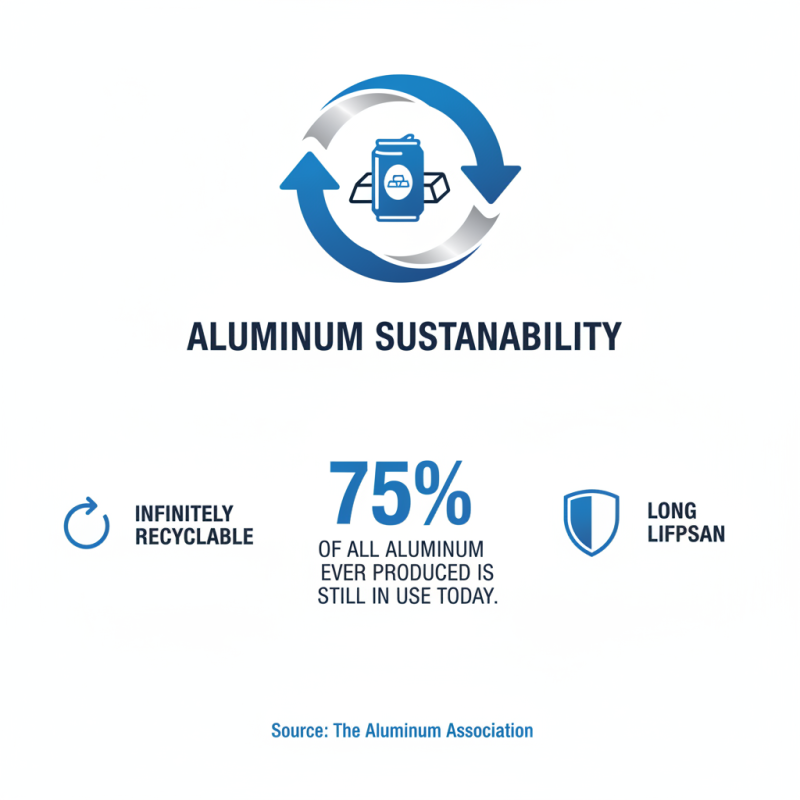
Aluminum is a versatile material that offers significant sustainability benefits. Its ability to be recycled infinitely is one of its strongest features. According to the Aluminum Association, 75% of all aluminum produced is still in use today. This statistic highlights its long lifespan and the efficiency of recycling processes.
Recycling aluminum requires only 5% of the energy used to produce new aluminum. This energy-saving aspect is crucial as it reduces greenhouse gas emissions. In fact, recycling aluminum saves 95% of the energy required to produce it from raw materials. This efficiency contributes to reducing the overall carbon footprint.
However, the recycling process is not without challenges. Contamination of scrap aluminum can complicate recycling efforts. Also, the equipment needed for recycling can be costly. Communities need to address these flaws to enhance the recycling system. The environmental benefits of aluminum can only be fully realized if these hurdles are overcome. More public education and investment in recycling infrastructure can help. This could lead to a more circular economy, with aluminum playing a crucial role.
Innovative Uses of Aluminum in Technology and Design
Aluminum, known for its versatility, plays a crucial role in various technological advancements. Recent data indicates that aluminum's conductivity makes it a preferred choice in electrical applications. In fact, the global aluminum market in electronics is projected to reach $24 billion by 2026. Its lightweight nature reduces energy consumption in transportation. This is notable, as the aerospace industry aims to cut down fuel costs significantly.
In design, aluminum's aesthetic appeal cannot be ignored. Its ability to be molded into intricate shapes allows for innovative architecture. Many structures now feature aluminum facades, blending style with function. According to a report from the International Aluminum Institute, about 75% of aluminum produced is still in use today, showcasing its durability and recyclability.
Tips: When choosing aluminum for projects, consider its alloy type. Different alloys offer distinct benefits. For instance, some are more resistant to corrosion. Test samples before final application can save time and costs. Additionally, evaluate the environmental impact. Aluminum recycling conserves 90% of energy compared to new production. Always reflect on the sustainability of your choices.
Also, aluminum does have limitations. Its heat susceptibility can affect its application in high-temperature environments. Understanding these factors is vital for making informed decisions.
Best Aluminum Metal Uses and Benefits for Your Projects