2026 Top Trends in Steel Supply Industry for Sustainable Growth?
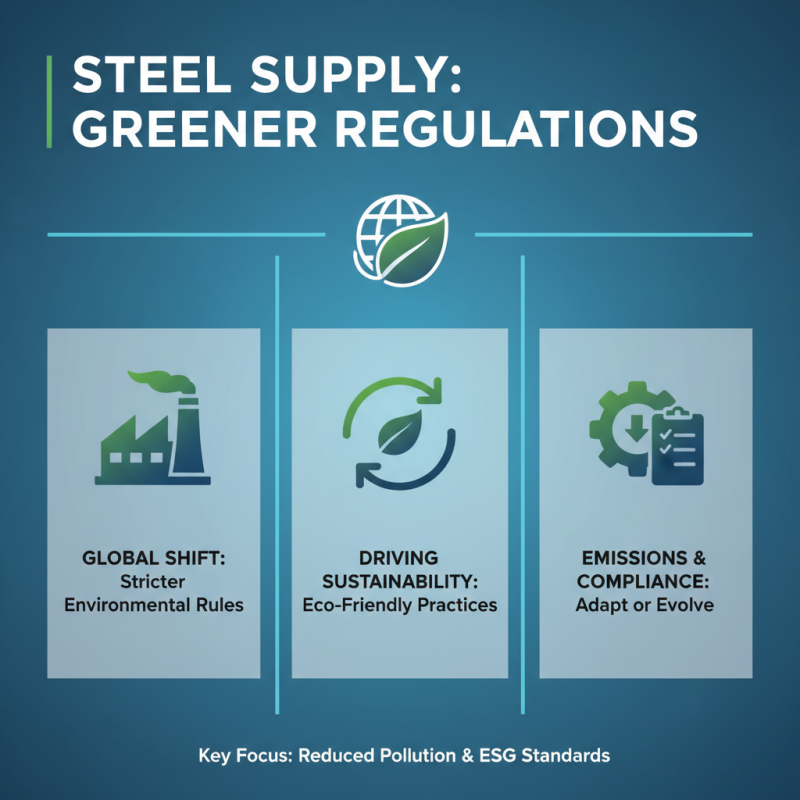
The steel supply industry is undergoing significant transformation. In 2026, we anticipate new trends that will shape sustainability efforts. Companies are now looking beyond profit margins. They aim for environmental responsibility and resource efficiency.
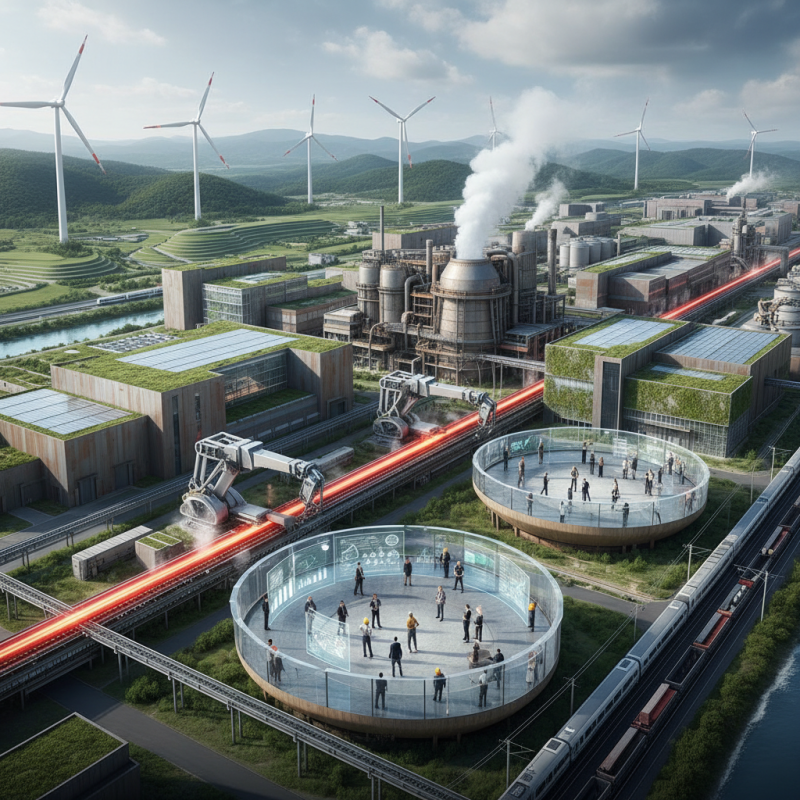
In this evolving landscape, innovation is vital. Renewable energy sources are becoming more integrated into steel production. This shift promotes a cleaner manufacturing process. However, challenges remain regarding technology adoption and cost management. Many companies struggle with high initial investments.
Furthermore, collaboration between stakeholders is crucial. Suppliers, manufacturers, and policymakers must work together for sustainable solutions. This collective effort can drive the industry forward. Embracing these trends in steel supply is essential for long-term viability. The future hinges on our ability to adapt and grow responsibly.
Emerging Sustainable Practices in Steel Production for 2026
The steel supply industry is entering a new phase in 2026. Emerging sustainable practices are reshaping production processes. Steelmakers are exploring alternative raw materials. For instance, using scrap metal reduces the need for virgin resources. Electric arc furnaces are gaining popularity, minimizing carbon emissions significantly.
Renewable energy sources are also becoming essential. Solar and wind power are increasingly used in steel production. However, this transition is not without challenges. Not all facilities can easily switch to these methods. Infrastructure investment can be substantial, posing hurdles for smaller players.
Additionally, companies are focusing on circular economy principles. Recycling old steel retains value and reduces waste. Yet, the demand for high-quality recycled steel can strain existing processes. This push for sustainability invites scrutiny on sourcing practices. The industry must genuinely examine its impact and strive for better alternatives.
2026 Top Trends in Steel Supply Industry for Sustainable Growth
| Trend |
Description |
Projected Impact |
Implementation Year |
| Circular Economy Practices |
Increased recycling and reuse of scrap metal to minimize waste. |
Reduction in raw material costs and environmental footprint. |
2026 |
| Low-Carbon Technologies |
Adoption of hydrogen-based processes to reduce carbon emissions. |
Significant decrease in greenhouse gas emissions. |
2026 |
| Digitalization |
Implementation of IoT and AI to optimize production efficiency. |
Enhanced operational productivity and reduced downtime. |
2026 |
| Sustainable Supply Chains |
Focus on sourcing materials from sustainable suppliers. |
Improved brand image and customer loyalty. |
2026 |
| Energy Efficiency Improvements |
Upgrades in technology to reduce energy consumption in production. |
Lower operational costs and compliance with regulations. |
2026 |
Adoption of Circular Economy Principles in Steel Supply Chains
The adoption of circular economy principles in steel supply chains is vital for sustainable growth. In recent studies, around 30% of steel production involves recycled materials. This trend reduces greenhouse gas emissions significantly. Transitioning to a circular economy means minimizing waste. It encourages the reuse and recycling of steel products at the end of their life cycle.
Tip: Implement a comprehensive recycling program. It can lead to cost savings and environmental benefits.
Embracing circularity can also enhance resource efficiency in steel manufacturing. A report revealed that using recycled steel can save up to 74% of energy compared to creating steel from ore. However, many companies still struggle with the logistics of recycling effectively. The challenge lies in integrating these practices seamlessly into existing supply chains.
Tip: Invest in technology to improve recycling processes. It could transform waste into valuable resources.
Adopting these principles also requires a cultural shift within organizations. Employees need training and motivation to embrace new processes. Resistance to change may slow down progress. Overall, integrating circular economy principles offers a pathway to a sustainable and resilient steel supply industry.
Technological Innovations Driving Efficiency in Steel Manufacturing
The steel supply industry is evolving rapidly, driven by technological innovations. These advancements are reshaping steel manufacturing processes. Automation is now commonplace. Robots assist with heavy lifting and precision tasks. This improves efficiency and safety in the workplace. It's essential to embrace these changes.
Tips: Consider investing in training programs for employees. Upskilling ensures everyone adapts to new technologies.
Additionally, artificial intelligence plays a critical role. AI analyzes data for better decision-making. Predictive maintenance reduces downtime. Machines learn from past performance. This approach minimizes costs and maximizes output. However, dependency on technology can be risky. Companies must strike a balance between tech and human expertise.
Tips: Regularly evaluate technology’s impact on productivity. Adjust strategies based on performance data.
Sustainability is another key focus. Eco-friendly methods are becoming standard practice. Recycled materials are now widely used. Yet, companies often face challenges in adopting these practices fully. They must navigate regulatory frameworks and market demands. The future of steel lies in innovation and sustainability. The journey may not be perfect, but the potential for growth is immense.
Consumer Demand Shifts Towards Eco-Friendly Steel Products
Consumer preferences are dramatically shifting towards eco-friendly steel products. This change is driven by a growing awareness of environmental issues. More consumers are seeking sustainable materials for construction and manufacturing. Steel, traditionally linked to high carbon emissions, faces scrutiny. Eco-conscious individuals demand transparency and sustainable sourcing.
Many steelmakers are responding to this demand. They are investing in green technologies. New methods aim to reduce the carbon footprint of steel production. However, some challenges remain. The transition to these eco-friendly practices can be slow and costly. Not all producers have the same access to sustainable resources or technologies. This disparity could hinder overall industry progress.
The competition is intensifying as companies adopt greener practices. But are they truly being sustainable? Some firms may engage in “greenwashing,” promoting their products as eco-friendly without making real changes. As consumers become savvier, they will likely question these claims. The industry must focus on genuine sustainability, not just marketing tactics. The future of steel supply depends on real commitments to environmental responsibility.
2026 Steel Supply Industry Trends: Shift to Eco-Friendly Products